Students at Georgia Tech College of Architecture use found plastic items such as bottles and hangers to create large installations in the Hinman Research Building.
Comments Off on Bottles and Hangers
Students at Georgia Tech College of Architecture use found plastic items such as bottles and hangers to create large installations in the Hinman Research Building.
Comments Off on Bottles and Hangers
Last week, Nader Tehrani was a speaker at the Smart City Expo World Congress 2011. This article at ChinaDaily.com summarizes some of the points raised and discussions started by the speakers.
Comments Off on Smart cities will reindustrialize urban areas
Hinman Research Building is a finalist for the Interior Design Magazine Best of Year Award 2011. See list of projects here.
Comments Off on Hinman Research Building is finalist for B.O.Y. award
Melbourne Uni’s architecture, building and planning facility (by John Wardle Architects and NADAAA), is included in a group of new projects planned for Melbourne, Australia that will create new design and technology centers in the city. Read the an article on these new buildings in The Age.
Comments Off on New research and design centers in Melbourne, Australia
Neil Gershenfeld (the Director of MIT’s Center for Bits and Atoms) meets with Nader Tehrani and Vicente Guallart in the Fab House 2 this week while at the Smart City Expo World Congress 2011 in Barcelona.
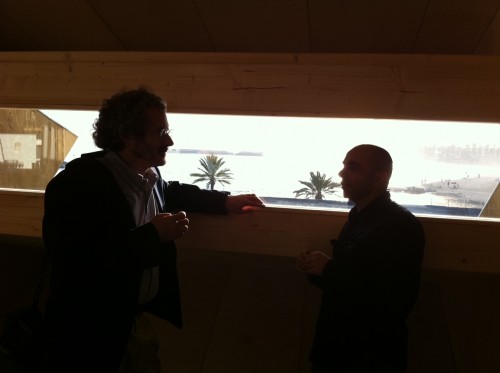
Comments Off on FabLab House Barcelona
Join the Pinkcomma Gallery on Friday, December 9, 6:00 – 10:00 pm for Command-P, the 2011 installment of the annual Design Nearby event.
LOCATION: 46 WALTHAM STREET, COURTYARD ONE
Design Nearby is an exhibition series for people who love design. The series showcases inventive craft and clever aesthetics, from graphics on a shirt to mobiles made of felt to woodblock wallpaper. Design Nearby highlights works in various disciplines, with a focus on Boston-area artists and designers. These works are available for purchase.
This year’s exhibit is entitled Command-P for the Macintosh keyboard shortcut that allows one to print the digital contents of their screen. Command-P explores the dichotomy between traditional and contemporary printing techniques. Each artist in this exhibit uses digital manipulation and classic printing methods in varying degrees to create their work. Whether manually screen-printed computer illustrations or die-cut letterpress prints, the pieces in this show represent the wide spectrum of work celebrating the art of printed matter.
Comments Off on COMMAND-P
I’ve always considered Robin Boyd (1919-1971) to be Melbourne’s version of a modernist hero.
This isn’t to say that I’ve necessarily idolised his work; but his role in public architectural discourse post-WWII has led to him being perhaps the best-known architectural figure for the Baby Boomer generation (along with Glenn Murcutt and Harry Seidler).
He worked across many scales and media; most widely known for his residential work (the national residential award is named after him) he also worked alongside contemporaries Frederick Romberg & Roy Grounds; presented design on television; and wrote an influential book, The Australian Ugliness that took to task the suburban aesthetic of Melbourne architecture.
Of particular interest is the work he did setting up the Small Homes Services while Director of the Royal Victorian Institute of Architects.He along with some other architects developed off the plan modernist designs for people to buy and build. The group invited architects to submit their own designs and curated those available to the public, Boyd presenting them in his articles in The Age Newspaper and selling the construction drawings.
(He also lectured at MIT for a couple of years in the late 50s).
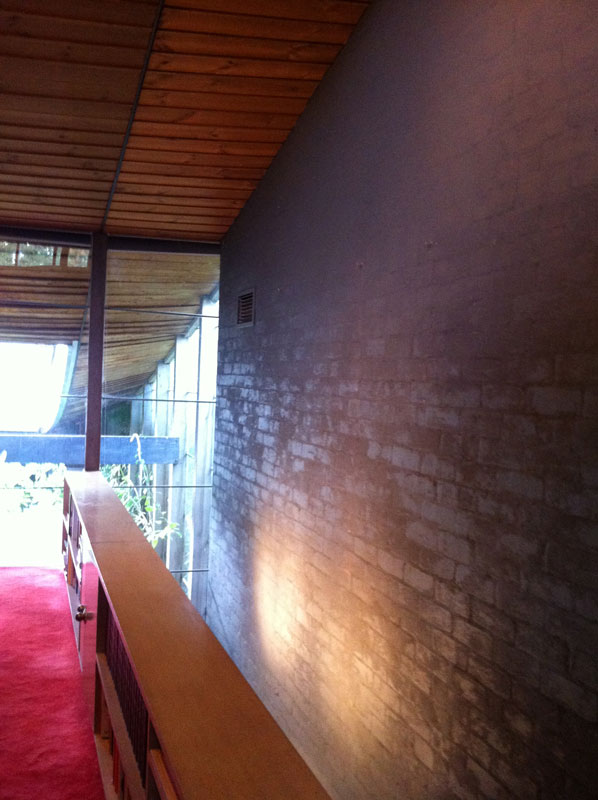
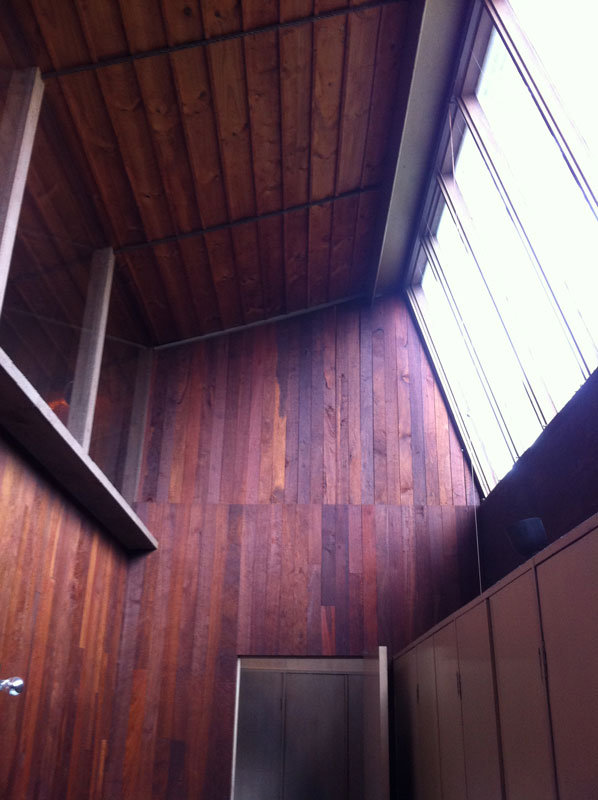
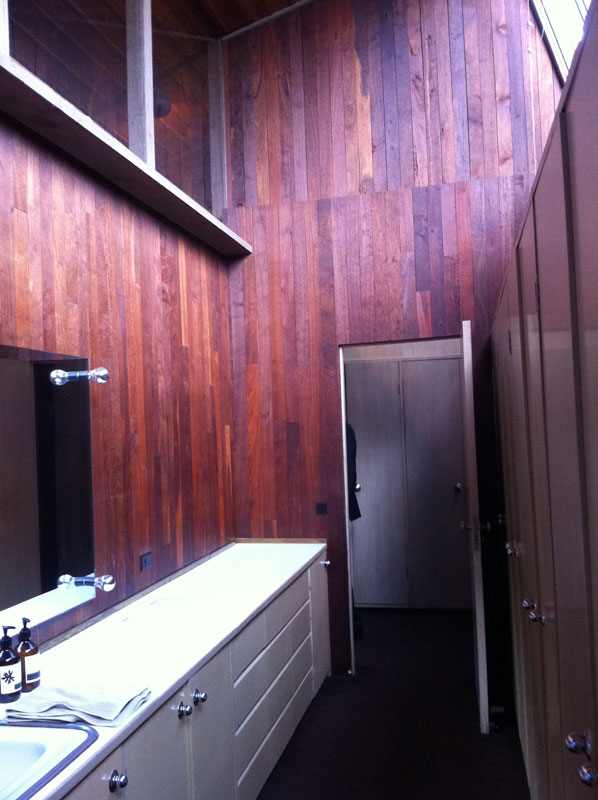
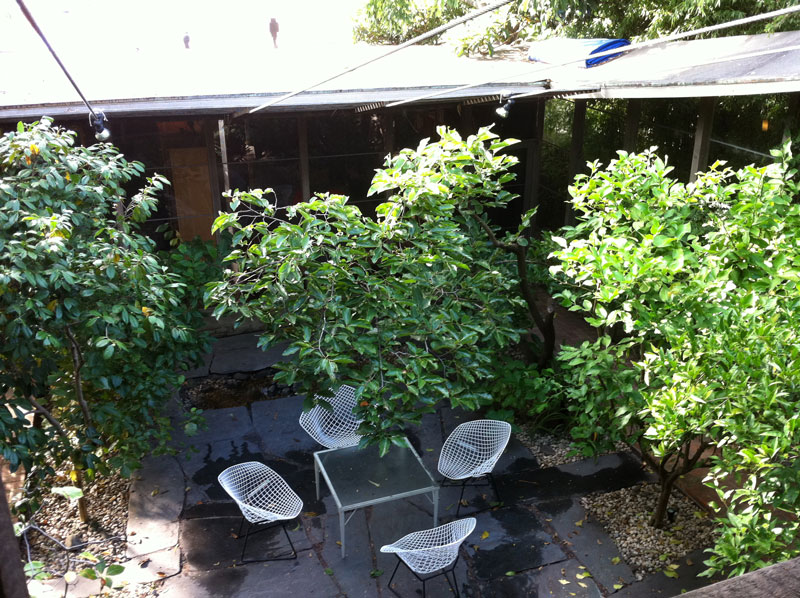
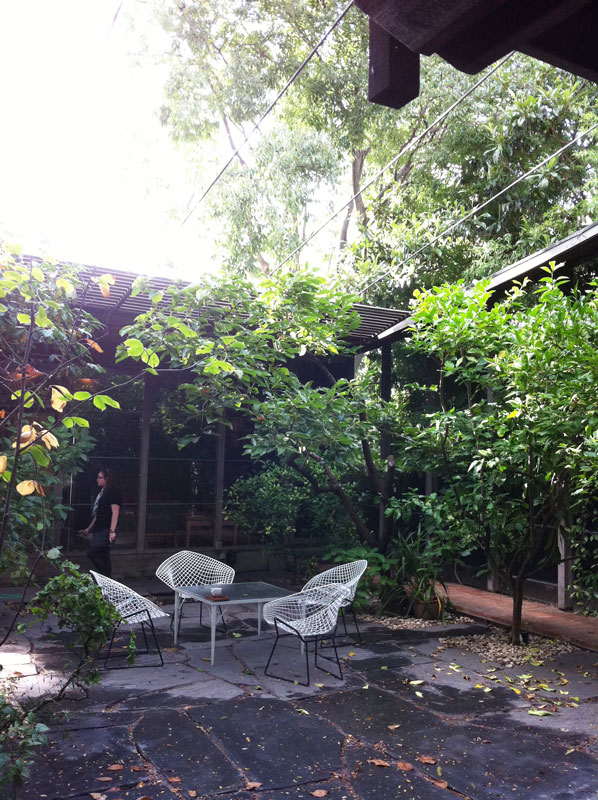
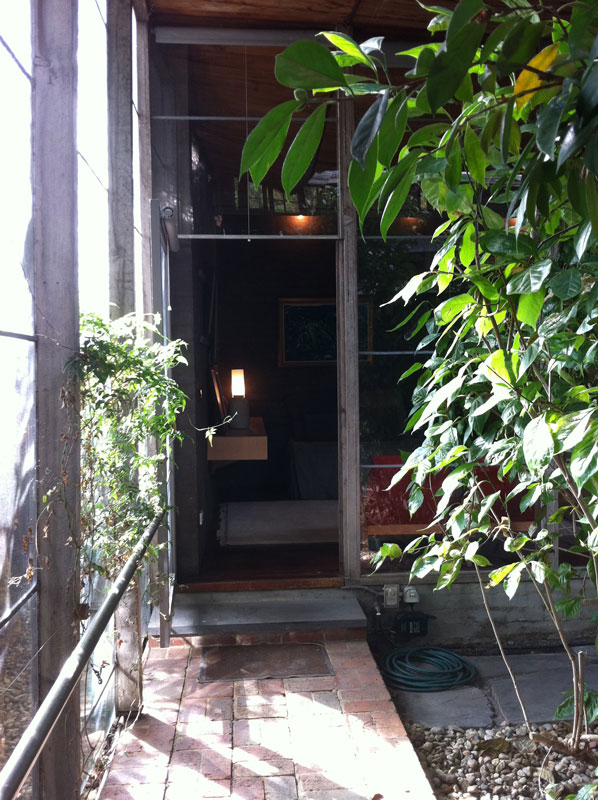
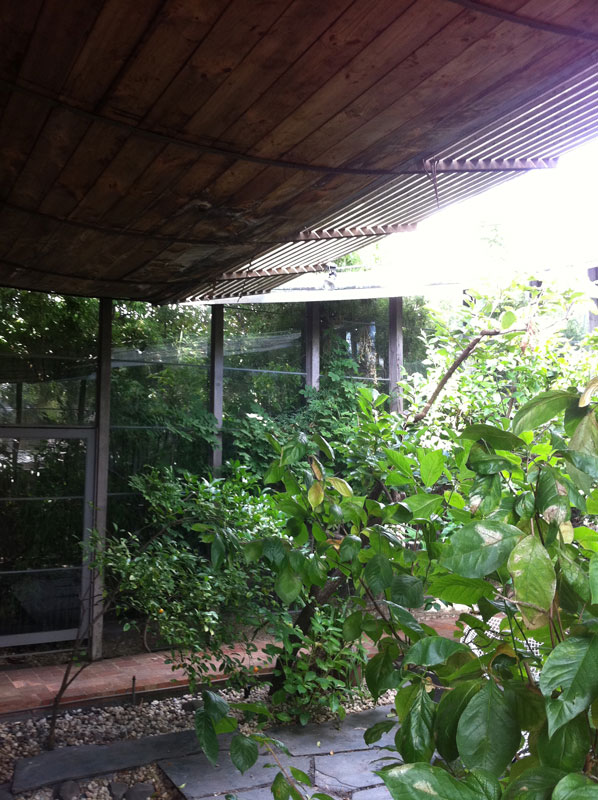
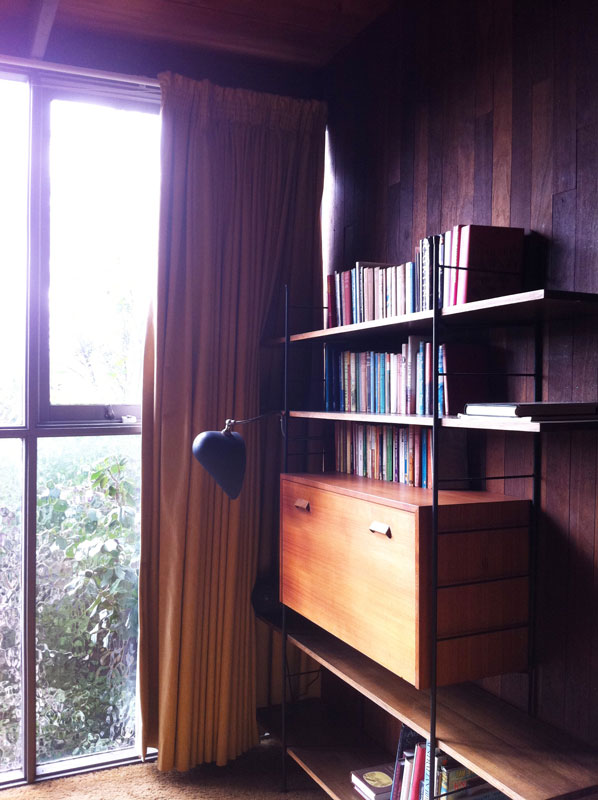
Walsh Street House
Images taken from this very excellent Flickr Pool and Nader Tehrani.
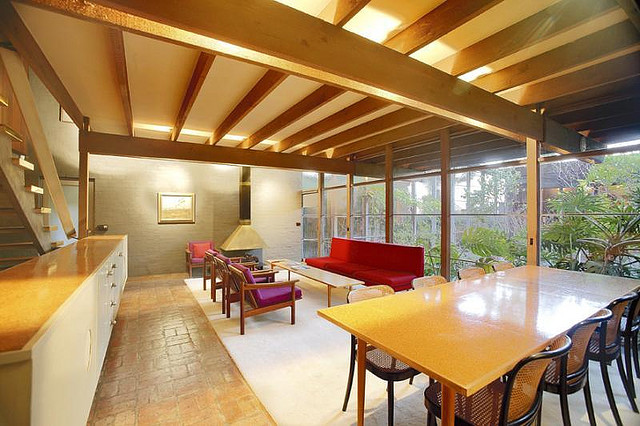
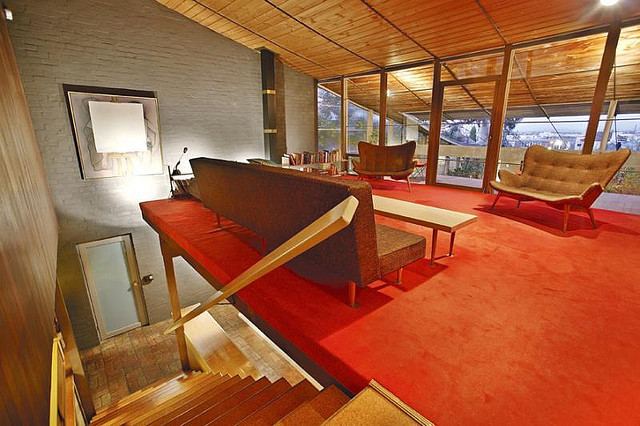
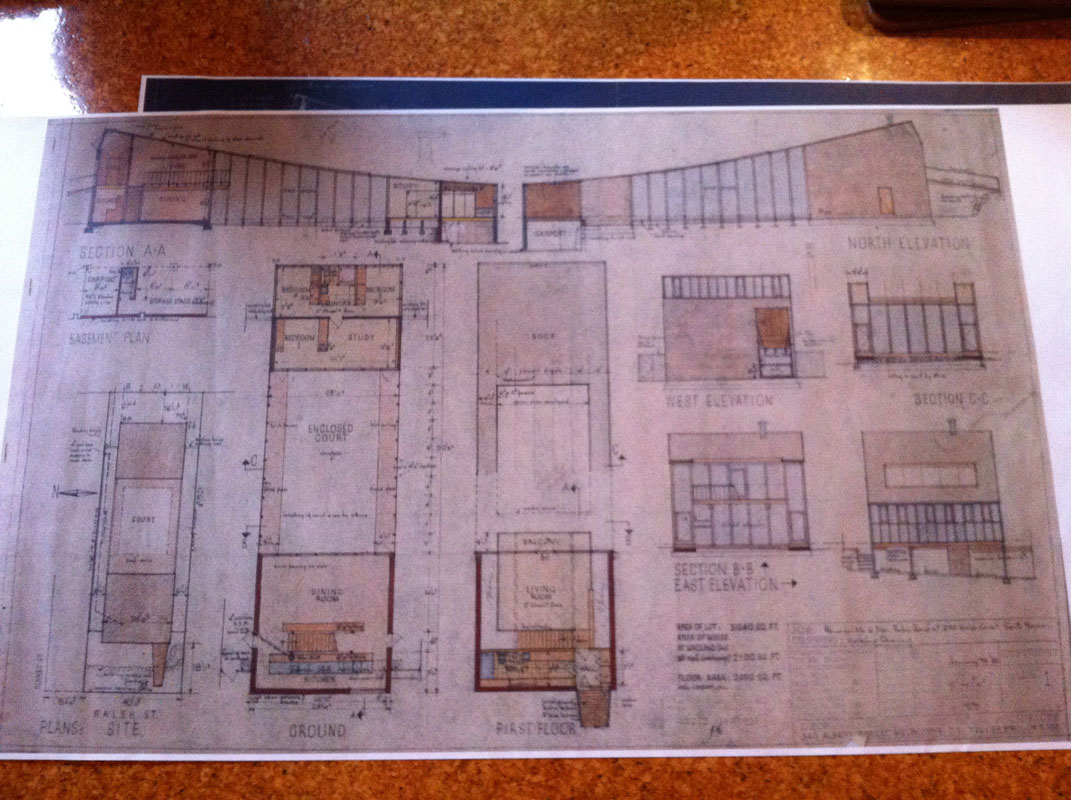

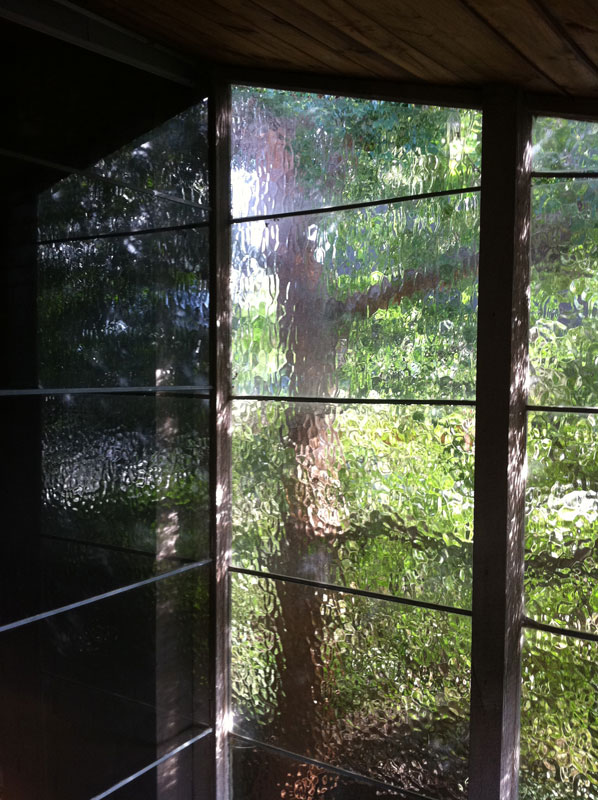
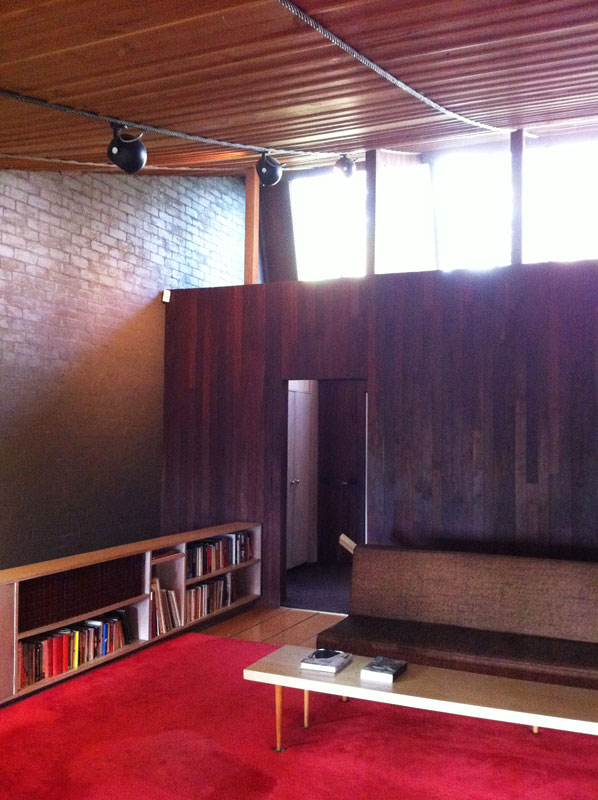
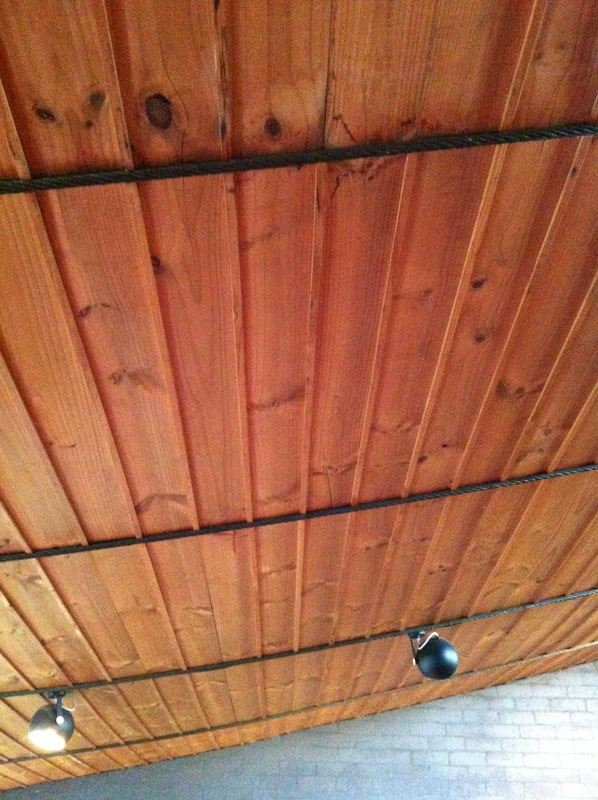
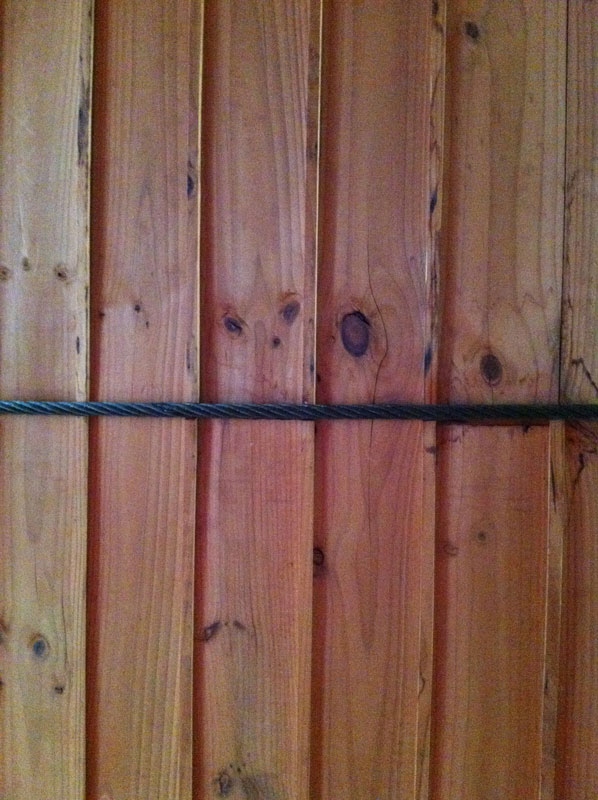
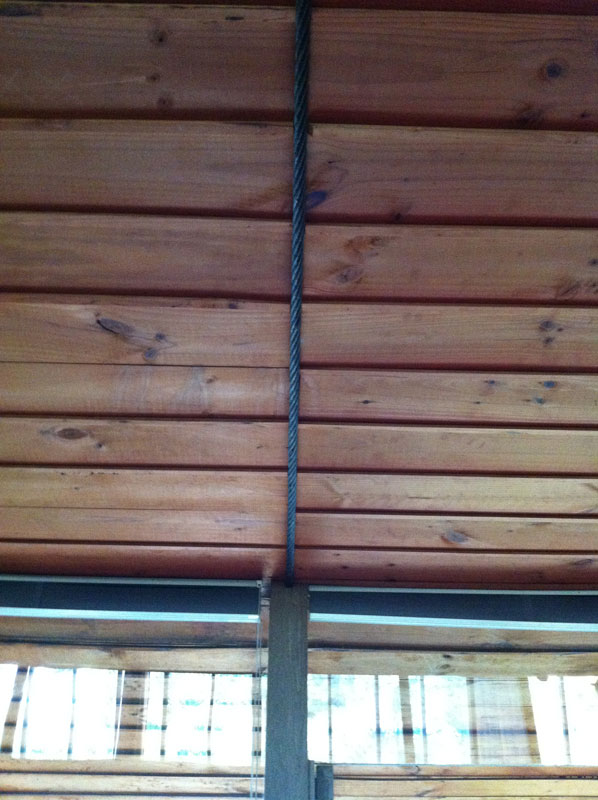
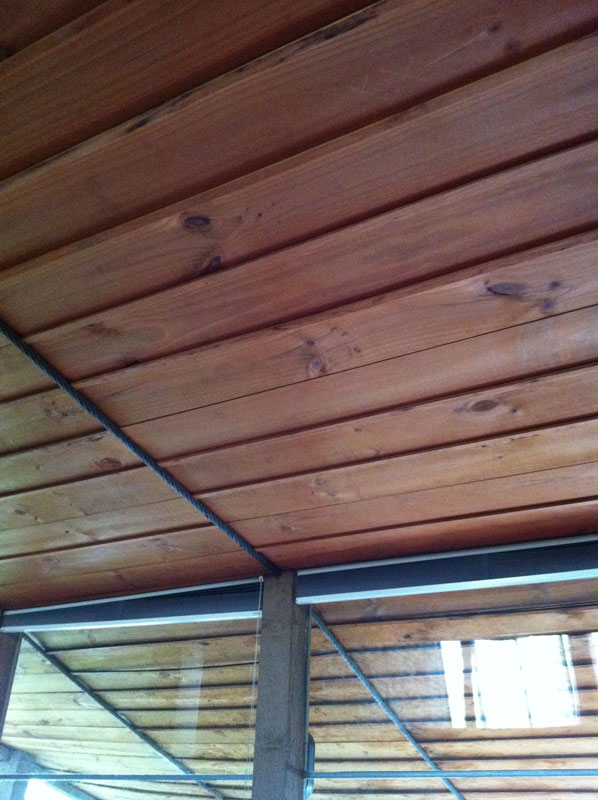
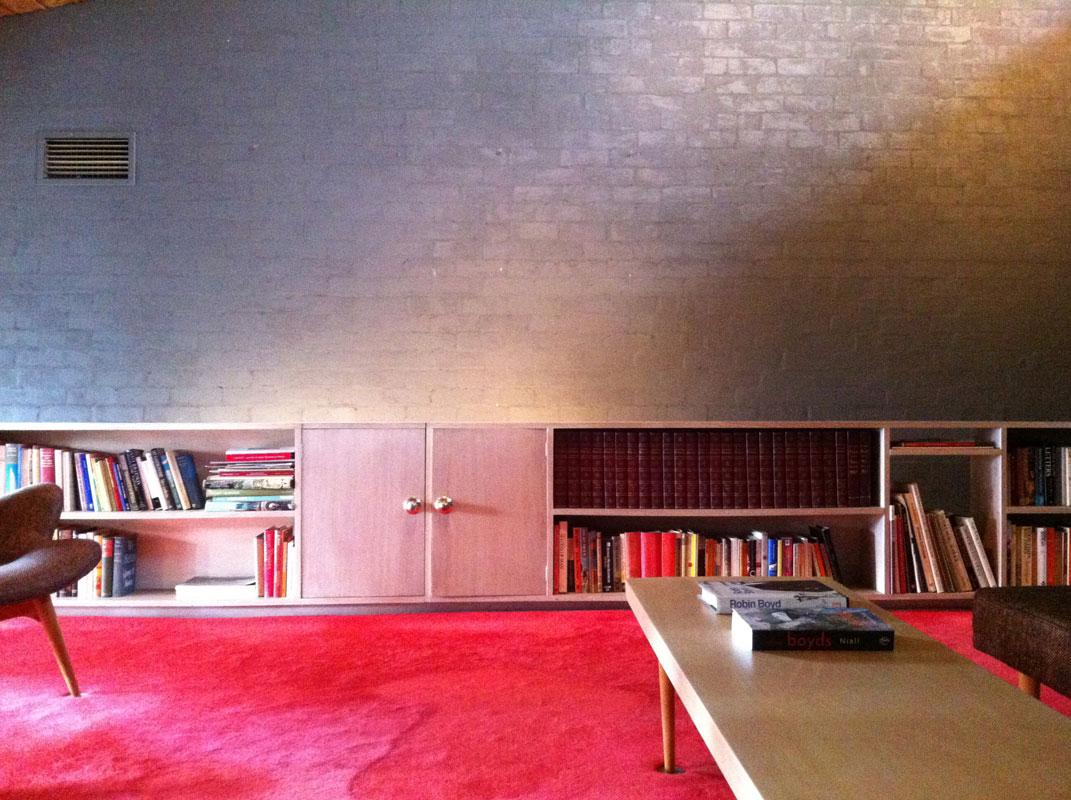
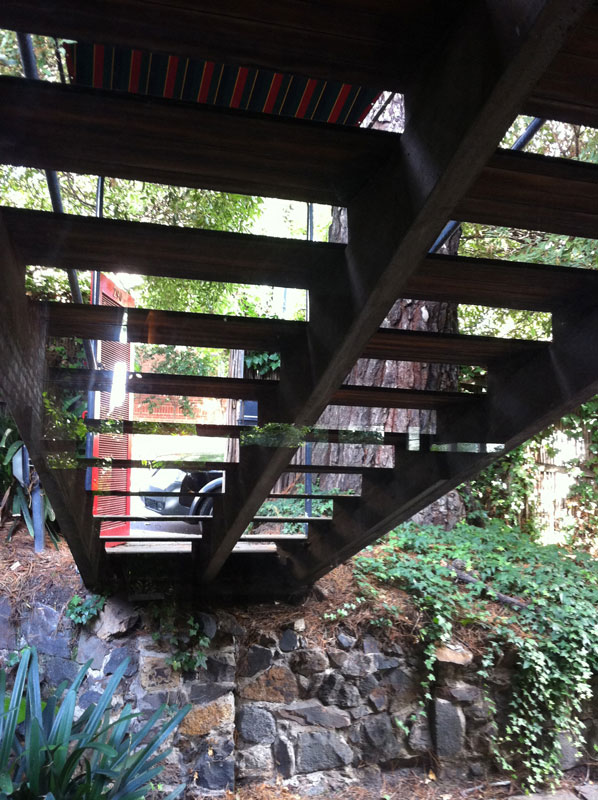

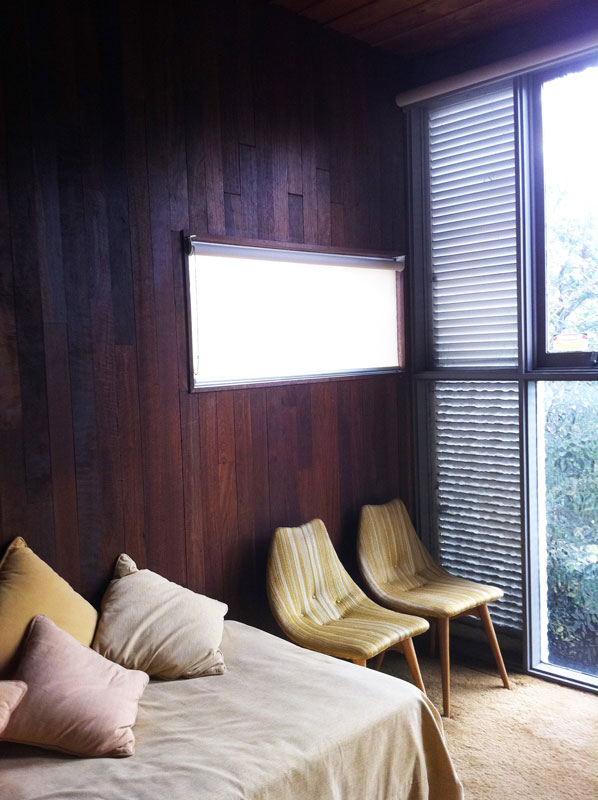
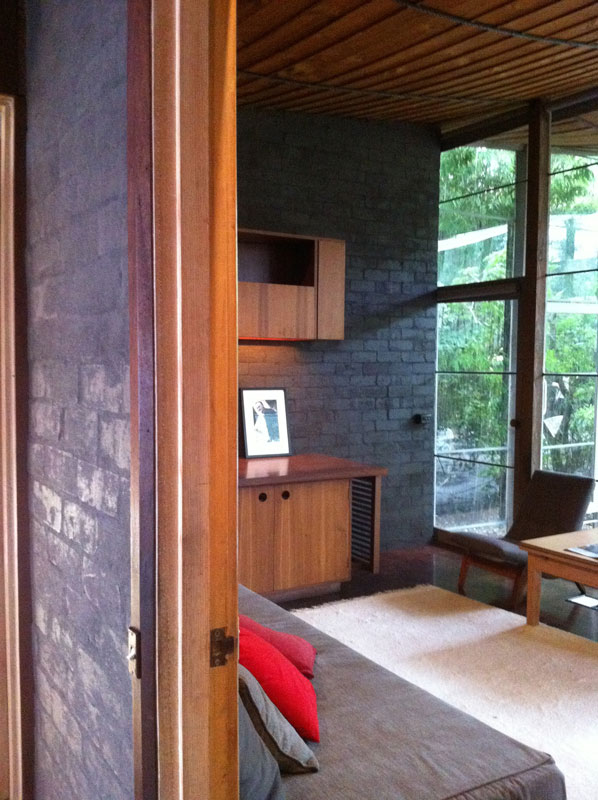
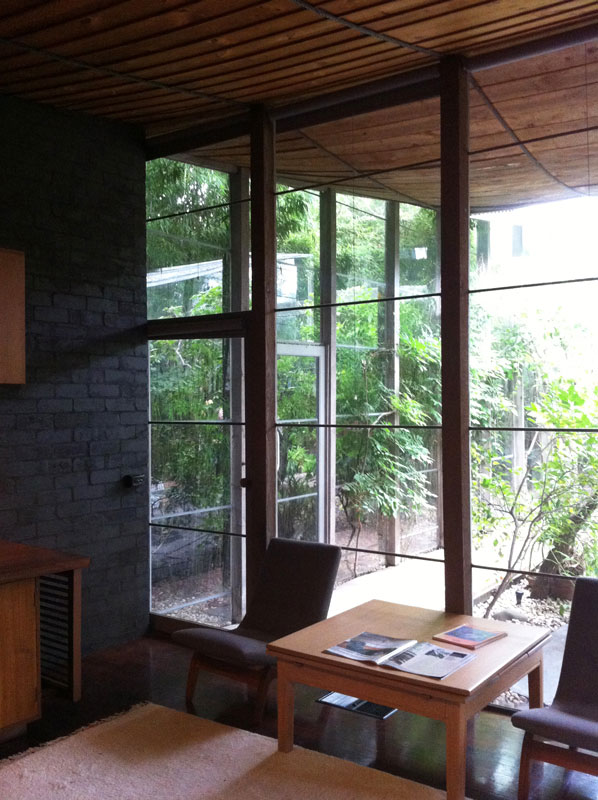
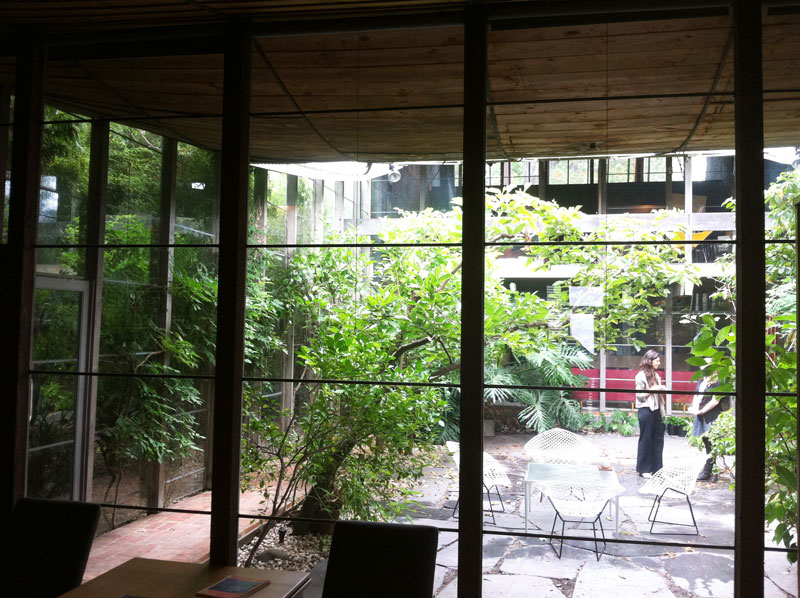
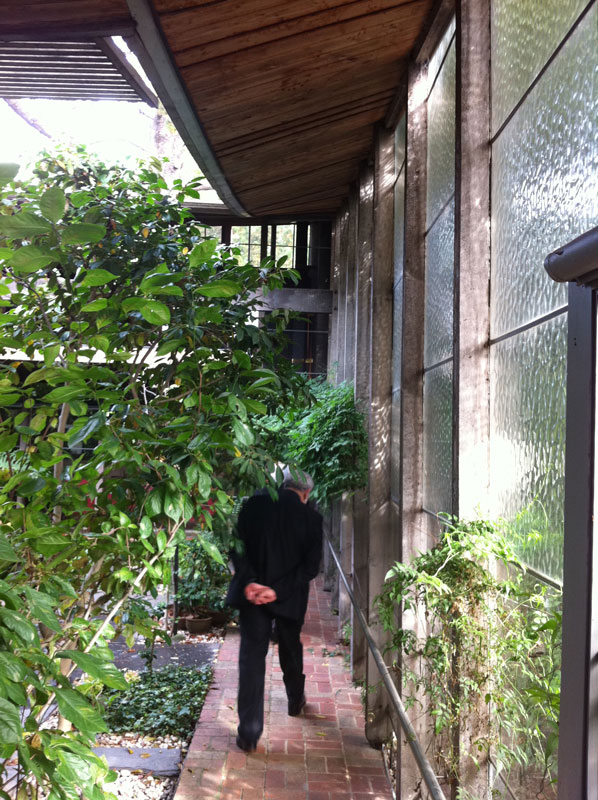
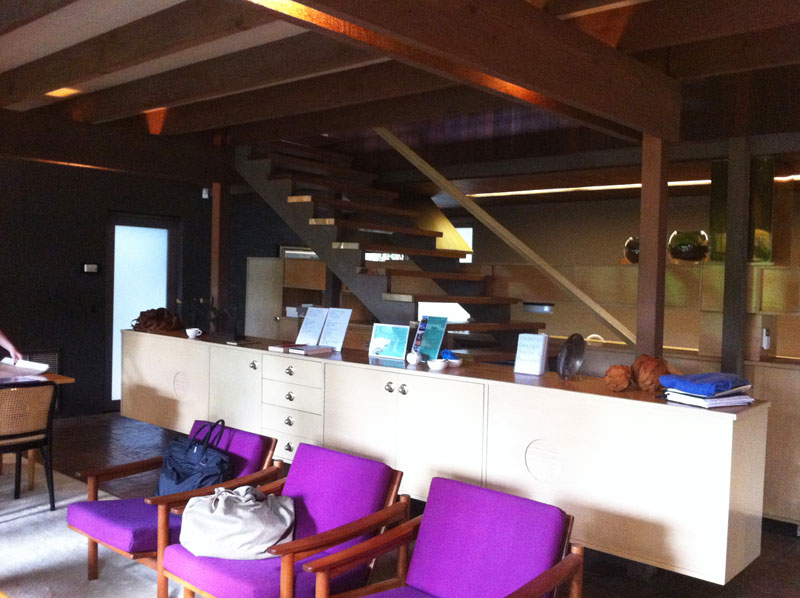
Comments Off on Robin Boyd


How do you reach a hard-to-reach place? Ropes, nets, buckets or trusses.
Comments Off on Accessibility, Redefined
“Whatever you’re doing, someone somewhere has probably done it and done it better.”
A quote that a naive undergraduate architecture student would probably hear once in his/her career in school, what is potent about this thought is NOT that one should just stop trying to design, or reinvent the wheel, or that a student’s work in design is futile. On the contrary, if digested from an objective position, this quote illustrates a thought which suggests that a part of a job of a designer is to observe the world intently–built and natural world alike. It suggests, that the world which we inhabit, built by people of different thoughts, backgrounds and ideologies has the ability to inform and influence our own thoughts, backgrounds and ideologies, despite the superficial differences. If taken beyond the literal meaning–can liberate a callow and amorphous mind of a young designer burdened with the desire to reinvent and stake out his/her creative individuality.
More importantly, this quote suggests that such intellectual and observational voracity can fuel true creativity…and ultimately, as designers, isn’t that what we are constantly in search for?
In the spirit of a highly networked mind, here’s an interesting RSA Animate video titled “Where Good Ideas Come From.”
Comments Off on In the Spirit of Networked Minds
Here are two articles that feel differently about the millenials and their fondness for “nice” :
“How Millenials Perceive a New Generation Gap” by Nancy Gibbs
http://www.time.com/time/magazine/article/0,9171,1971433-1,00.html
“Whats the Matter with Kids These Days? Not a Thing” by David Brooks
http://www.nytimes.com/2000/11/05/books/what-s-the-matter-with-kids-today-not-a-thing.html?pagewanted=all&src=pm
Comments Off on “More like the World War II generation than their parents or older siblings”