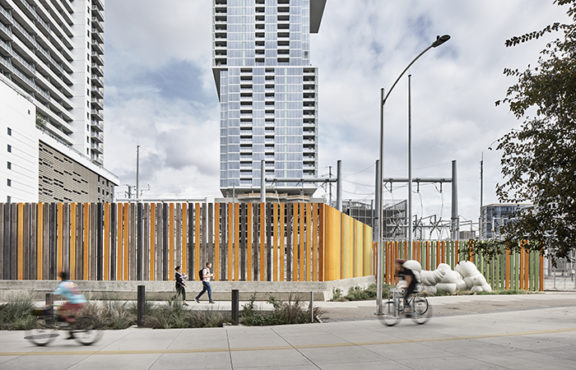
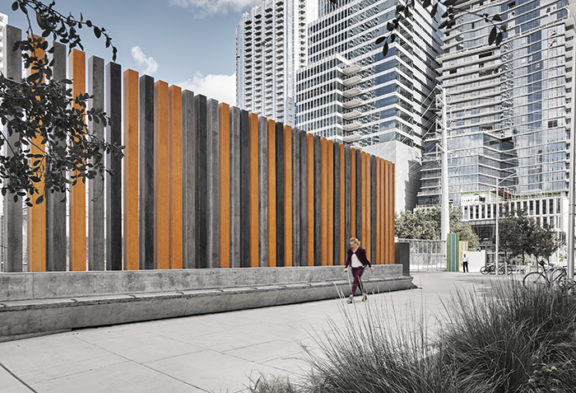
NADAAA’s public urban art project in Austin can be seen on Archello.
“The NADAAA intervention on the periphery of the substation adopts the centrifugal pull of its edges to create out of the remaining liminal spaces some idea of the public realm. The precast Power Picket project is the defining liner of this fringe space, giving definition to what is ostensibly a ‘terrain vague’, curiously absorbed by the onslaught of commercial development.”
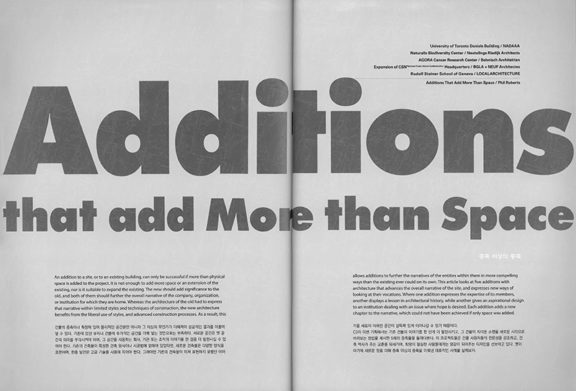
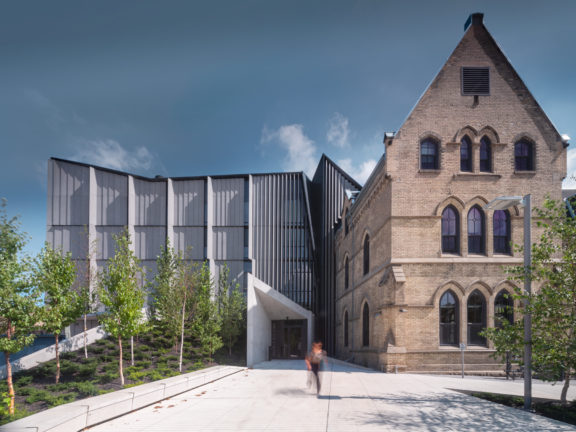
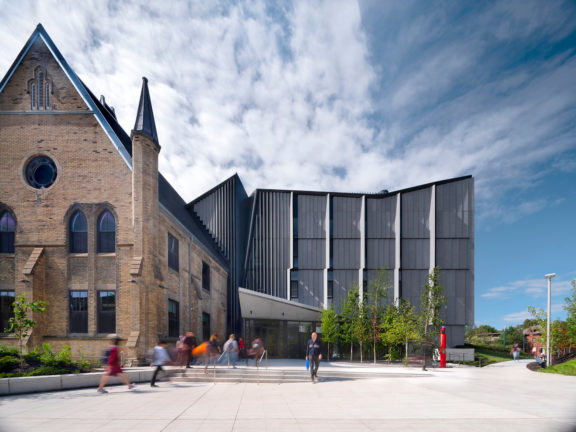
The Daniels Building is featured in the current issue of Korean architecture magazine C3. The focus of the issue is on distinguished urban additions that give “its users and the public something more”.
“The [building] by NADAAA, which includes [historic] Knox College, can be observed from 360 degrees. Each angle gives the viewer an architectural history lesson. The best view of the Daniels Buiding is from the streetcar, which glides around the western and eastern halves of Spadina Crescent. Examples of all three disciplines taught at the school can be found on the site, which makes it a sample size of Toronto’s built environments, past, and present.[…]
“Each surface, space, texture, shape, and form found on the interior of the addition, as well as the architecture on the exterior, serves to inspire the next generation of designers. they are taught, study, and build in a building that is itself an example of what is possible. A building that encourages creativity, and internally strives to be a radical departure from generic academic spaces. These are the spaces that people go to architecture school to create, that are not construction cost induced replicas. The addition, along with Knox college, is a constant tutorial of great architecture.” – Phil Roberts
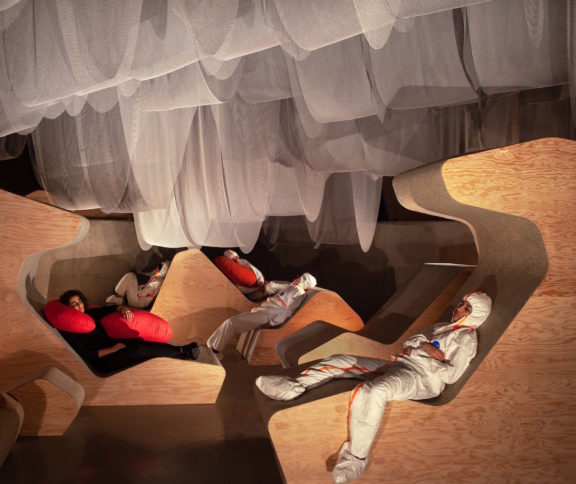
The NADAAA-designed 7,500-square-foot experimental gallery at the Daniels Building is launching with an installation curated by Dean Richard Sommer and New York-based designers, Pillow Culture. The installation is titled New Circadia (adventures in mental spelunking) and is launching tomorrow, November 7th, 2019 at 7:30pm. Registration is required for this event. Please register at the link here.
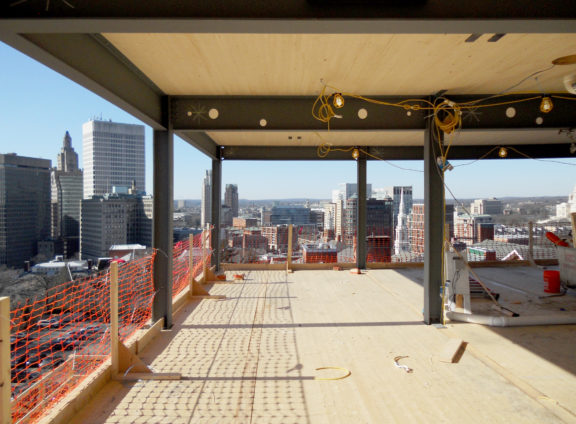
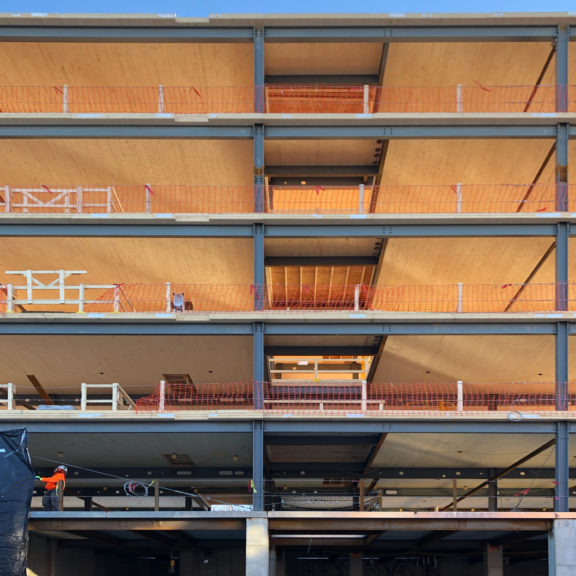
NADAAA Principal Arthur Chang will speak at ABX 2019 next week on the use of mass timber and the IPD process in our recently completed North Hall project for the Rhode Island School of Design. He will be joined by Annie Newman, Director of Planning, Design & Construction for RISD; David Odeh, Principal of Odeh Engineers; and Joubin Hassanein, Director of Shawmut Design and Construction’s New England Group.
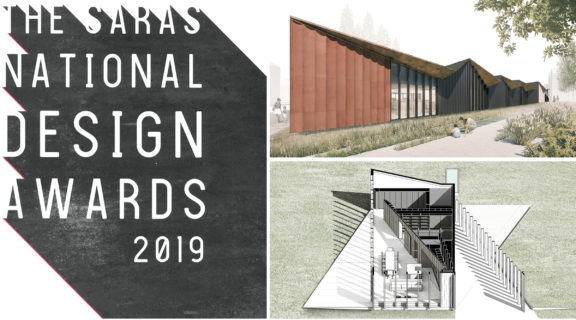
This award celebrates building owners who have undertaken projects to conserve or adapt a historic property or architectural feature of a historic property within the municipal boundaries of the city of Toronto. Congrats to the Daniels Faculty! See the full list of nominees HERE.
Comments Off on Daniels wins William Greer Built Heritage Award
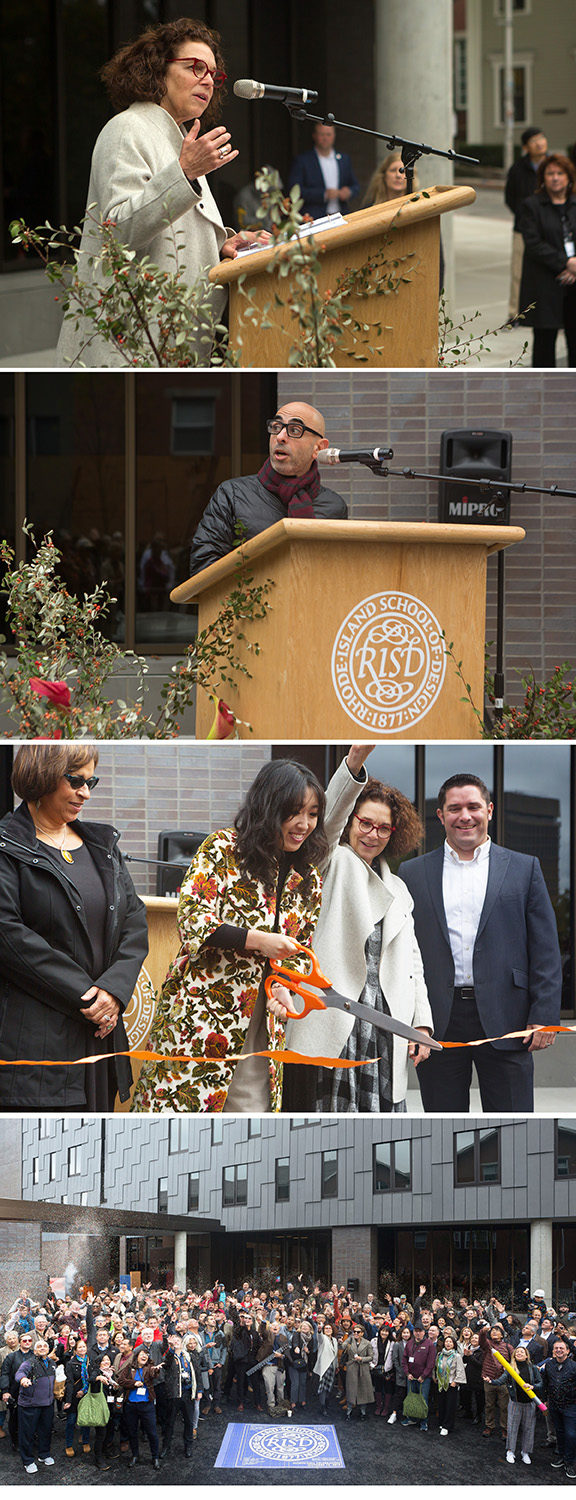
This weekend we celebrated the opening of RISD’s new North Hall with School leadership, students, faculty, and friends. Thank you all for joining us! Photos below of President Rosanne Somerson, NADAAA’s Nader Tehrani, Trustee Gabrielle Bullock, Student Alliance President Catherine Park, and Shawmut Construction’s Chris Maury are by Matthew Watson, an ’09 RISD alum.
“The design of the building must follow its function, and it is rare to witness a proposal where the building would itself become a learning tool, where its experiences and knowledge would inspire the users.”
Frank Lowenstein, Brian Donahue and David Foster write for the New York Times on how CLT can help solve the climate crisis. RISD’s recently completed North Hall is cited as a case-study. Read the full article HERE.
“Across North America, trees stand ready to help us solve the climate crisis. Trees remove carbon dioxide from the atmosphere and store it in their wood. One way to respond to a challenge from the United Nations secretary general, António Guterres, to seek “bold action and much greater ambition” on climate change is to protect forests from development, improve forest management and use sustainably harvested wood to build tall buildings. This will allow us to pump carbon from the atmosphere and store it both in forests and in cities. It will also support rural economies, improve wildlife habitat and create more affordable housing. This opportunity arises from cross-laminated timber, or CLT.”
Comments Off on North Hall mention in New York Times