DC House Construction Progress

Posted on December 25th, 2013 by Sia Herr

Posted under: construction, Things We Like

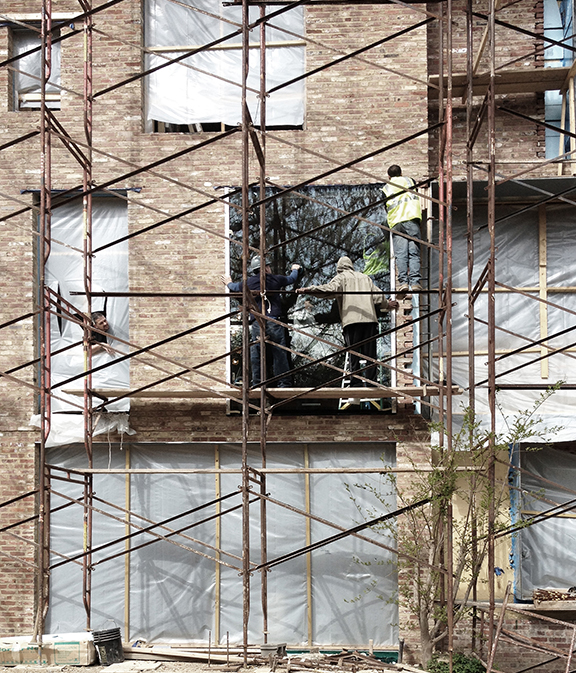
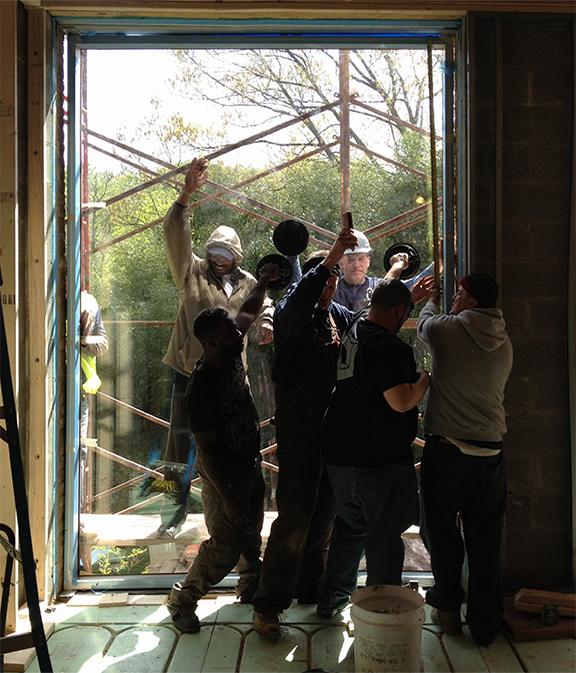
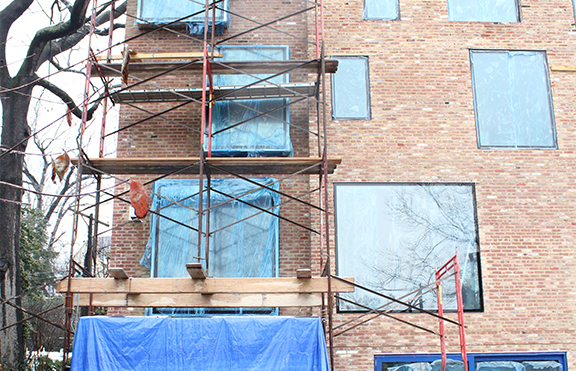
DC house windows being installed – both large and small panes, with the largest pane at 17’-6” X 7’-9”. The frame is Schuco curtain wall with black silicone inset frame binding the custom stepped double glazing system. The brick is original to the building, and therefore somewhat rough and rugged. Composed against the smoothness of glass, it is a desired contrast.

DC_02_ForWeb

DC_01_ForWebDC_03_ForWeb

DC_05_ForWeb


Comments Off on DC House Construction Progress

This Is How You Add 444 sqm to A Building

Posted on December 23rd, 2013 by Nader Tehrani

Posted under: _Melbourne School of Design, construction

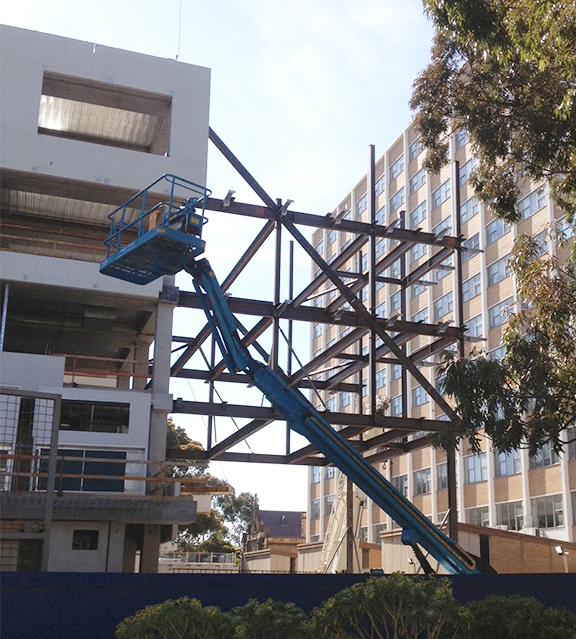
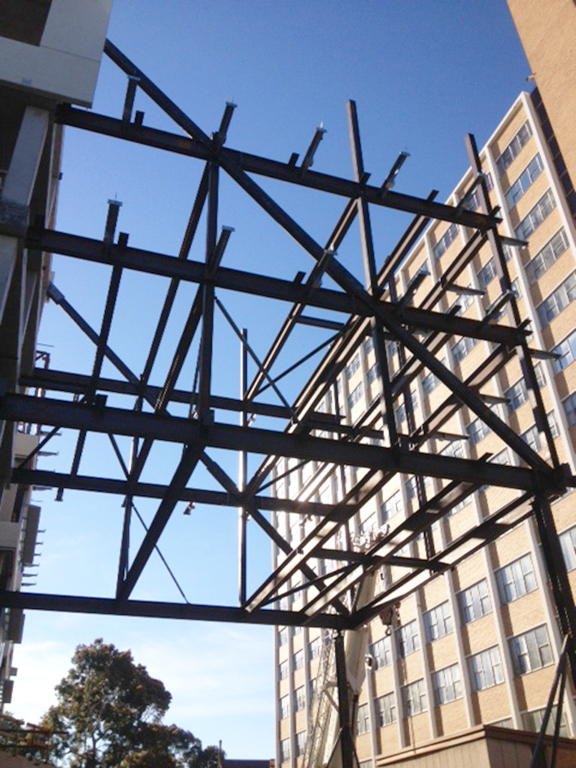
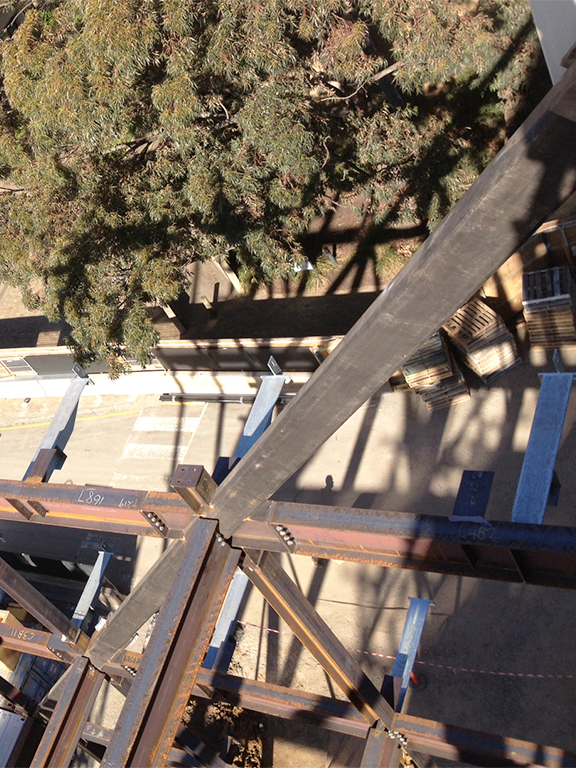
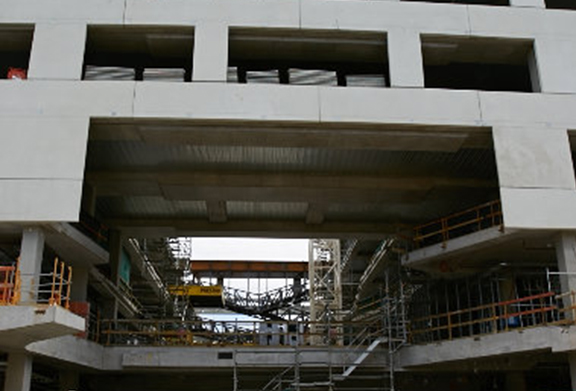
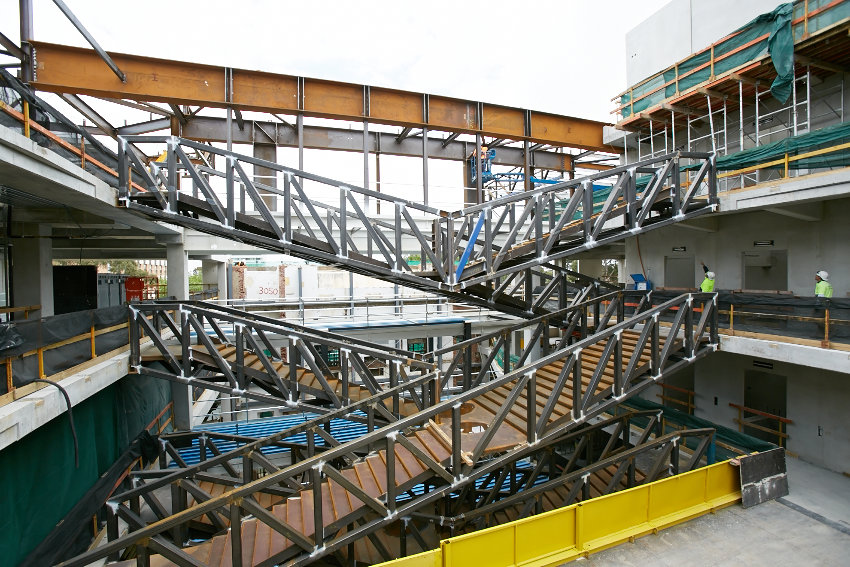
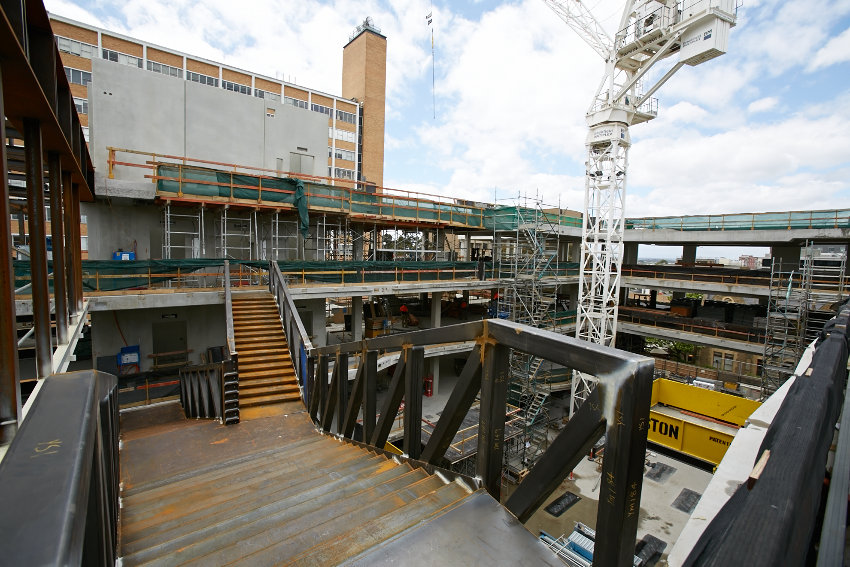
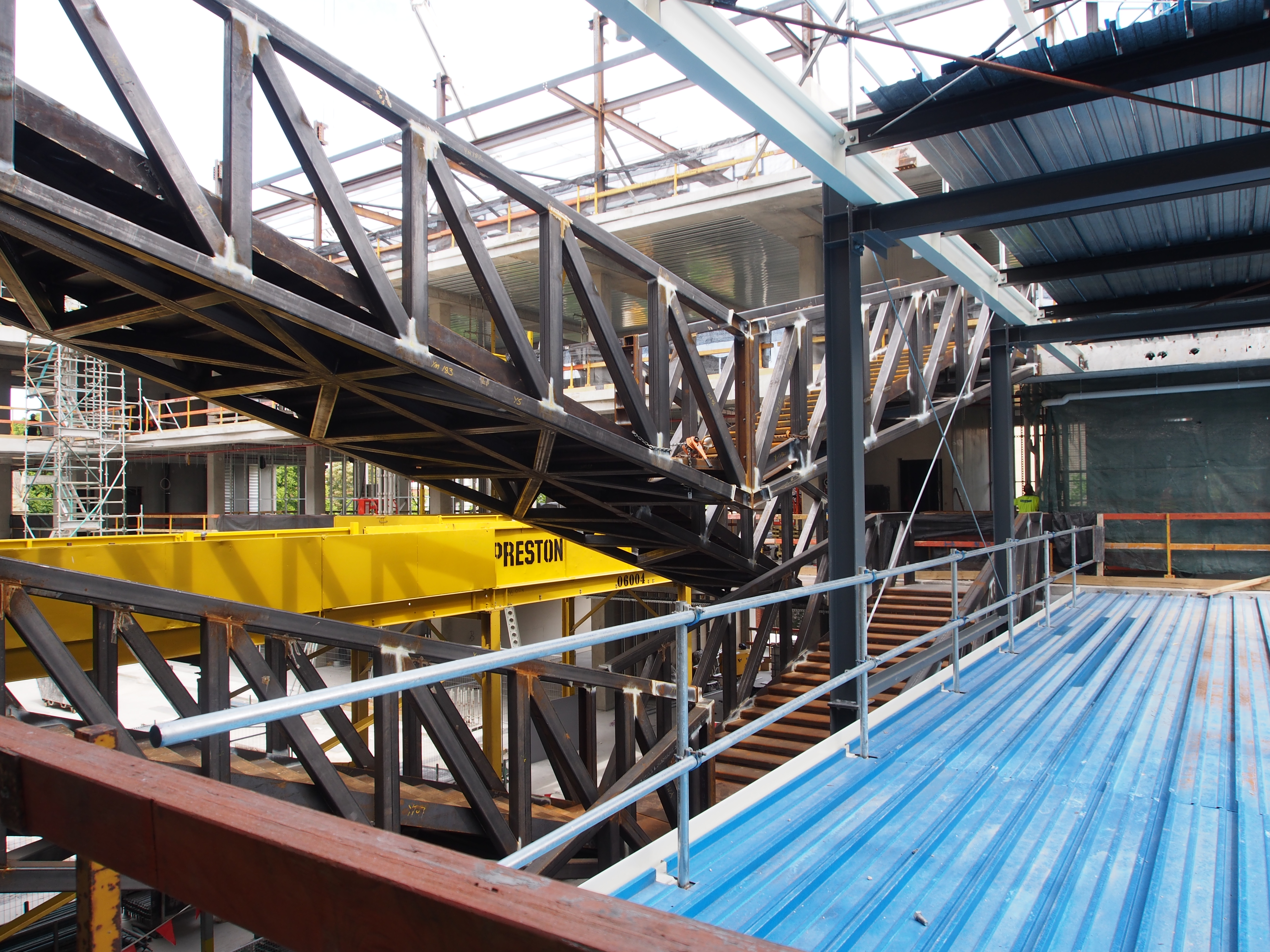
The cantilever on University of Melbourne FABP in the process of erection: a one week process. Soon hereafter, it will be covered by the same pre-cast panels as the rest of the building. The diagonal strut will remain exposed behind the layer of vertical louvers. Stay tuned!

Cantilever-1_ForWeb

Cantilever-2_ForWeb Cantilever-3_ForWeb

JWA in collaboration with NADAAA.  Photo credit: JWA

Comments Off on This Is How You Add 444 sqm to A Building

Holiday Fun at NADAAA

Posted on December 20th, 2013 by Sia Herr

Posted under: Events

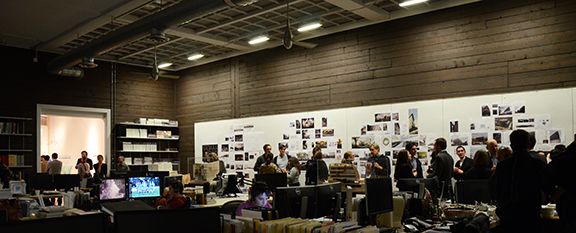
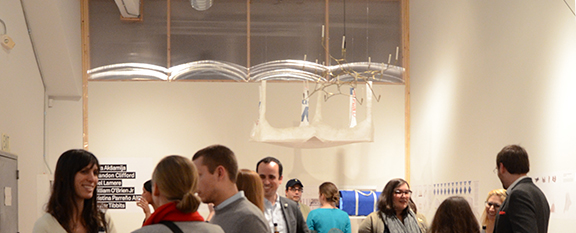
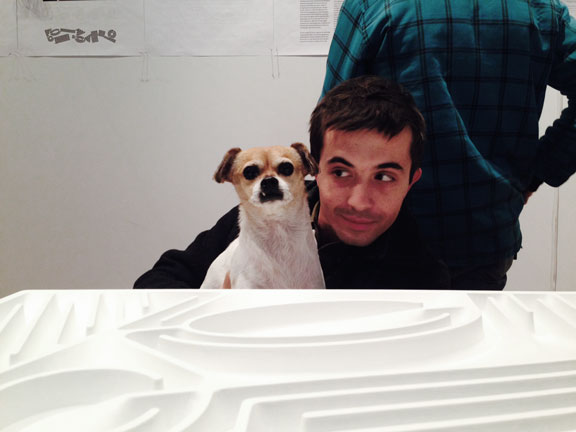
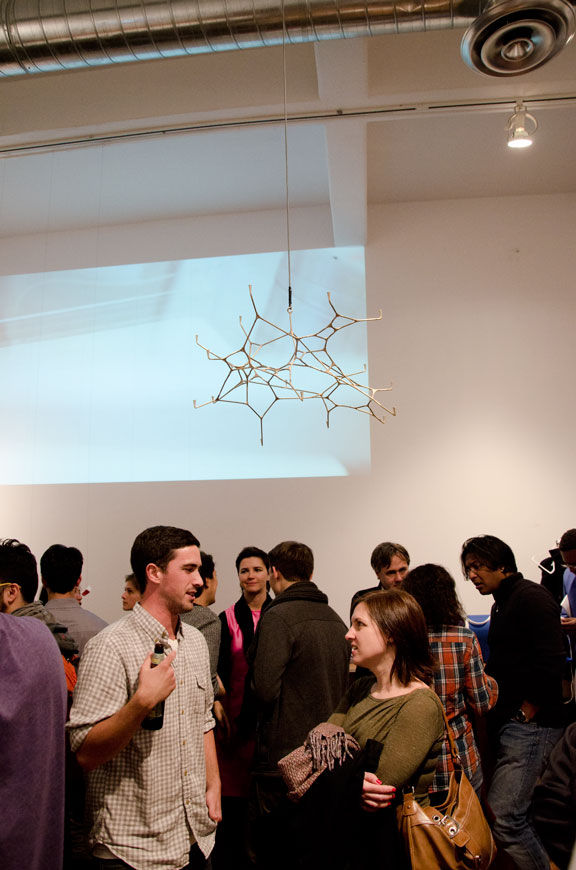
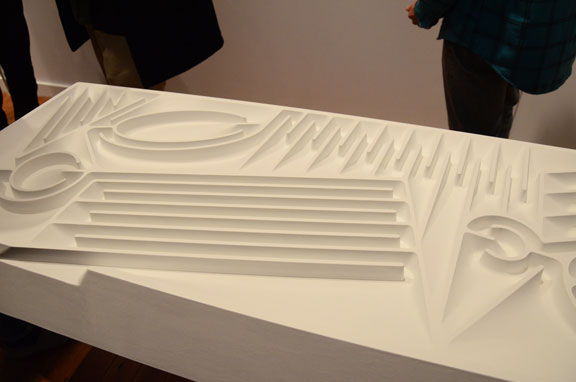
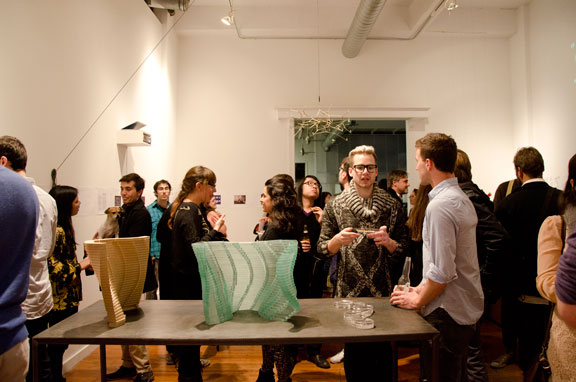
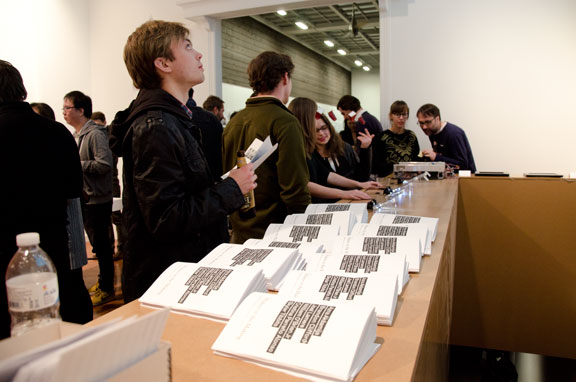
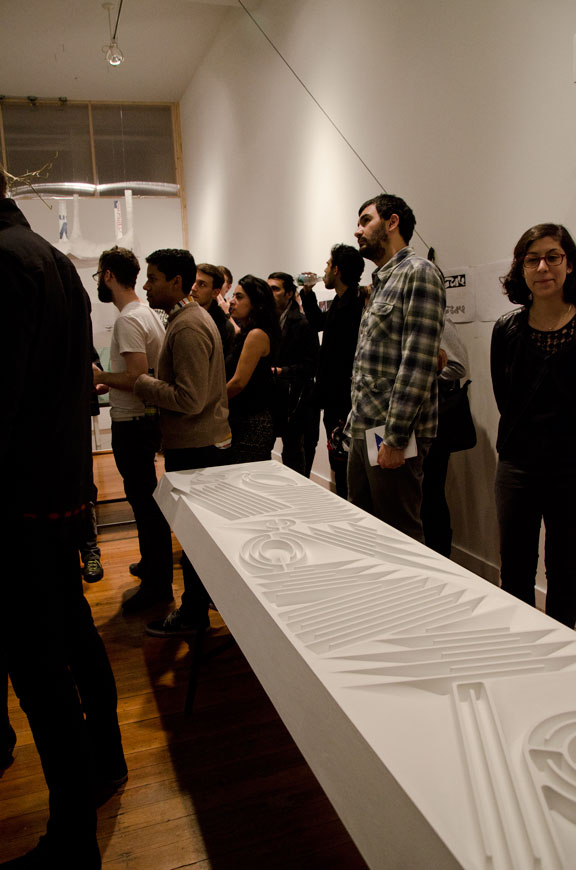
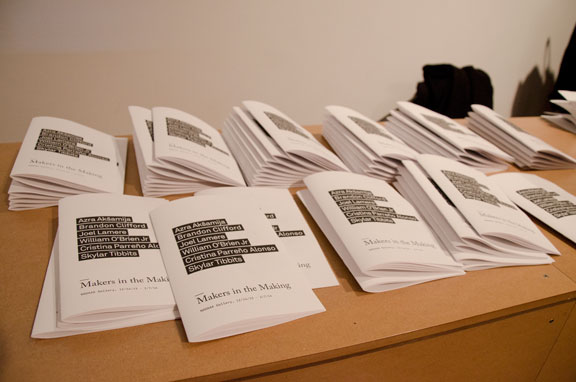
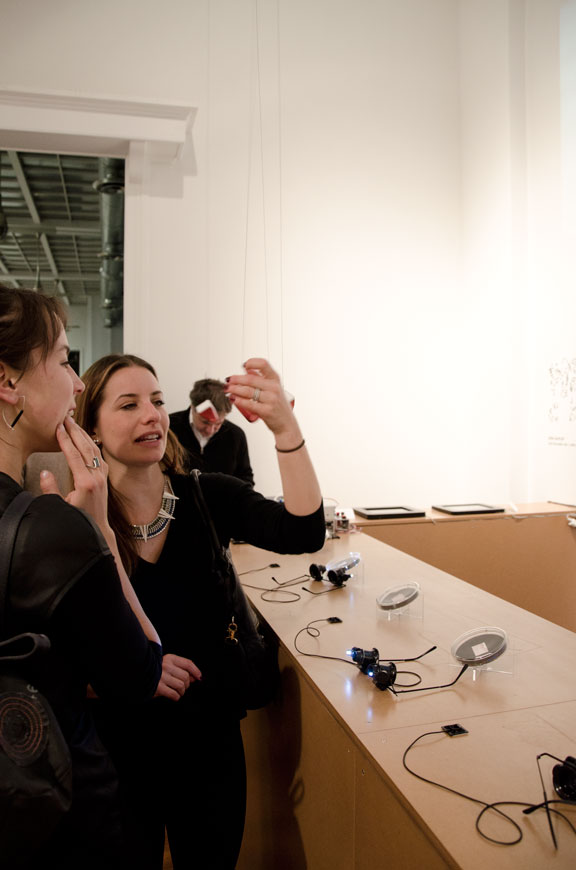
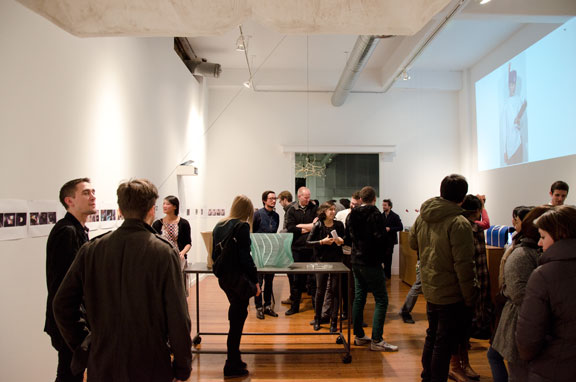
NADAAA opened up its entire studio to friends and family in celebration of the holidays and official opening of the Makers in the Making exhibit.  Click here for more photos from the event.

Gallery is open for public viewing from January 2-February 7, 10:00am-5:30pm. For large groups, please e-mail nada@nadaaa.com.

DSC_1951_ForWeb

DSC_1975_ForWeb

DSC_1947_ForWeb

DSC_1978_ForWeb

Comments Off on Holiday Fun at NADAAA

Virtues of A Ruled Surface

Posted on December 18th, 2013 by Sia Herr

Posted under: _Daniels Building

In Shenzhen, Alexander D’Hooghe presents the virtues of a ruled surface to the Queen of Belgium using the University of Toronto Daniels Faculty of Architecture, Landscape and Design at 1 Spadina Crescent as an example.

UOT_Queen-Visit

Comments Off on Virtues of A Ruled Surface

What is NADAAA?

Posted on December 16th, 2013 by Sia Herr

Posted under: Press

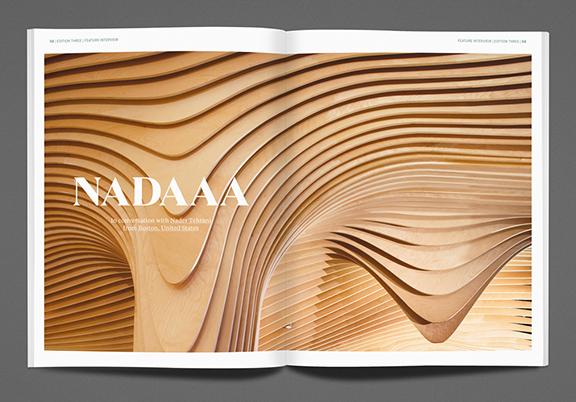
Nader Tehrani discusses the ins and outs of NADAAA in the current edition of MADE.

MADE_ED03_NADAAA


Comments Off on What is NADAAA?

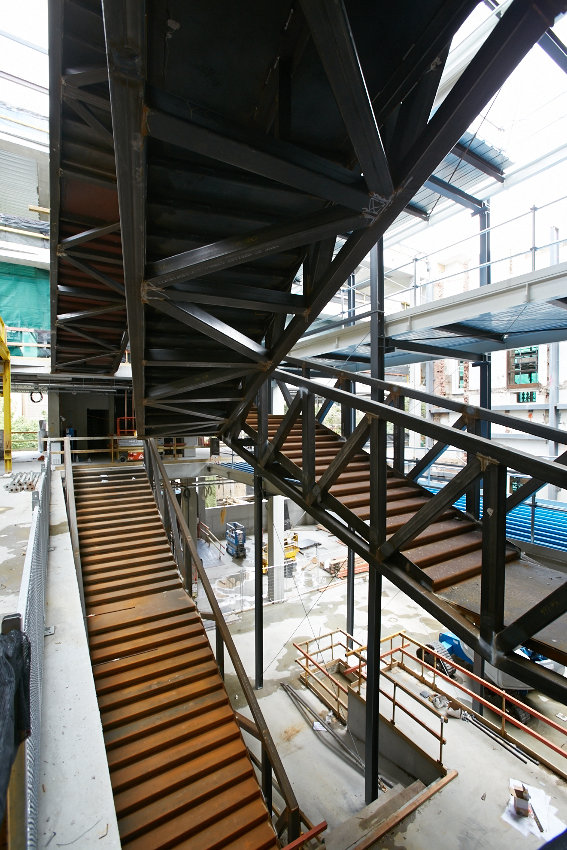
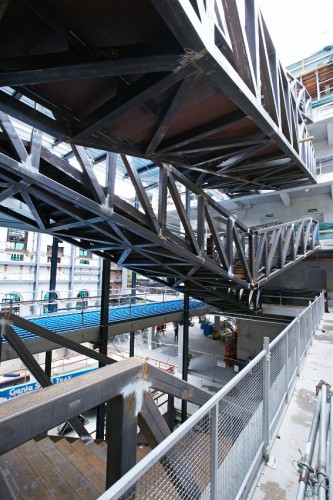
Melbourne University Construction Progress

Posted on December 3rd, 2013 by achang

Posted under: _Melbourne School of Design, construction

Construction


FABP_NOV2013_35

FABP_NOV2013_30

FABP_NOV2013_18

FABP_NOV2013_19

JWA in collaboration with NADAAA.  Photo credit: Multiplex

Comments Off on Melbourne University Construction Progress

An Appreciation for the Extraordinary

Posted on December 2nd, 2013 by Katie Faulkner

Posted under: Things We Like

On the heels of our current exhibit, “Makers in the Making”, I have been preoccupied by the difference between concept and action.  Dozens of times during the week I am struck by small ideas: a chair refurbishment, a fantastic tree house, a mobile kitchen island, a rock garden. These are concepts that could be enacted upon, and even completed within the space of a weekend, yet they never get done. Things get in front of them, or they are written on a sketchbook page and soon forgotten.

Fortunately there are those who are driven to make.  Dedee Shattuck opened an eponymous gallery in Westport, MA a few years ago. It is a lovely, peaceful architecture, situated at the edge of a wooded area  Click here to go to the gallery website. I make an effort to visit each season, less for the art (which is generally excellent) than for the calming effect of the space which is an oasis after a few days with the extended family. The gallery is directly behind a wonderful shop/cafe, and usually I can leave the kids with my parents and steal a few minutes with the paintings and objects currently on exhibit. But this time the boys were with me and the moment we entered, I knew it was a mistake.  Now they are old enough not to break or damage, but “WHO would pay FIVE HUNDRED AND FIFTY DOLLARS for THIS??!” came through loud and clear, thanks to the excellent acoustics. Dedee graciously suggested my children might prefer to run around in the wooded sculpture garden, which turned out to be the sanity saving activity of the day.

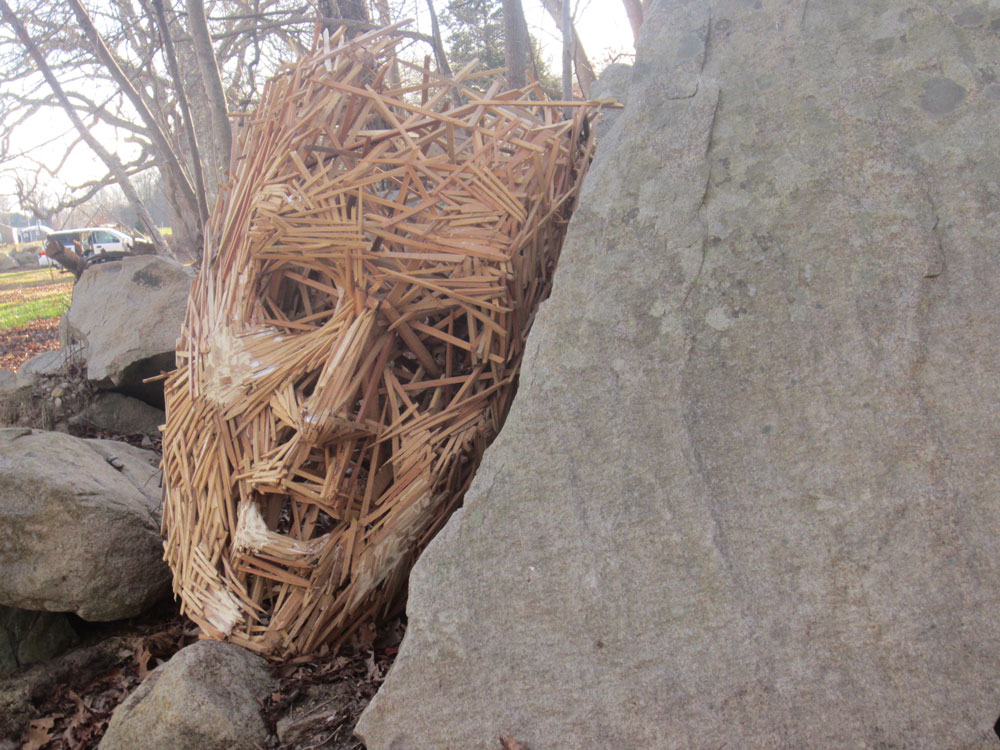
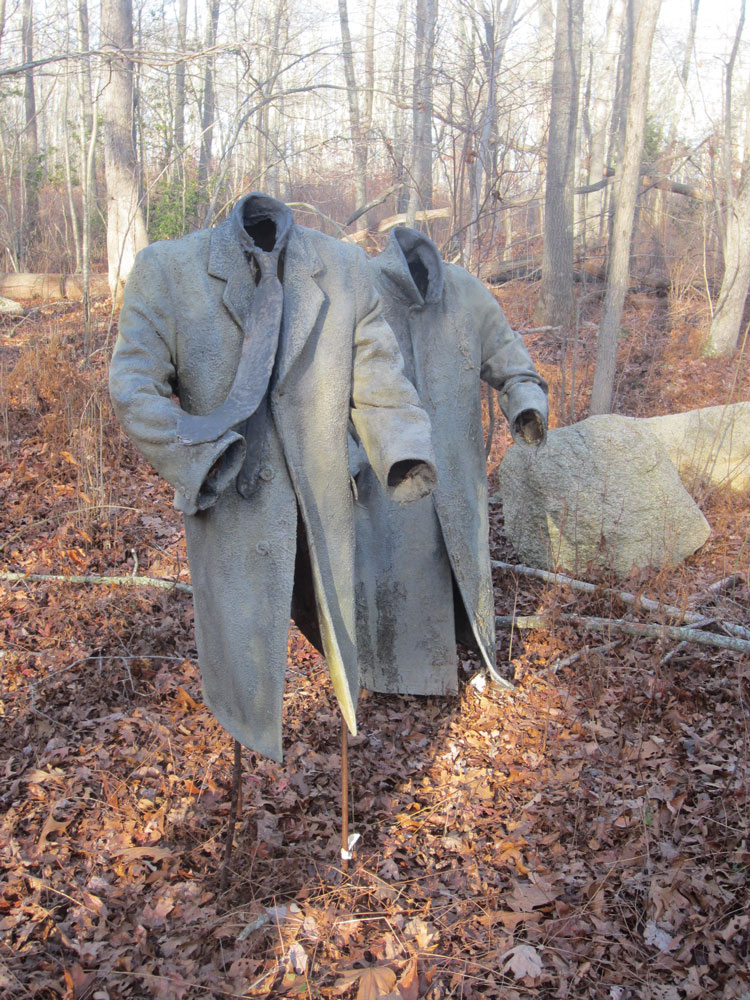
“Art in the Environment,” is an exhibition of work by faculty and graduate students from the College of Visual and Performing Arts at UMass Dartmouth. The setting is a winding path through a forest, where moss is still electric green among the brown leaves, and you cannot see the art until you happen upon it.  It is surprising to discover “Fall” by Russell Prigodich, an enormous leaf hovering in the air with no obvious means of support, and “Green Men” by  Ellen Lewis Watson, two hollow jackets floating without heads – a little bit “Blair Witch Trial” and a little bit Ichabod Crane, but somehow beautiful.  On your way out, you might miss Rob Greene’s “Down and Out” leaning against a boulder. It is a huge sad head made of sticks.

The strength to fully execute an idea is something to admire, and I suspect that architects can appreciate this as well as anyone.  Time and Money often seek to deny what was intended—and perhaps the bigger the idea, the more vulnerable it is to compromise.  Yet in spite of it all, some things make it through.  Enough people believed in an ICA, Community Rowing, Genzyme Center, and Hancock Tower to enable something remarkable to be built. And it is worth remembering that each time we consider renovation and/or development; it is easier to make something unremarkable, or to make nothing at all.  So within that context, I am grateful for those who would create beauty and provocation in a quiet back yard, for only a small audience to discover. And I ask myself if, as an architect, I am doing all that I
could?

shattuck-2

shattuck-1

Comments Off on An Appreciation for the Extraordinary

Makers in the Making Soft Opening

Posted on November 30th, 2013 by Lisa LaCharité

Posted under: Installations + Exhibitions

In recent years, the privileged role of representation has given way to other critical forms of pedagogy within the Academy of Architecture. Beyond acts of drawing, specification and communication, the architect’s role has not only been expanded to include a political domain that challenges the industry’s means and methods of fabrication, conventional protocols of building, and a subservience to the construction industry at large, but also a re-evaluation of the instruments of analysis to include tactics from the arts, sciences, and cultural media to expand the critical terrain of the discipline at large. Architects are, more than ever, researching, making, testing and simulating with materials – both physical and cultural– as a foundation for imagining other ways to transform practice as we have come to know it. In the Academy, instead of preparing students for a practice on the verge of obsolescence, our faculty is taking on material practices that invent alternative ways of creating architectural organizations, smart systems, interactive environments and an architecture that is responsive to complex social and cultural demands. This is MIT, and these are Makers in the Making. Nader Tehrani

MIT SA+P tweet from Makers in the Making soft opening on November 14, 2013:

NADAAA Gallery and MITM exhibitors are now in preparation for the Makers in the Making (MITM) opening in December. The NADAAA Gallery doors will be open to visitors after December 13 for regular viewing. More details to come. See photos from our soft opening in November below.


mitmitm-13

mitmitm-12

mitmitm-11

mitmitm-10

mitmitm-9

mitmitm-8

mitmitm-7

mitmitm-6

mitmitm-5

mitmitm-4

mitmitm-3

mitmitm-2

mitmitm-1

Comments Off on Makers in the Making Soft Opening

DFALD HYPERBOLIC PARABOLOID CEILING MOCK-UP

Posted on November 26th, 2013 by pmacdowell

Posted under: construction, Installations + Exhibitions, NADLAB

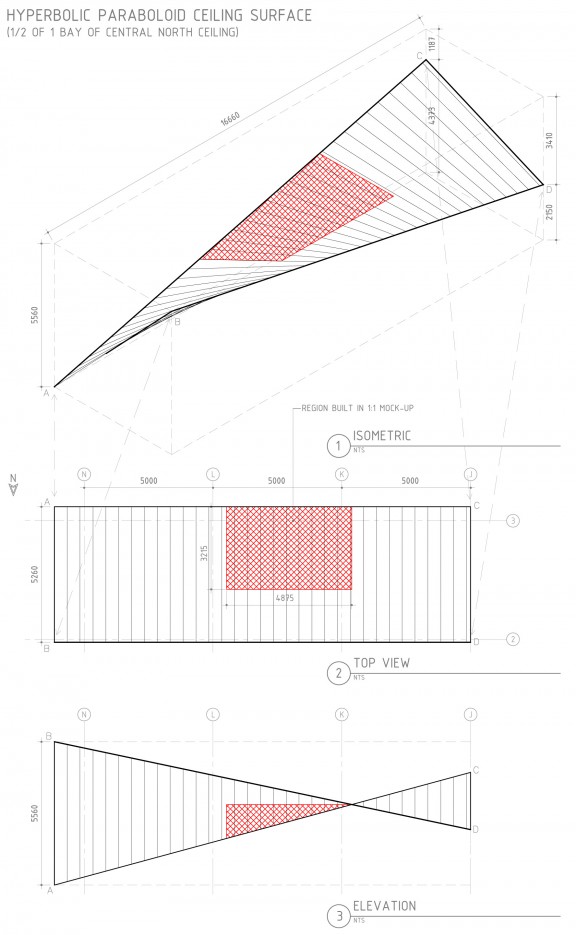
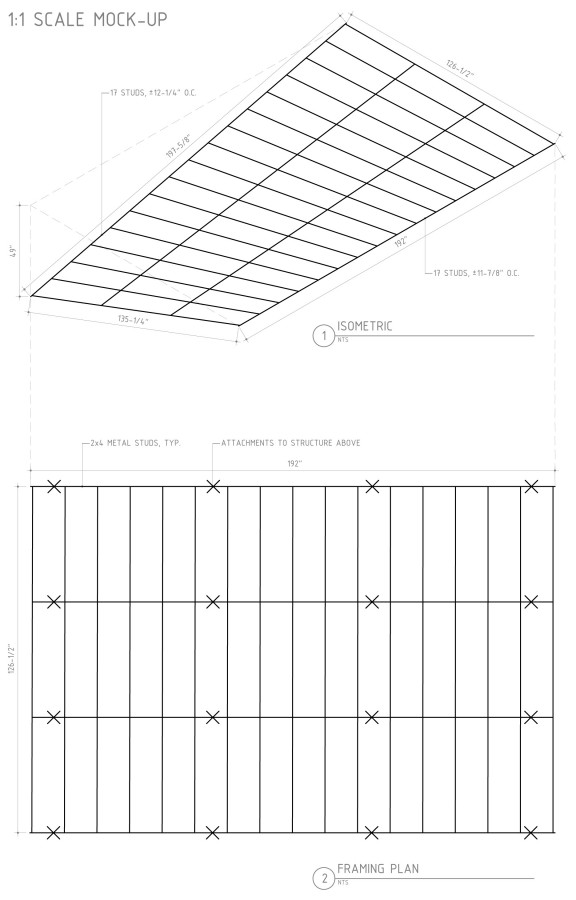
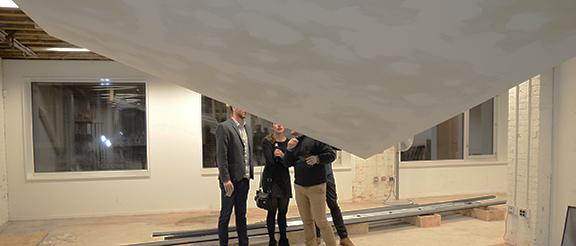
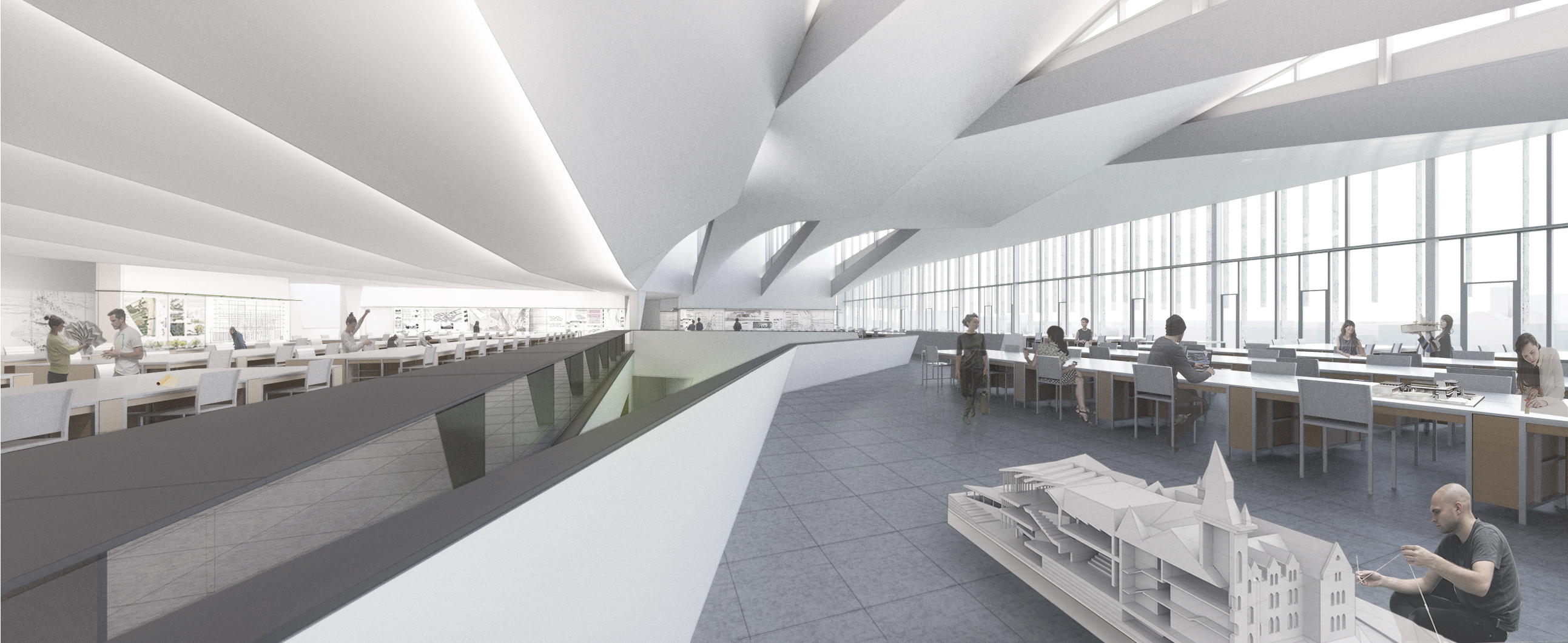
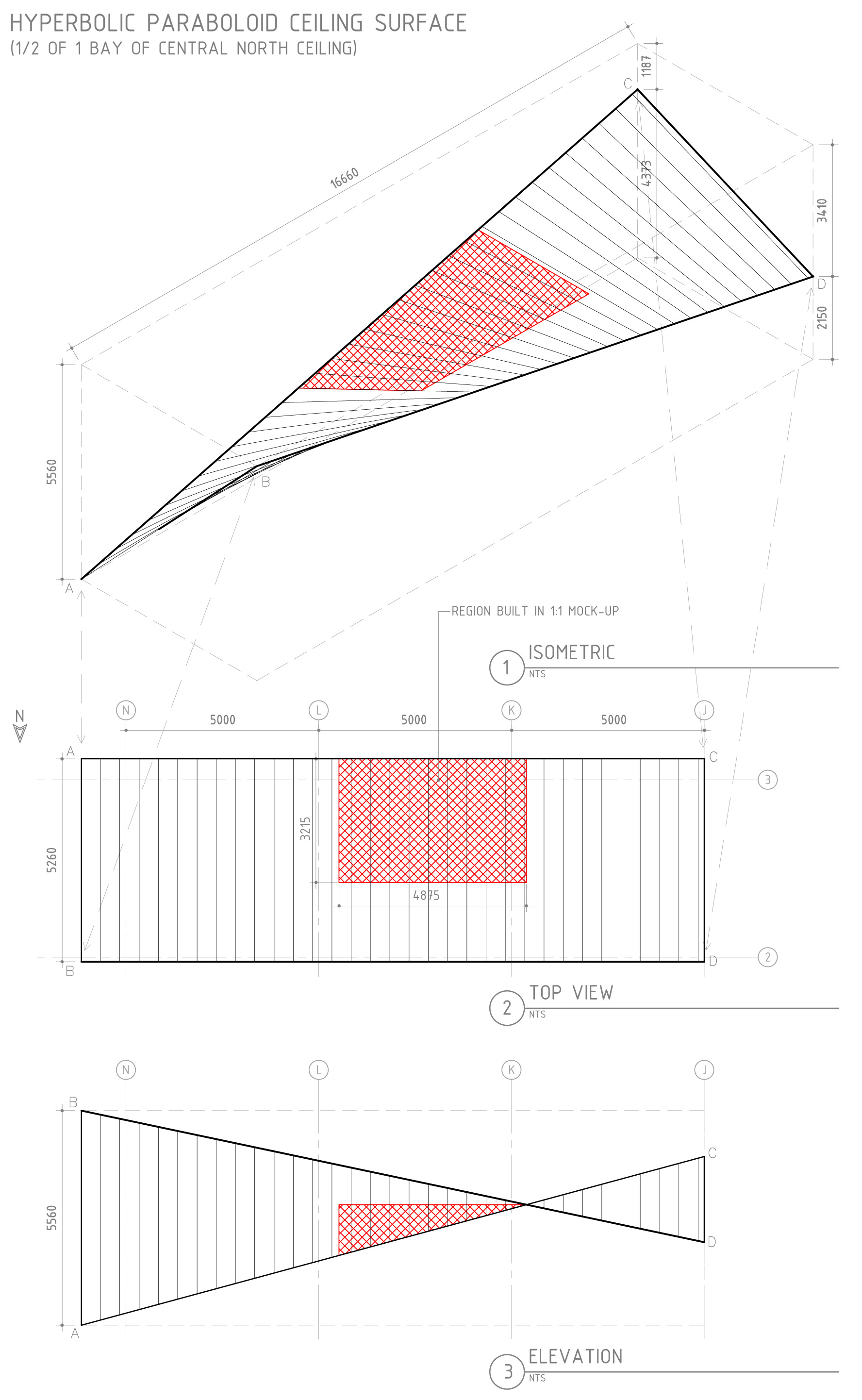
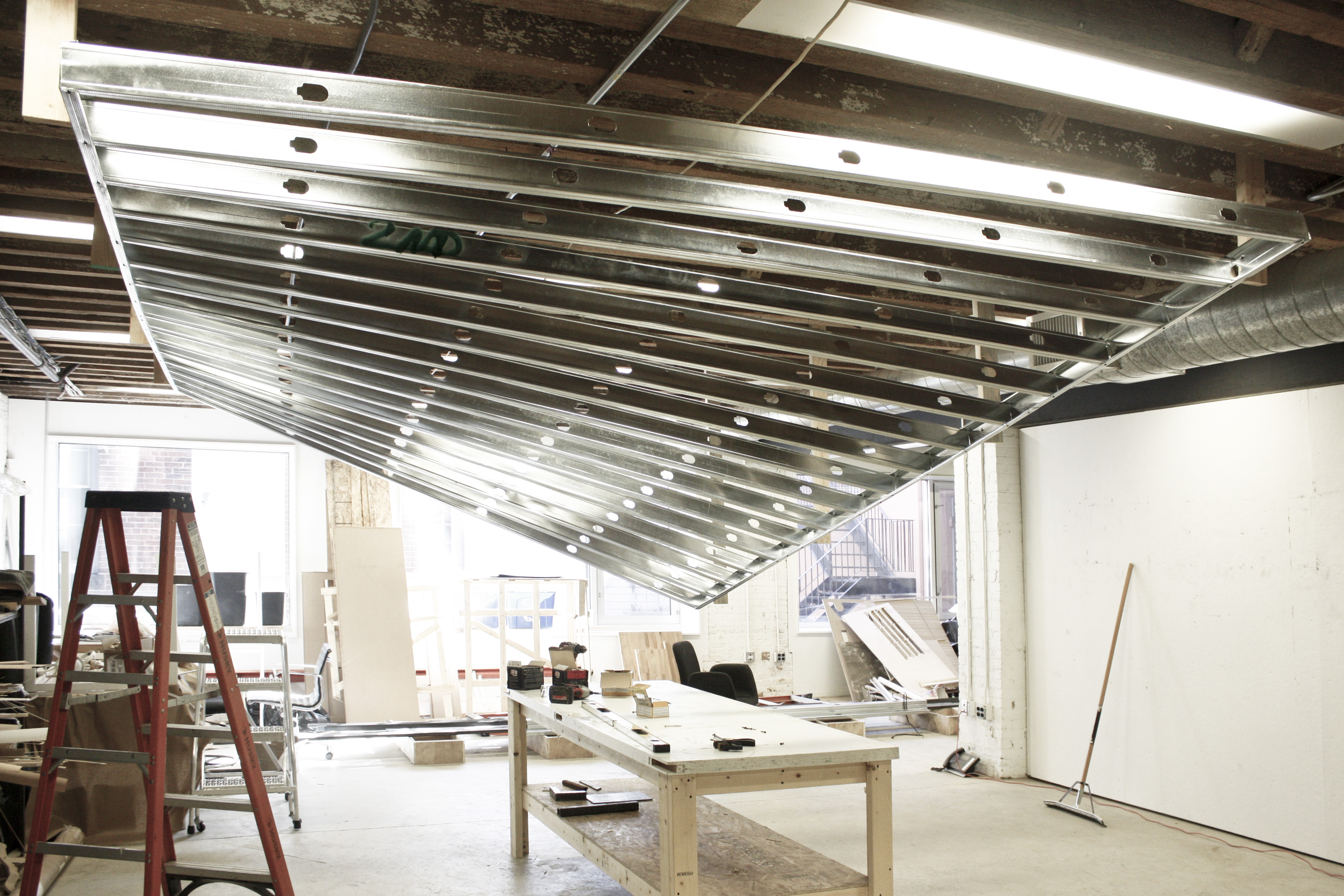
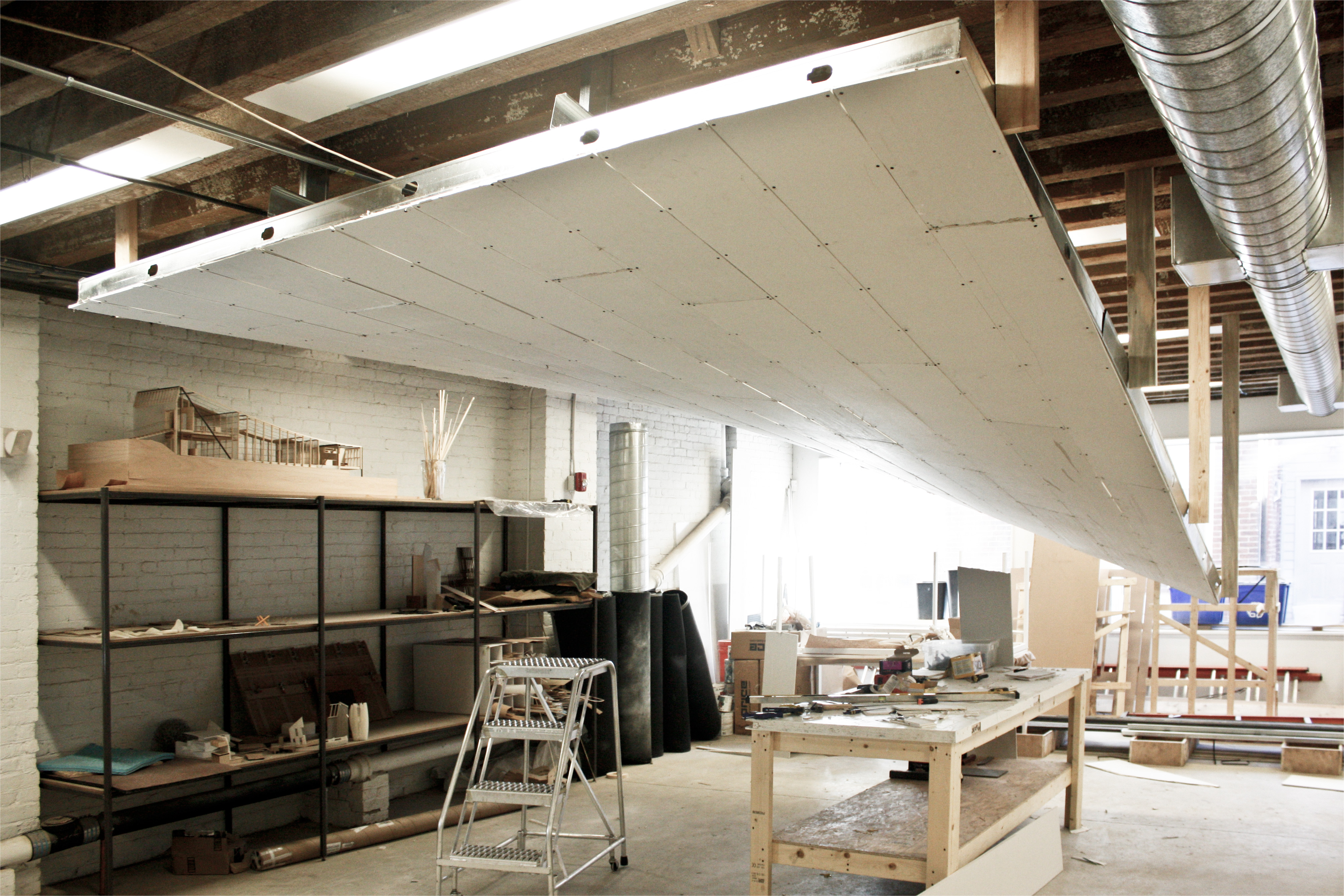
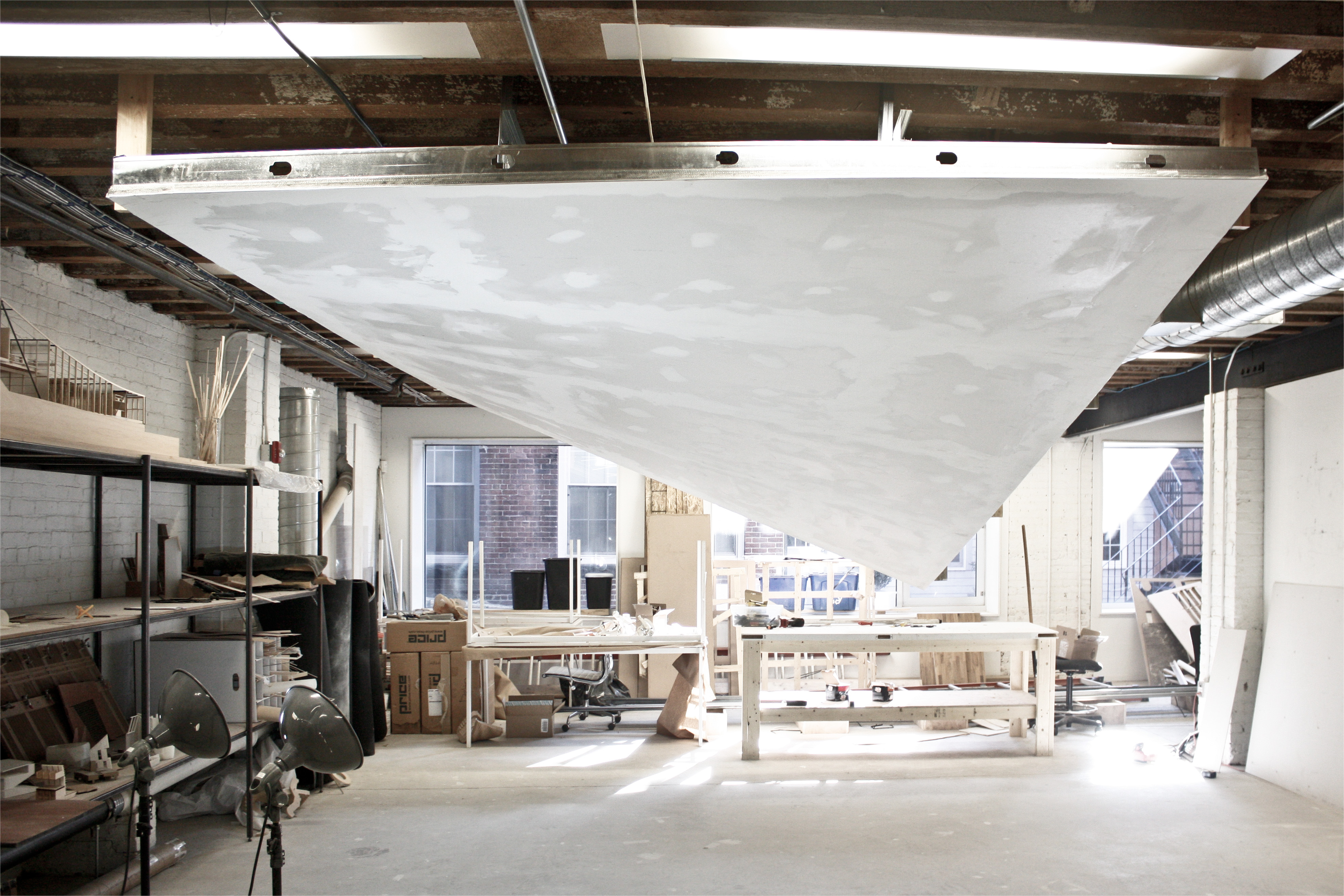
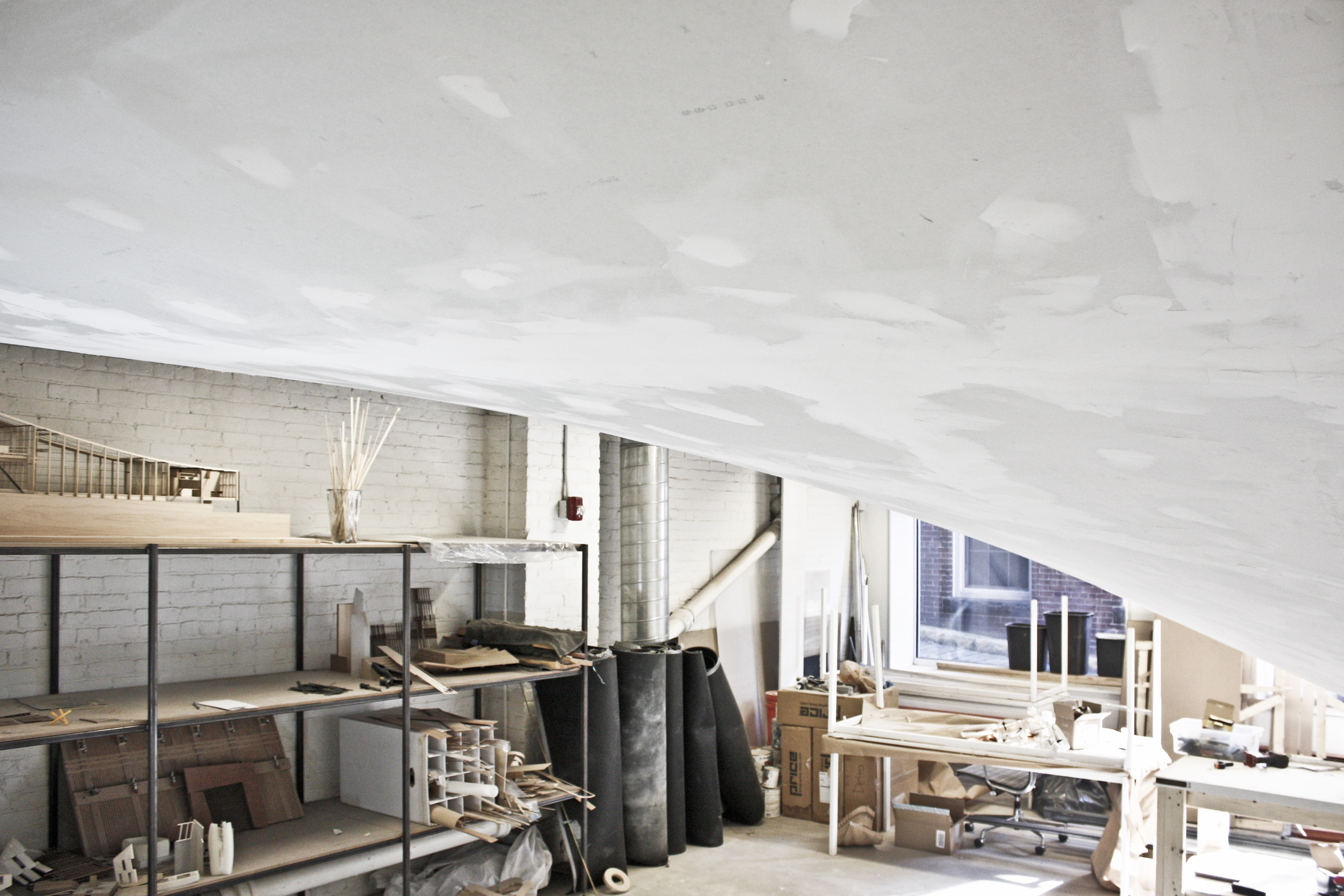
Recently, the warped ceiling surface of the DFALD Level 3 design studios came under scrutiny as a major cost item during DD cost estimating.  Conventional building practice suggested that the complex form could only be achieved with hand-troweled plaster on metal lathe.  We proposed an alternative methodology using simple framing with cost-effective sheetrock and proved the viability of the concept with a 1:1 mock-up, fabricated in-house.  The mock-up convinced the construction team and reduced estimated costs by more than 50%.
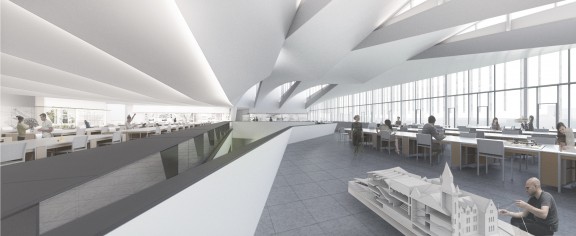
STUDIO RENDERING 01

ceilingMockUp.3dm


ceilingMockUp.3dm

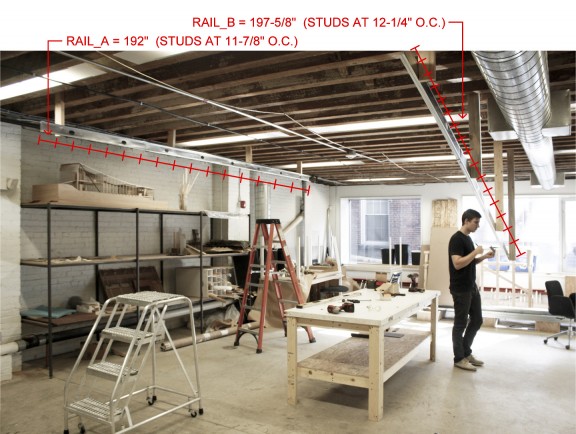
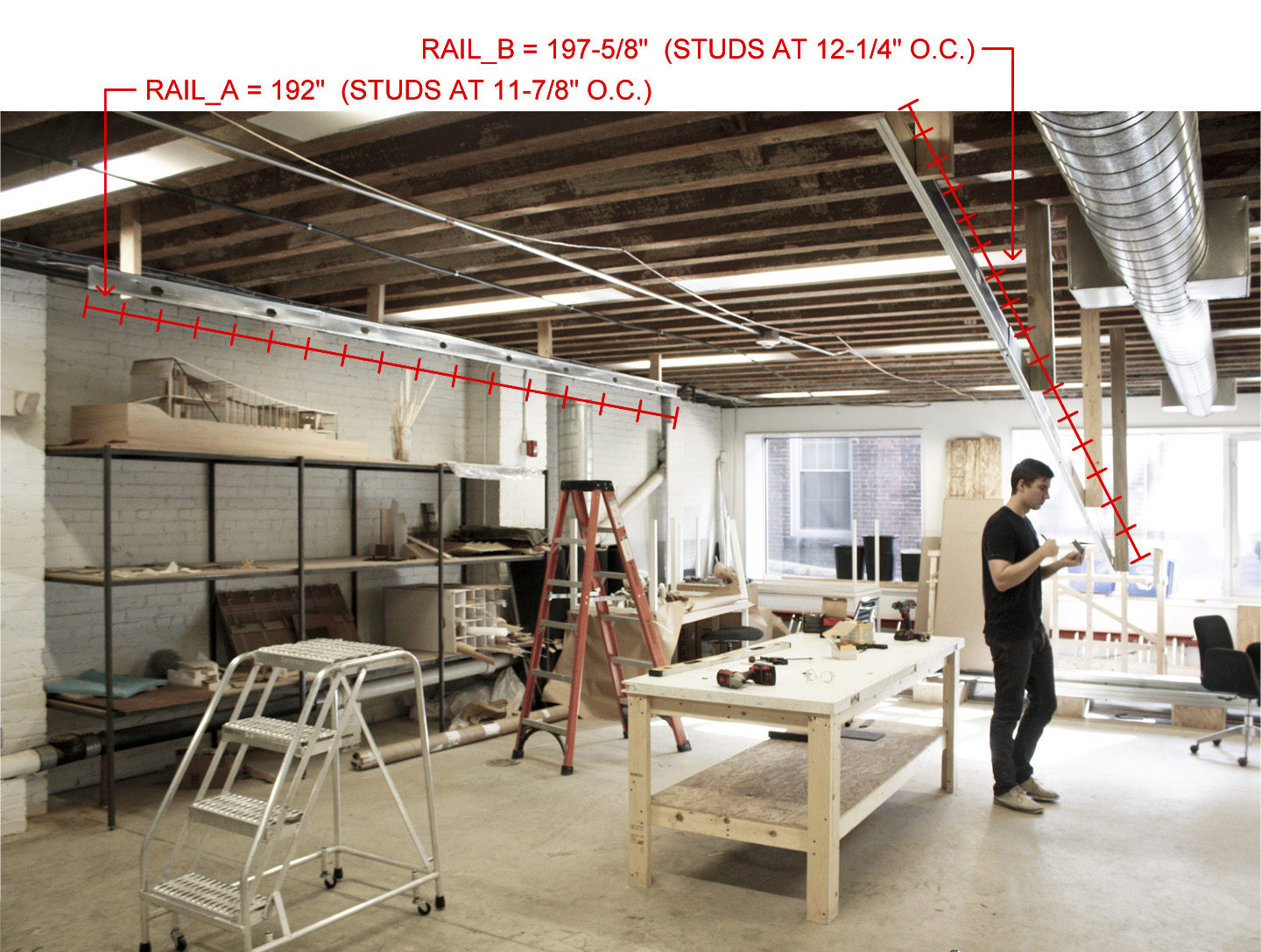
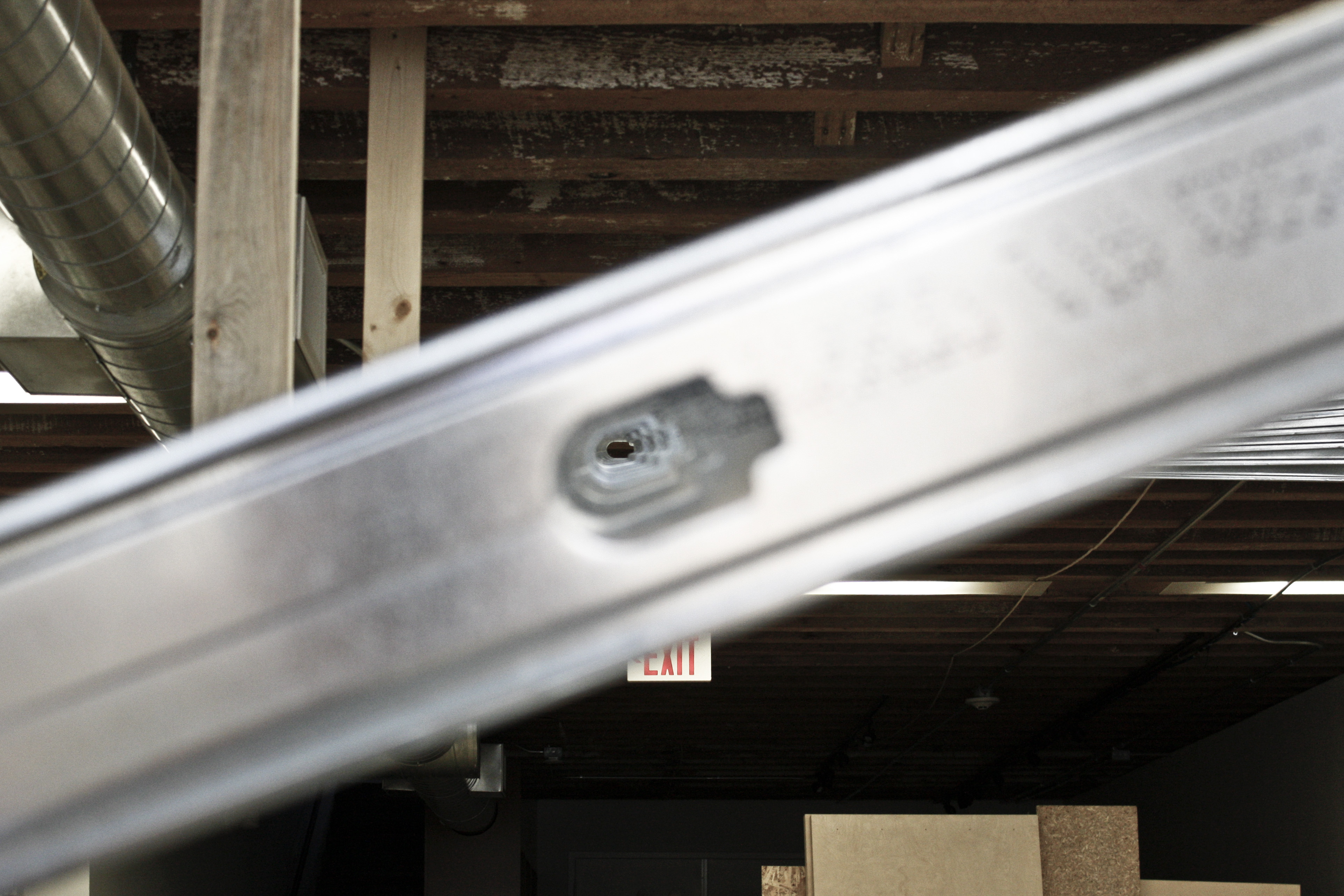
UT_mockup_01c2×4 metal studs are cut to length and attached in the proper orientation for mounting rails.  Stud locations are measured and marked on the rails.  Because they are different lengths, stud spacing is 11-7/8” o.c. on one rail and 12-1/4” o.c. on the other.
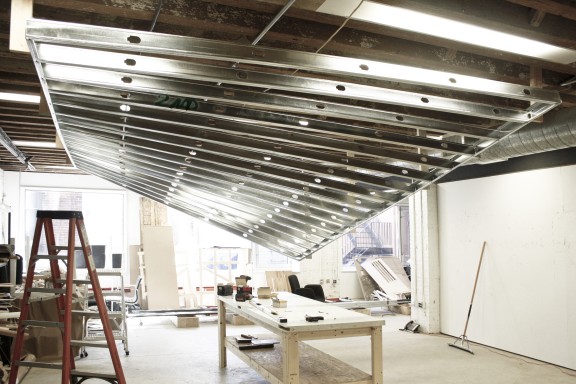
 

UT_mockup_02Spanning studs are attached to the mounting rails.  As the geometry twists, the studs get longer, so each stud must be cut to a unique length.  The shortest stud, in the foreground, is 126-1/2”.  The longest, at the far end of the structure is 135-1/4”.


UT_mockup_03Because the studs have been spaced equally along both mounting rails, straight lines can be struck across the twisting surface.  Support members may be run through the knock-outs of the studs to reinforce the structure.
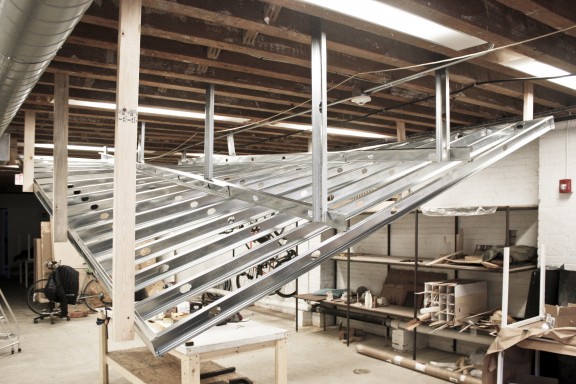
 

UT_mockup_06We chose to unify the structure with more 2×4 studs above the spanning members.  We achieved straight lines by dividing the first and last spanning members into thirds and running the reinforcement between those points.  Additional members attach the system to the structure above.  Note that both the mounting rails and the spanning members twist to accommodate the curvature of the surface.
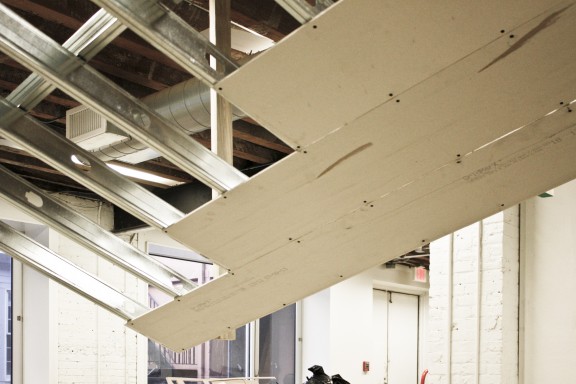
 

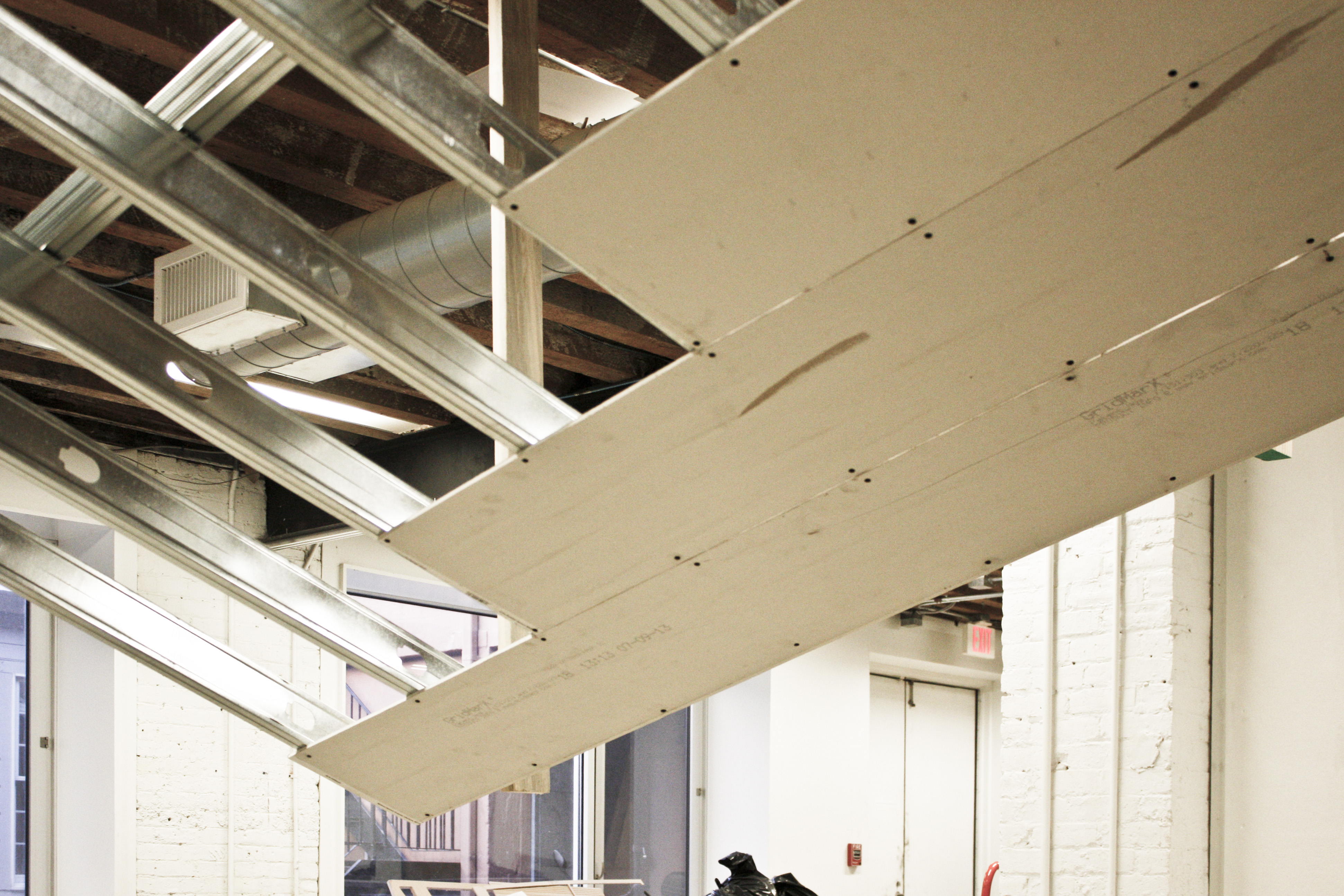
UT_mockup_08Gold Bond “High Flex” gypsum board (1/4”  thick) is cut into 12” wide strips and attached to the frame, perpendicular to the spanning studs.  We did not need to score or wet the gypsum boards. The joints between boards are staggered to reduce the appearance of facets on the surface.
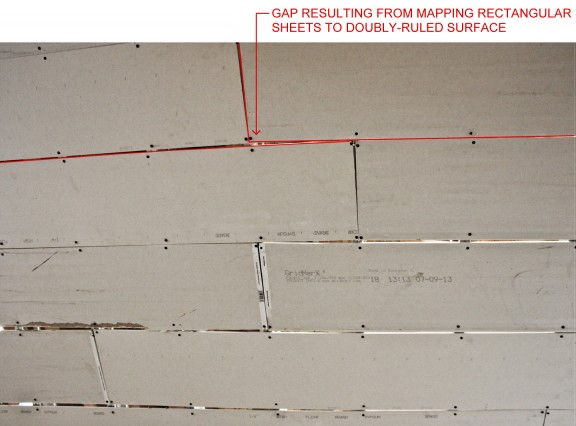
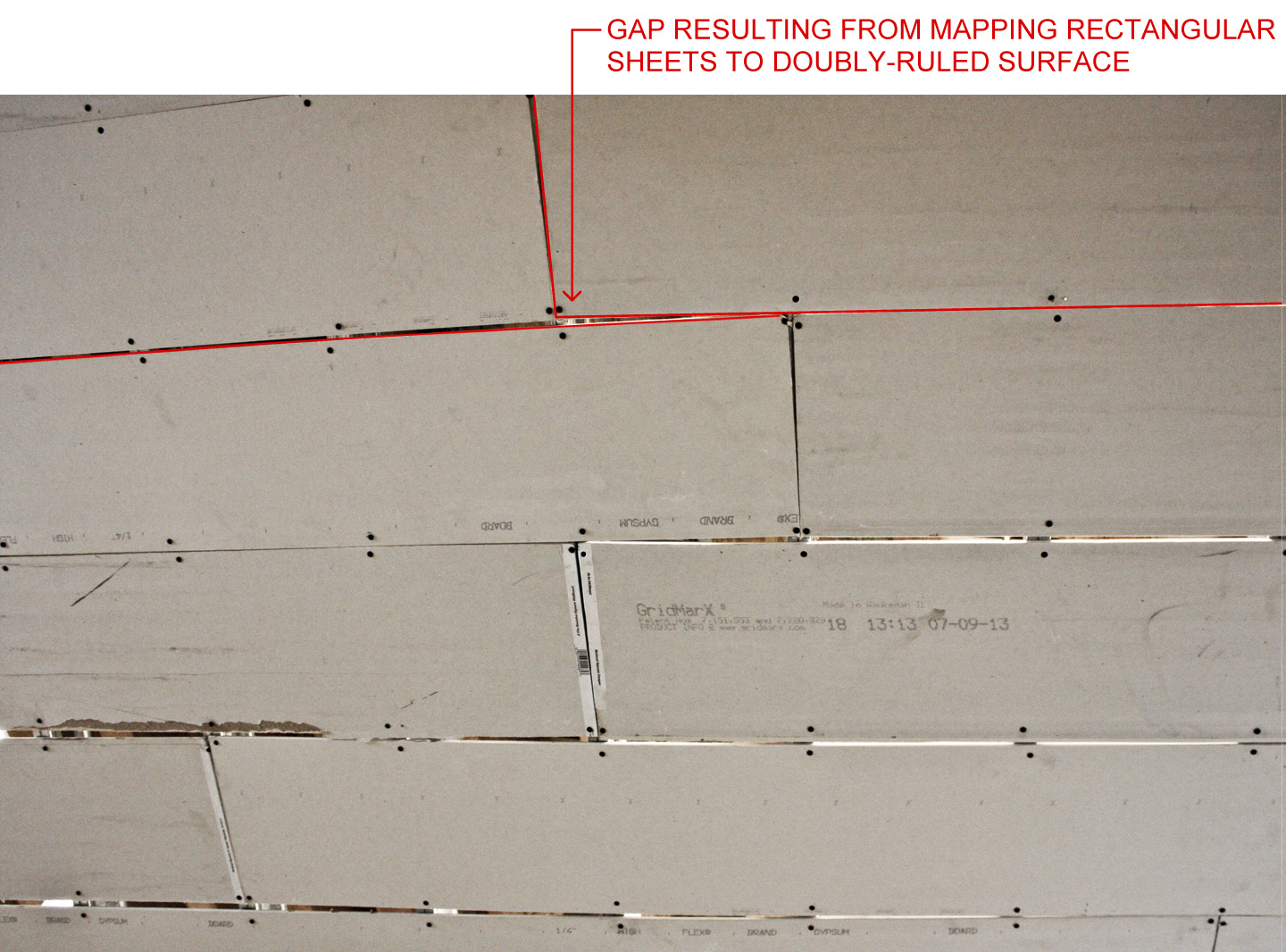
UT_mockup_09BThere are inherent geometric errors when mapping  rectangular sheets onto a doubly-ruled surface.  The maximum gap size we observed was approximately 3/4”.
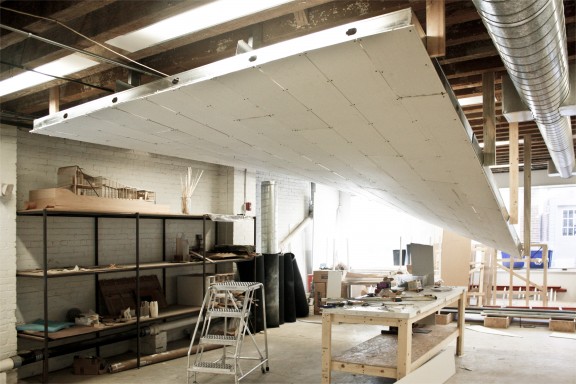
 

UT_mockup_10Gaps between panels are relatively inconsequential at this stage, as this layer of gypsum will simply act as a substrate for the second, final layer.
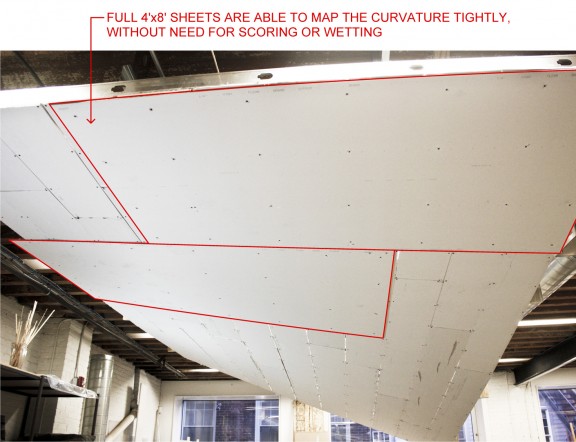
UT_mockup_15BThe second layer of gypsum is hung perpendicular to the first.  These sheets are screwed directly to the first layer, avoiding the studs everywhere except the perimeter of the surface.
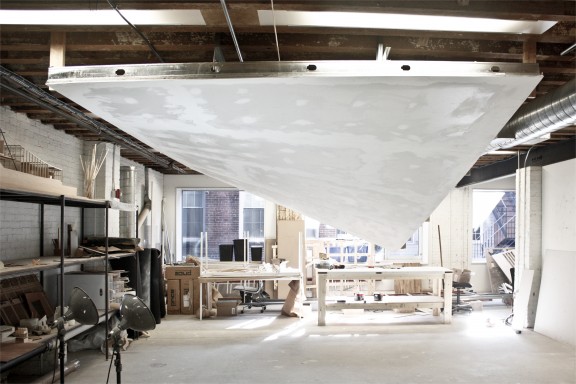
 

UT_mockup_20The rough edges of the sheets are cut back to the bounds of the surface and trimmed with corner bead.  Joints and screw holes are taped and mudded.
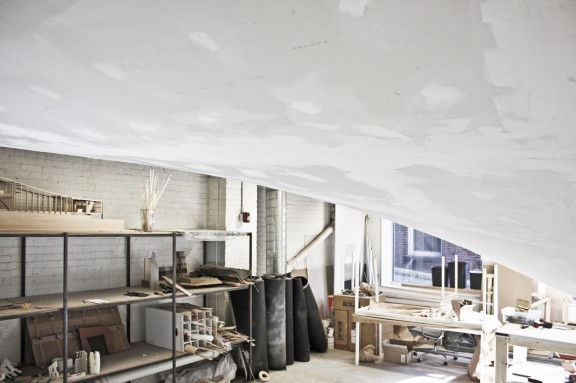
 

UT_mockup_21The surface is shown here after a single application of joint compound (Level 2 finish).  The joints are still wet and are not sanded.
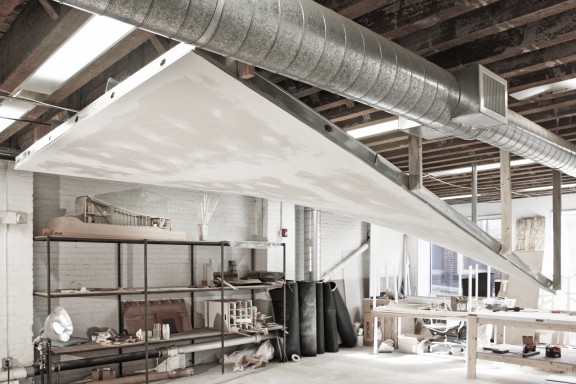
 

UT_mockup_22The form is clean, with no apparent  inconsistencies or planar facets.


Comments Off on DFALD HYPERBOLIC PARABOLOID CEILING MOCK-UP

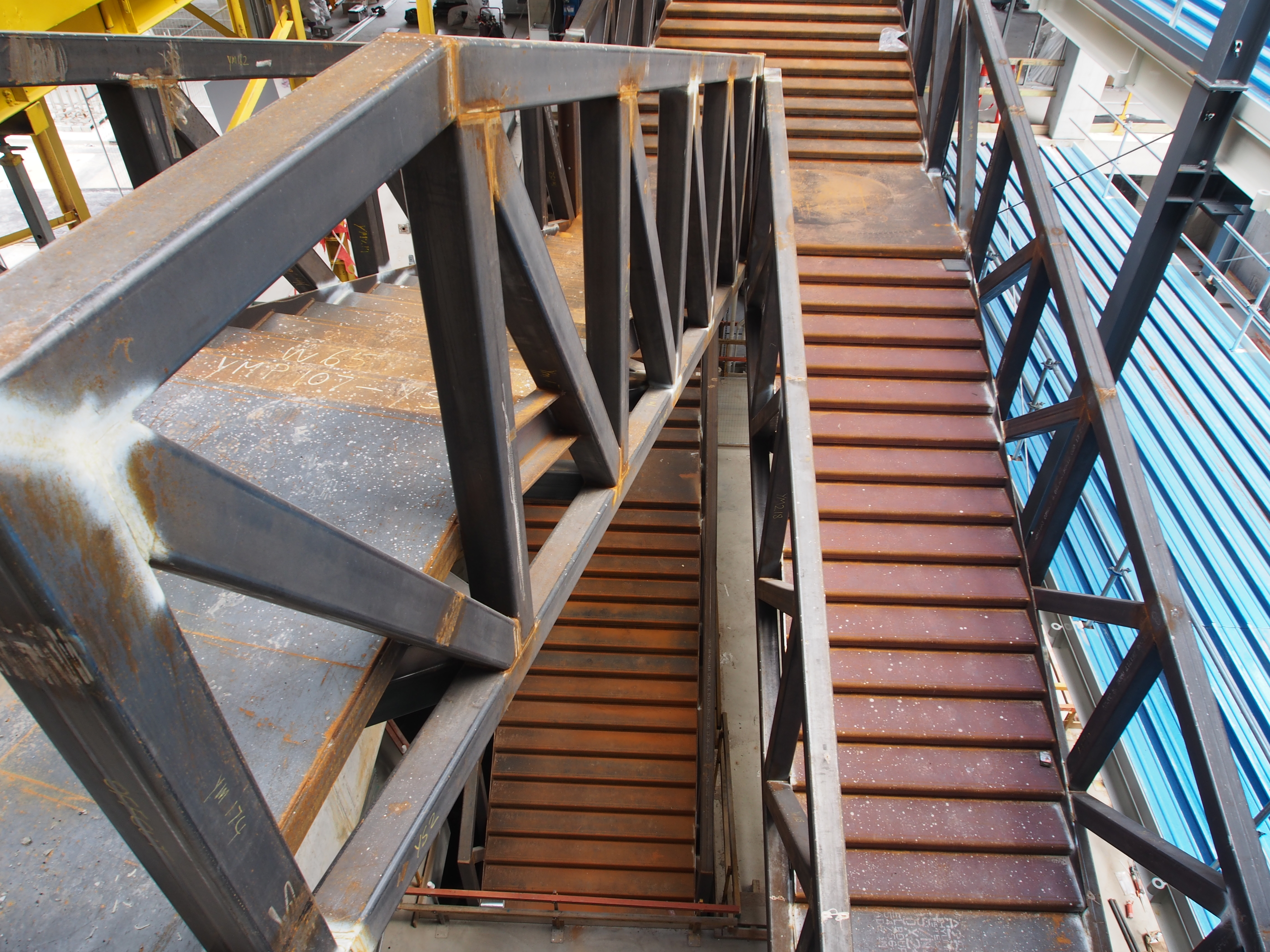
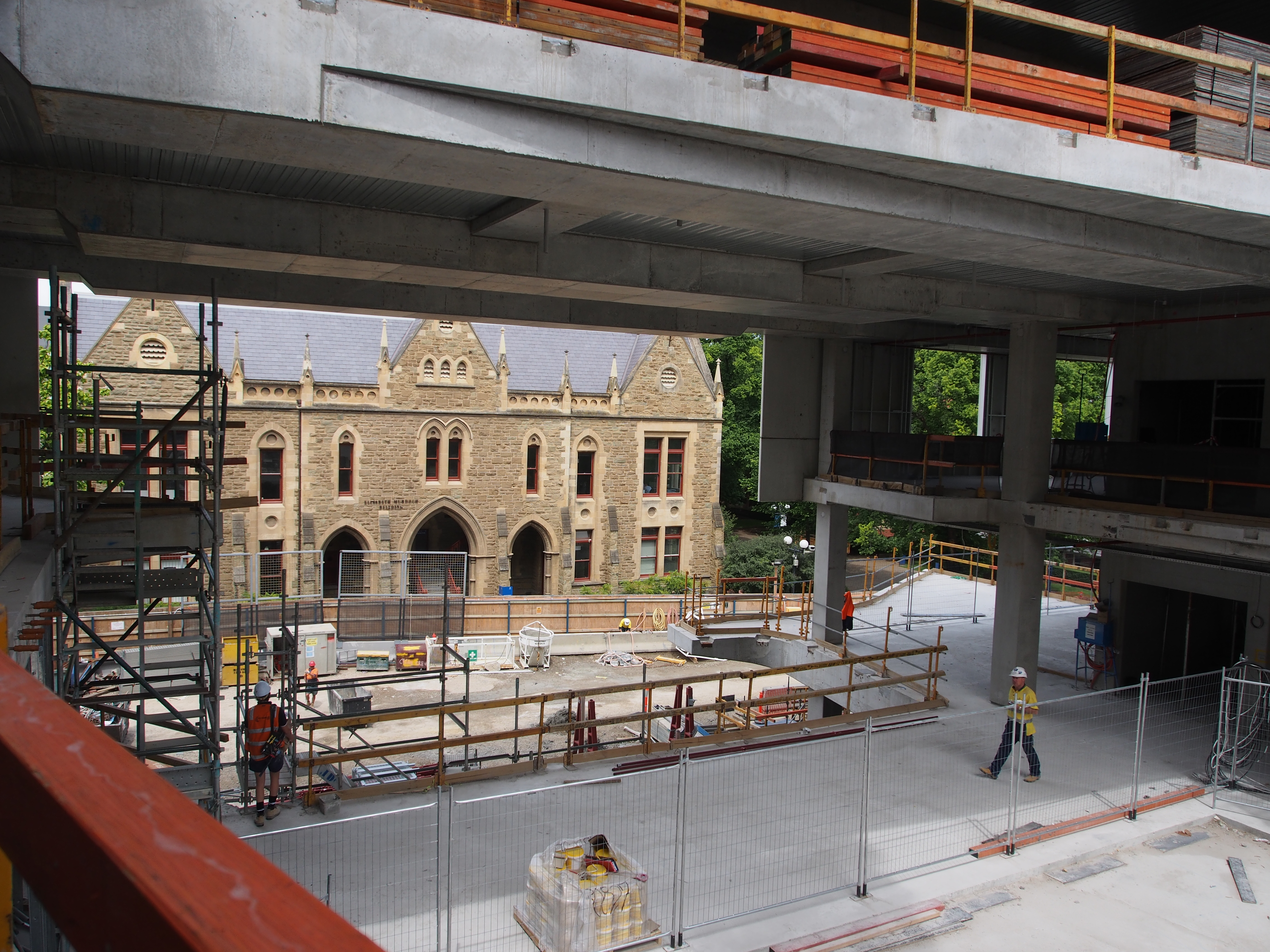
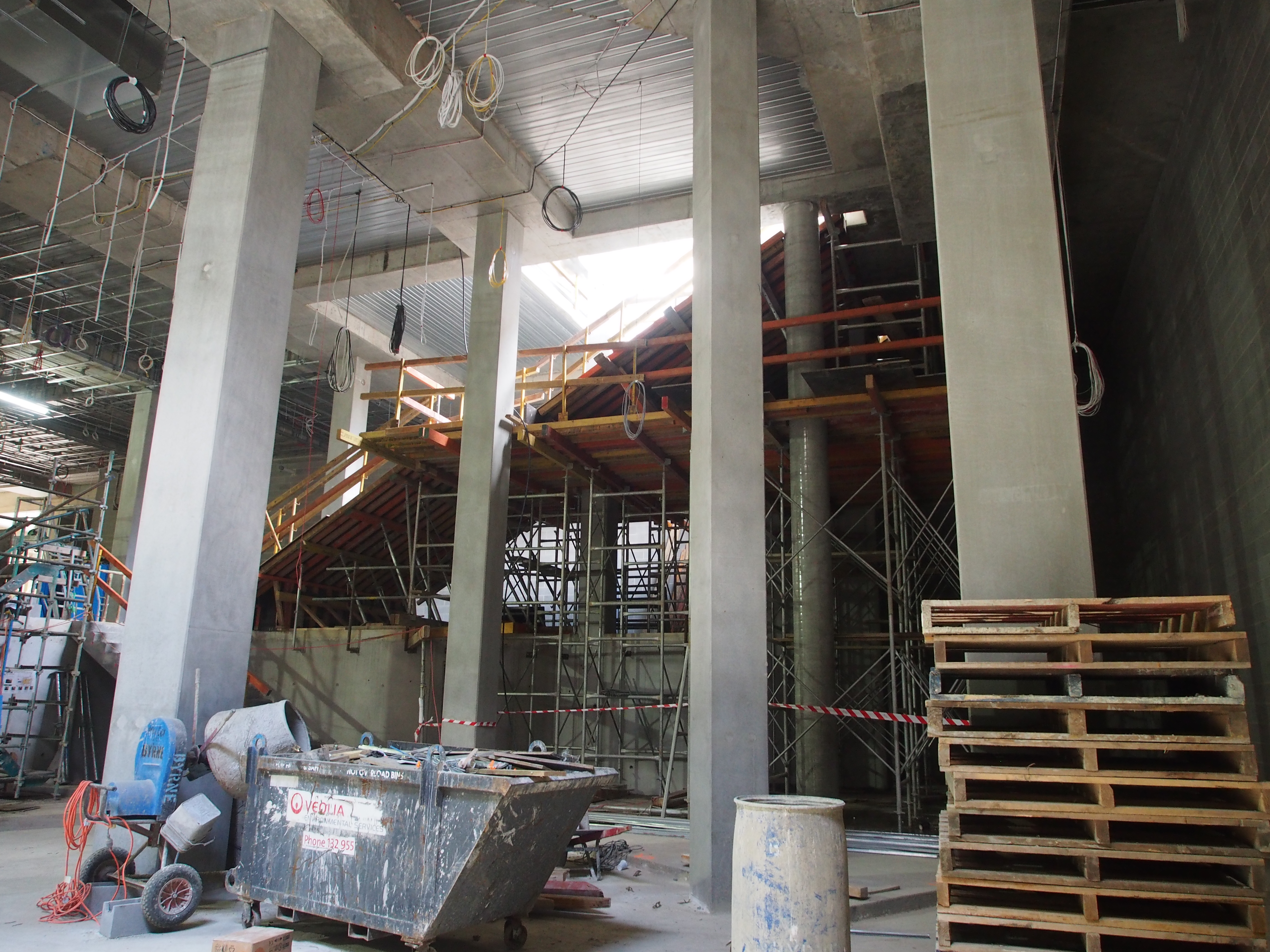
Melbourne University Construction Progress

Posted on November 26th, 2013 by achang

Posted under: _Melbourne School of Design, construction

OLYMPUS DIGITAL CAMERA

OLYMPUS DIGITAL CAMERA

OLYMPUS DIGITAL CAMERA

OLYMPUS DIGITAL CAMERA

OLYMPUS DIGITAL CAMERA

OLYMPUS DIGITAL CAMERA

JWA in collaboration with NADAAA.  Photo credit: Multiplex

Comments Off on Melbourne University Construction Progress