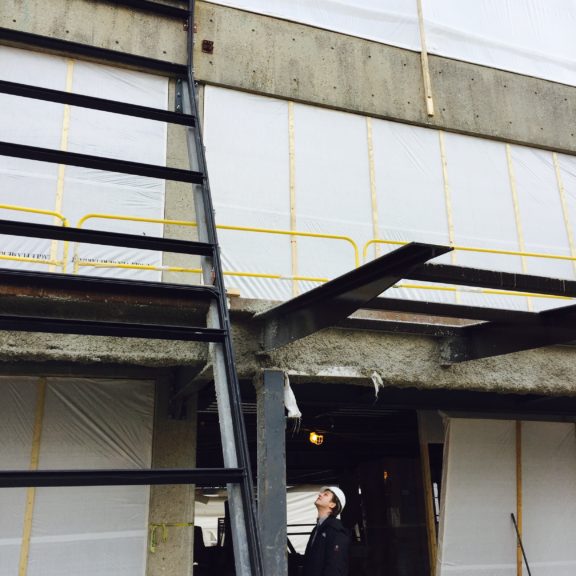
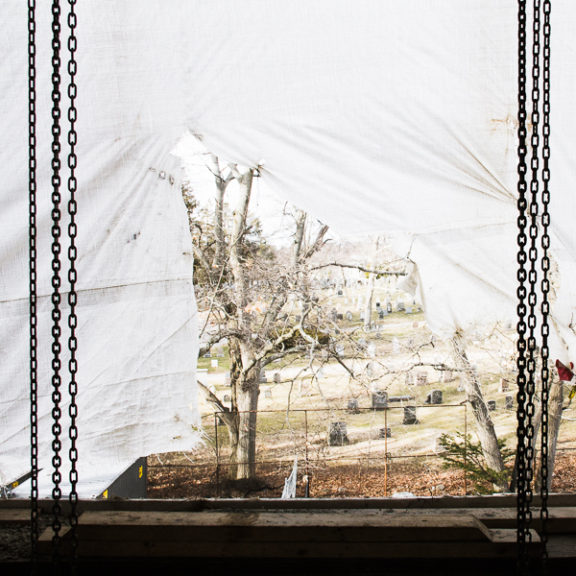
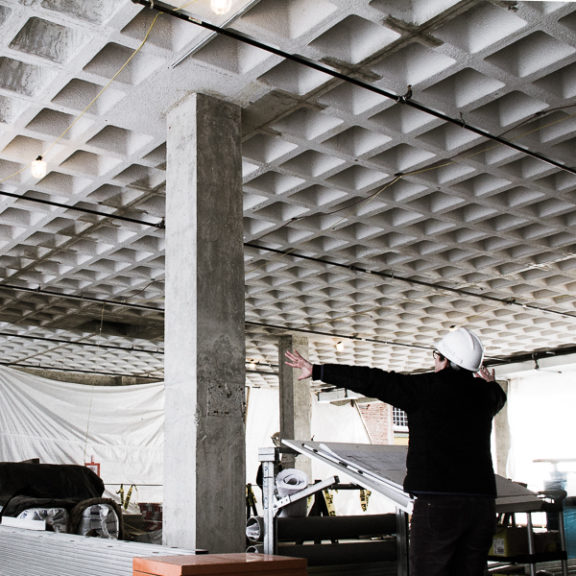
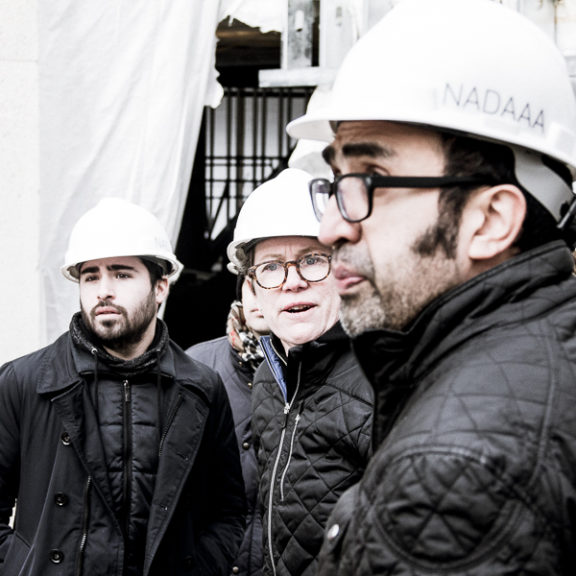
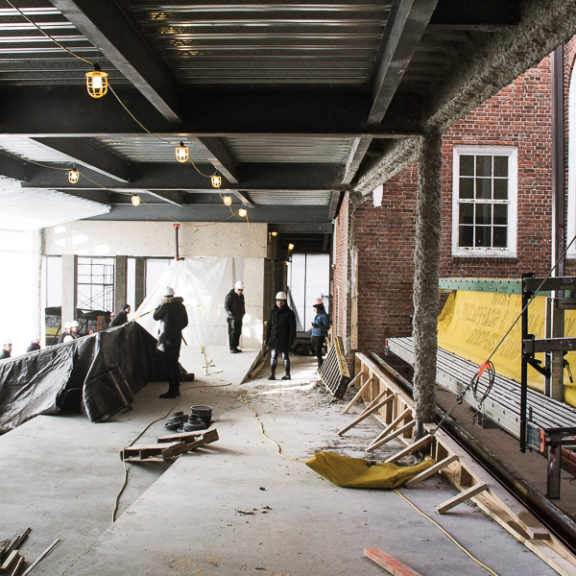
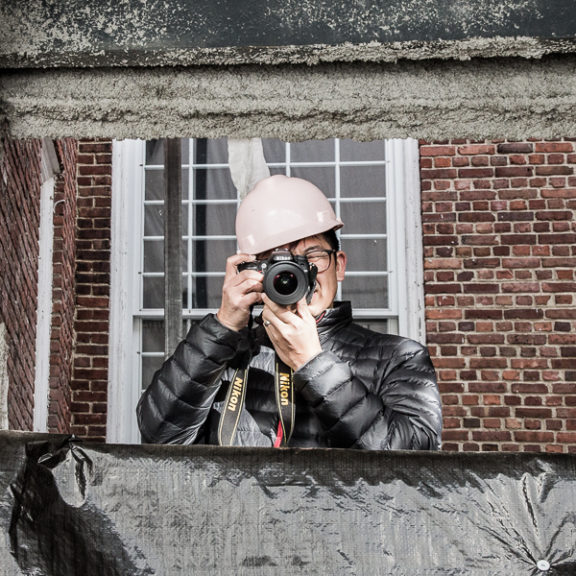
We took an office trip today to check out construction progress at Beaver, Gretchen gave us a tour.
cracks!

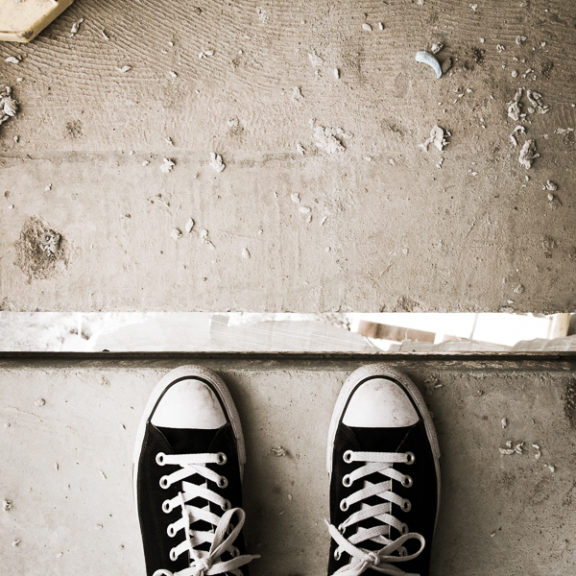
future ramp
Comments Off on OFFICE VISIT TO BEAVER
We took an office trip today to check out construction progress at Beaver, Gretchen gave us a tour.
cracks!
future ramp
Comments Off on OFFICE VISIT TO BEAVER
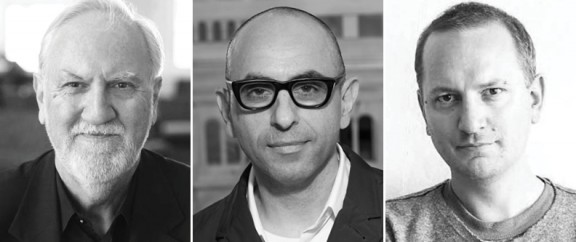
Nader is presenting NADAAA’s work at a public lecture on April 5th at the Cooper Union as part of The Architectural League’s Current Work series. An introduction will be given by Anthony Vidler and a post-lecture conversation will be moderated by Florian Idenburg. This lecture is co-sponsored by The Irwin S. Chanin School of Architecture of The Cooper Union. Tickets will be available late March HERE.
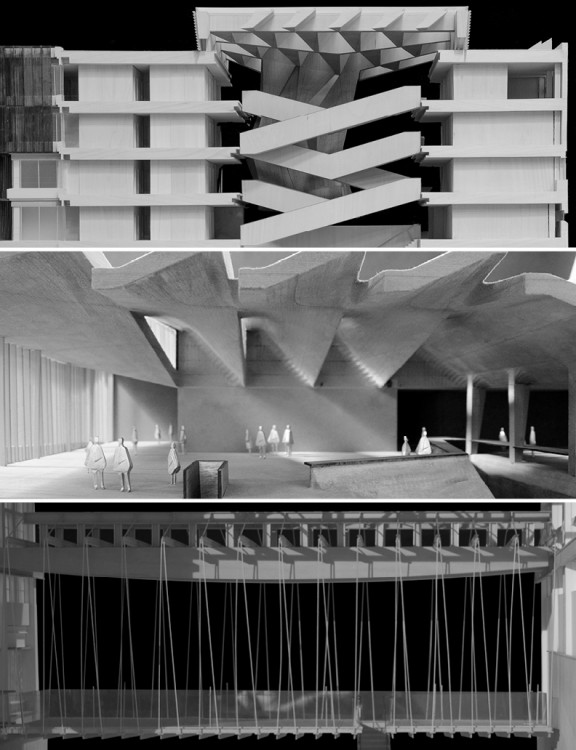
Comments Off on SAVE THE DATE: ‘Current Work: Schools of Thought’

Curated and prepared by Michael Meredith, the ‘Beyond The Harvard Box’ exhibition and Symposium, now a decade old, included a range of critical voices from the Modern era –among them, Edward L. Barnes, John Johansen, I.M. Pei, Ulrich Franzen, Paul Rudolph and Victor Lundy– whose voices were an important part of the evolution of the canons to which they responded.
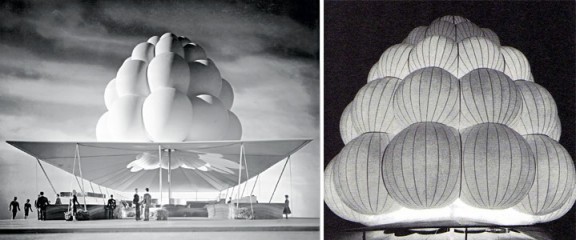
Air Flowers, New York World’s Fair, 1964
Of them all, Lundy stands out for his persistent attention to material agency: the careful engagement of material technologies as the prerequisite to design. What Lundy’s work demonstrates is the possibility that rules of composition, whether classical or modern, do not necessarily need to preempt design approaches, but rather that the discrete and incremental unit of material organization can become the DNA that enables multiple compositional predispositions. For this reason, even though many of Lundy’s buildings manifest well-known figurative and monumental strategies, they also reveal how material units offer many alternative formal, spatial and organizational potentials.
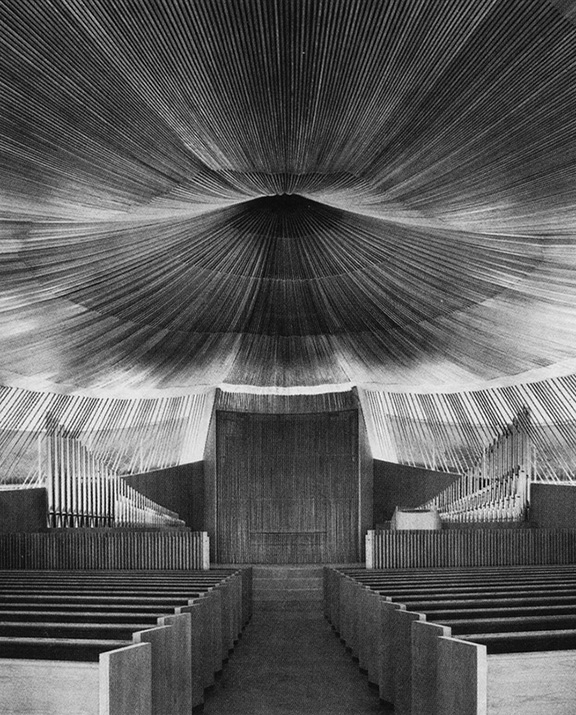
Unitarian Meeting House, Hartford, Connecticut, 1964
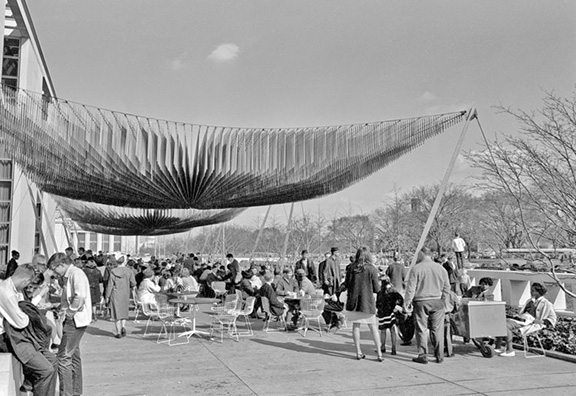
Canopies, Museum of History and Technology, now known as the National Museum of American History, c. 1967
The work itself is also characterized by an authorship that denies signature in the form of a common style or singular voice; instead each project achieves a material sensibility that emerges from operations on material behavior, methods of aggregation, and their requisite formal malleability. As such, its part to whole relationships enjoy the same precision as Mies Van der Rohe’s work, but its formal and figurative ambitions are more aligned with the type of exploration that Le Corbusier might have entertained. At the same time Lundy’s materiality suggests a texture and density that only Aalto would have engaged, but in Lundy’s hands it is much more intellectually targeted and materially restrained. These composite characteristics make Lundy less prone to easy characterization and, in turn, less consumable. In great part, this is why he did not reach the pantheon of the great modernist architects or achieve a wider audience, but if seen from the viewpoint presented here, he exemplifies a paradigmatic position that in hindsight has become a classic.
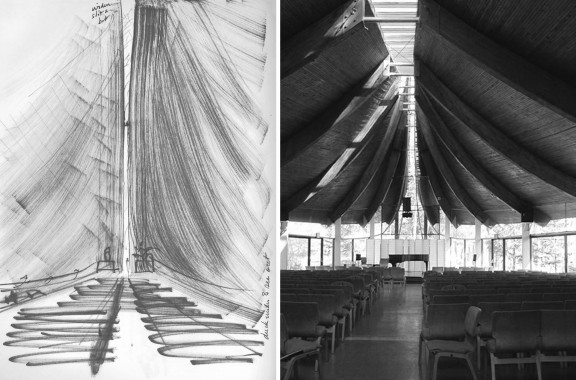
First Unitarian Church, Westport, CT, 1960
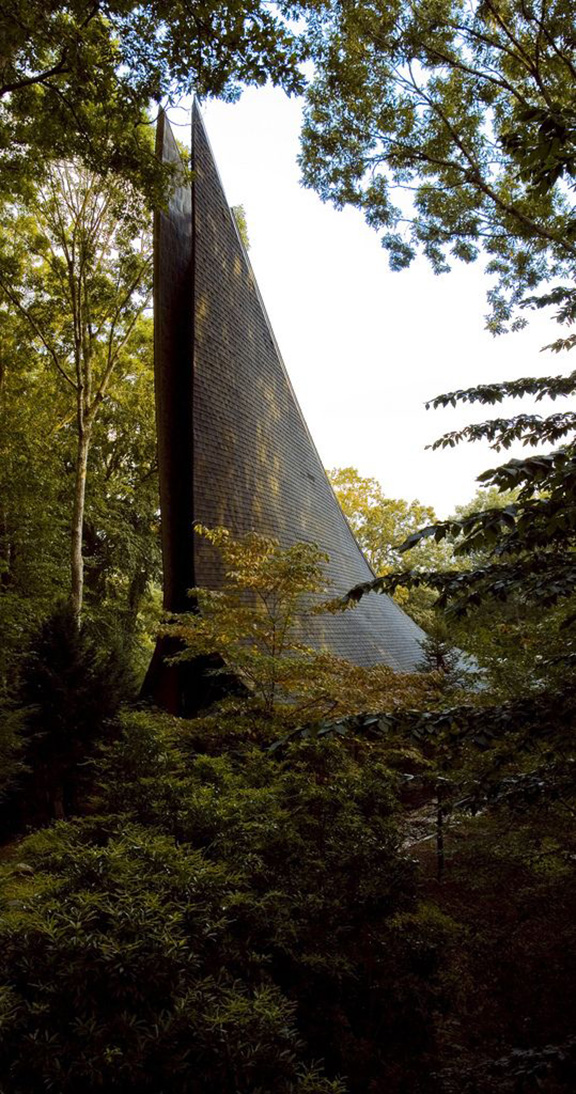
From the perspective of our own research, the connections are obvious, but one can extend this lineage to protagonists like Herzog & de Meuron before us who realigned thinking in relation to materials— to a younger generation of architects after us, like Skylar Tibbits who have been rethinking material behavior at the molecular level. Looking back at the video of the Symposium, what is startling, and humorous, is my desperate attempt to draw out this thesis from Lundy himself, alas to futility. His intellectual project is implicit, even in those moments when he refutes them, or so I hope, as they emerge from the precise constructive composition of the work itself.

IBM Garden State Office, Cranford, NJ, 1965
Comments Off on Reflecting on Victor Lundy and ‘Beyond the Harvard Box’
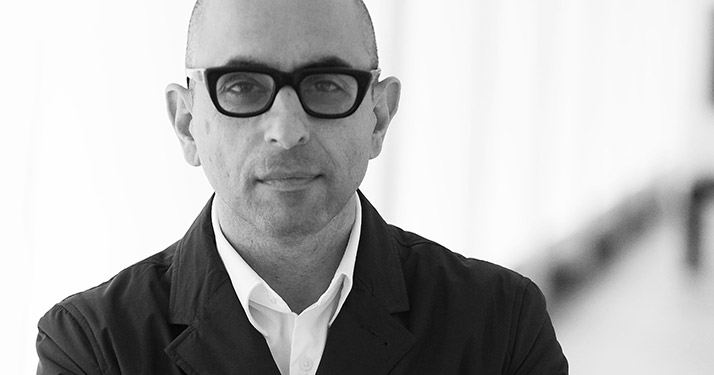
Nader will join Nina-Marie Lister of Plandform, Alessandro Munge of Studio Munge, Theo Richardson of Rich Brilliant Willing, and Michael Vanderbyl of Vanderbyl Design to jury AZURE Magazine’s 2017 AZ Awards. Read more HERE.
Comments Off on NADER TO JURY AZ AWARDS
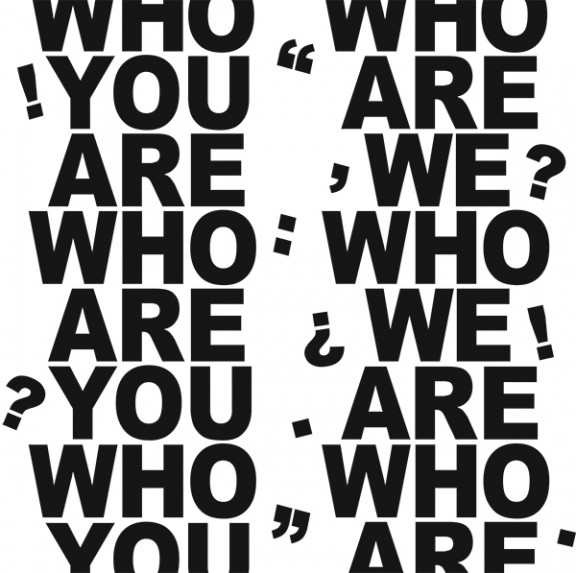
Yale School of Architecture’s MArch I student Wes Hiatt interviews Nader on “the architect’s engagement with the politics of identity” in this month’s issue of their publication Paprika!
Read the full interview HERE. 
Comments Off on Nader on “Identity” in Yale’s Paprika!
The structure for the new third floor addition and the northern facade profile are in place.
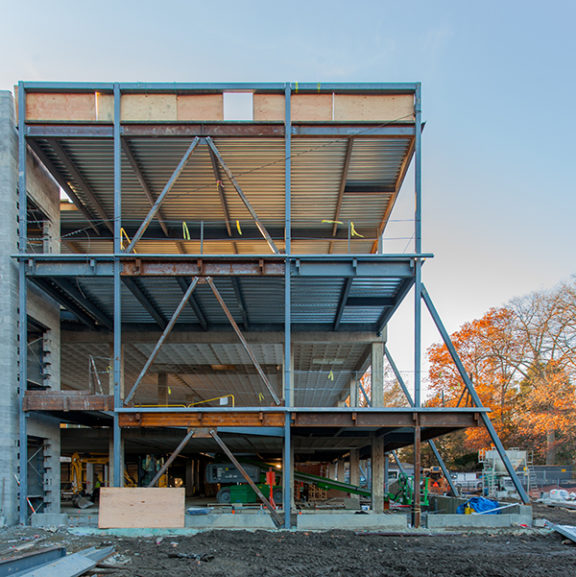
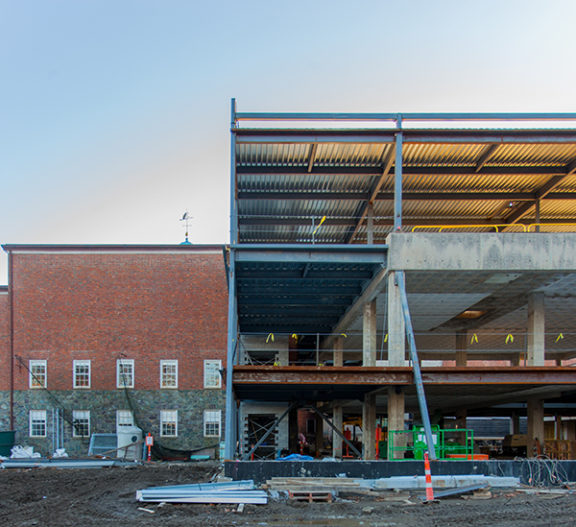
Bleacher structure in place
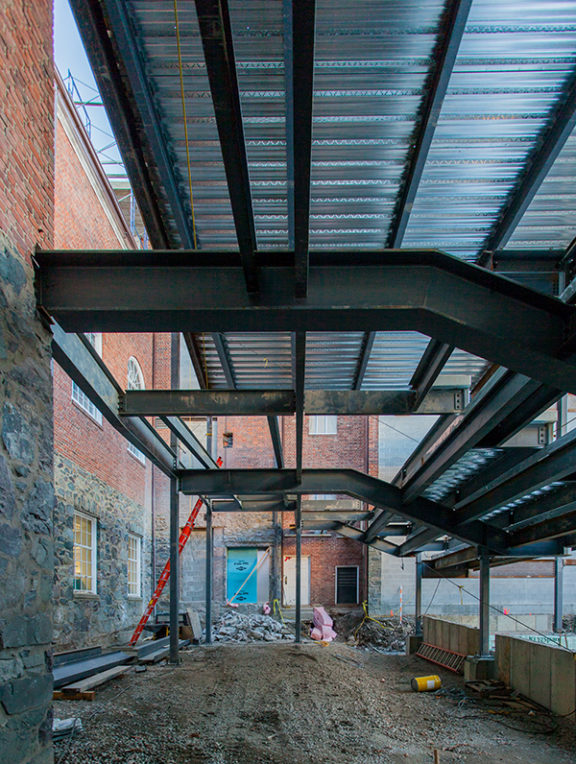
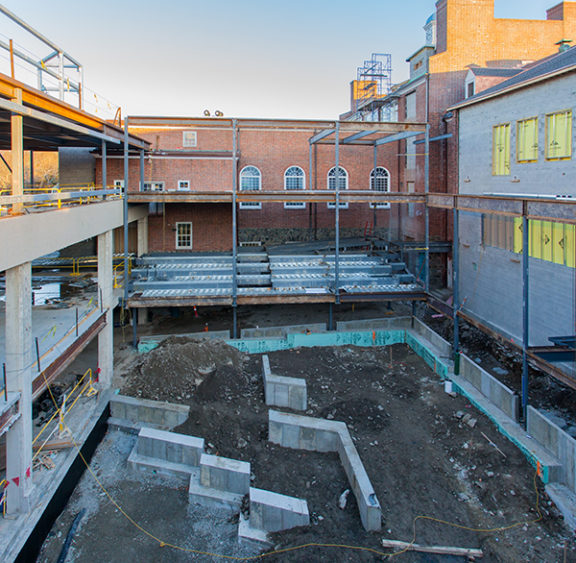
Photos by Erica Dorenkamp
Comments Off on BEAVER CONSTRUCTION UPDATE
The existing 2-story library wing at Beaver Country Day has been stripped down to the structure!
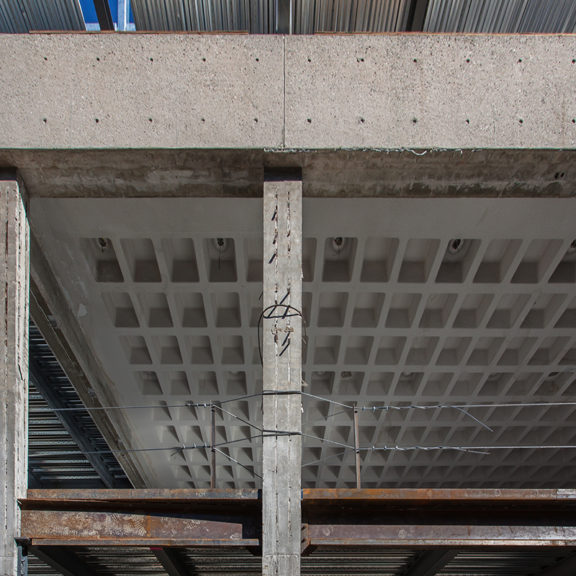
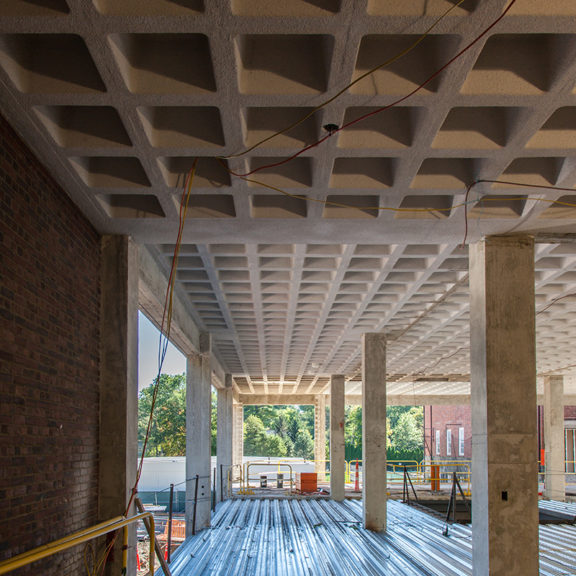
And the old classroom building!
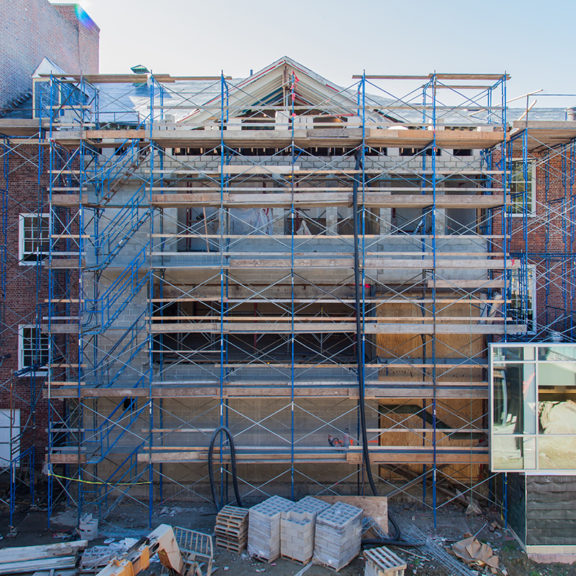
Photos by Erica Dorenkamp
Comments Off on STRIPPED DOWN!
Comments Off on NADER TEHRANI ON THE GREG LYNN SHOW
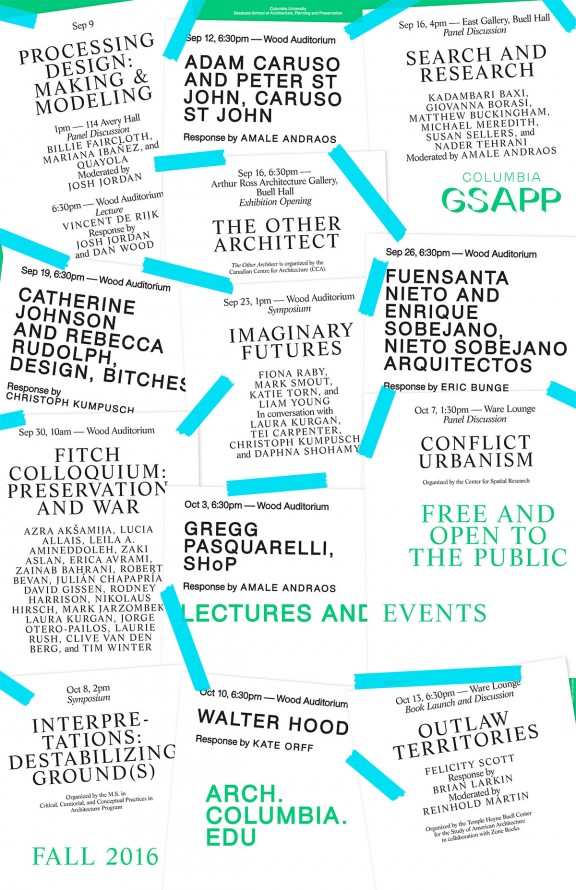
On Friday Nader will join Kadambari Baxi, Giovanna Borasi, Matthew Buckingham, Michael Meredith, and Susan Sellers for a Panel Discussion titled “Search and Research” at Columbia’s GSAPP. The discussion will be moderated by Amale Andraos, Dean of GSAPP and will be held in the East Gallery of Buell Hall at 4pm.
The event is held in conjunction with the opening of The Other Architect at the Arthur Ross Architecture Gallery. The exhibition is organized by the Canadian Centre for Architecture (CCA) and curated by Giovanna Borasi.
Comments Off on ‘Search and Research’ at GSAPP
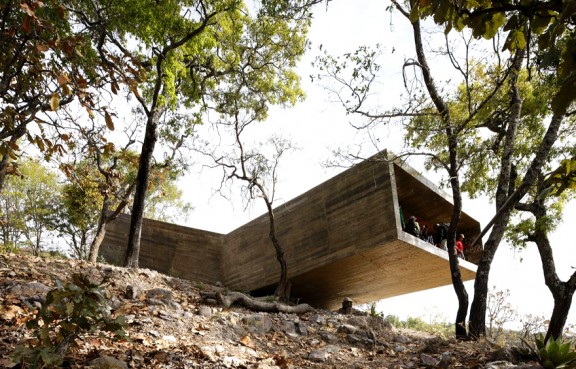
On September 22nd together with The Architectural League of New York, Nader will be hosting Alejandro Aravena at the Cooper Union for a conversation about ELEMENTAL’s Current Work.
The converstation will take place in The Great Hall at The Cooper Union at 7 East 7th Street at 7pm. Learn more about the event here. GET TICKETS by registering on Eventbrite.
Comments Off on Nader and Alejandro at Cooper