
Nader Tehrani was able to snap this shot during his recent visit to Australia in Anglesea.
Comments Off on Anglesea Australia rainbow
Nader Tehrani was able to snap this shot during his recent visit to Australia in Anglesea.
Comments Off on Anglesea Australia rainbow
In an article titled “What Happened to Downtime? The Extinction of Deep Thinking & Sacred Space,” author Scott Belsky talks about the loss of the freedom which comes with being disconnected, lamenting:
“…despite the incredible power and potential of sacred spaces, they are quickly becoming extinct. We are depriving ourselves of every opportunity for disconnection. And our imaginations suffer the consequences.”
Many of the recent projects seen in academia and design blogs seem to point to a culture that idolizes a life that is highly connected. However, it seems as though there is a great need in ALL of our lives for a place of respite where we can shield ourselves from being bombarded with varying spectrum of digital frequencies, untangle our bodies from the swarm of wires connecting our “iGadgets” to the greater world beyond. If not for the betterment of our physical health but also for the preservation of our own sanity.
Perhaps it is worth starting the conversation in academia, profession and the blogs about the nature of sacred spaces in our built environment, domestic and public alike, in order to address a true social necessity that architects CAN affect directly.
Comments Off on A Case for the Sacred
Ice Cube on Eames Case Study House #8
“Before I did rap music, I studied architectural drafting . . . and one thing I learned is that you always got to have a plan.”
Comments Off on One man’s eye sore is another man’s paradise
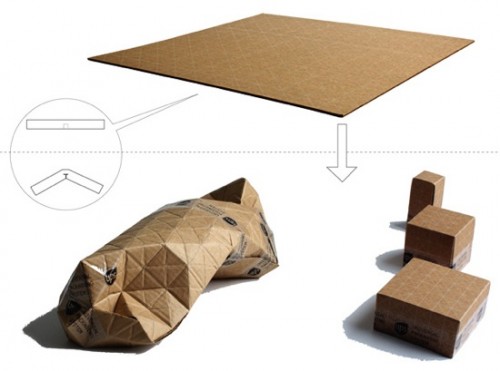
Recently found “pleatfarm” online, a design blog devoted to a single operation: pleating (or, mani-folding?). There is a remarkable diversity of projects that fit within this focused framework, involving folds, bends, corrugations, darts, tesselations, riemann surfaces, monocoques, etc., etc. These are not sartorial metaphors, they are real (and efficient) ways to enclose and structure space/form. Pleatfarm is a great reference of bespoke folding recipes and applications. A couple of my favorites:

Comments Off on Pleat Blogging
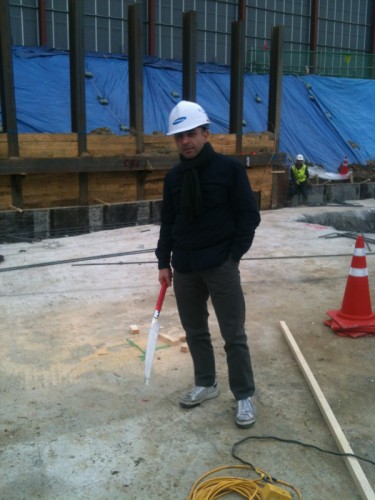
Here is a photo of Nader after digging the hole for Samsung.
Comments Off on Samsung Raemian Model Home Gallery Site Visit
Students at Georgia Tech College of Architecture use found plastic items such as bottles and hangers to create large installations in the Hinman Research Building.
Comments Off on Bottles and Hangers
Melbourne Uni’s architecture, building and planning facility (by John Wardle Architects and NADAAA), is included in a group of new projects planned for Melbourne, Australia that will create new design and technology centers in the city. Read the an article on these new buildings in The Age.
Comments Off on New research and design centers in Melbourne, Australia
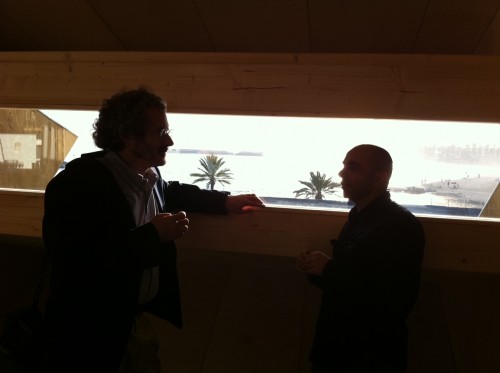
Neil Gershenfeld (the Director of MIT’s Center for Bits and Atoms) meets with Nader Tehrani and Vicente Guallart in the Fab House 2 this week while at the Smart City Expo World Congress 2011 in Barcelona.
Comments Off on FabLab House Barcelona
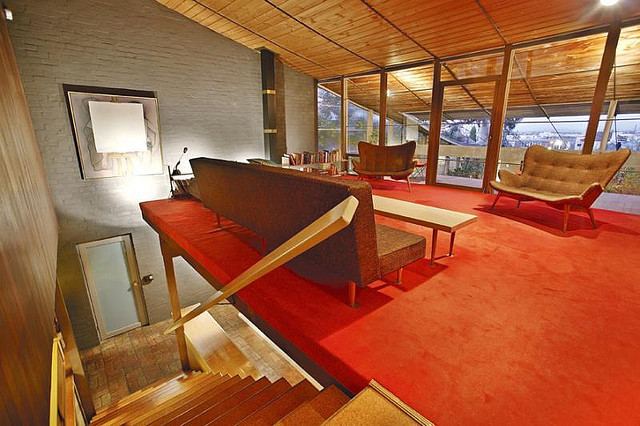
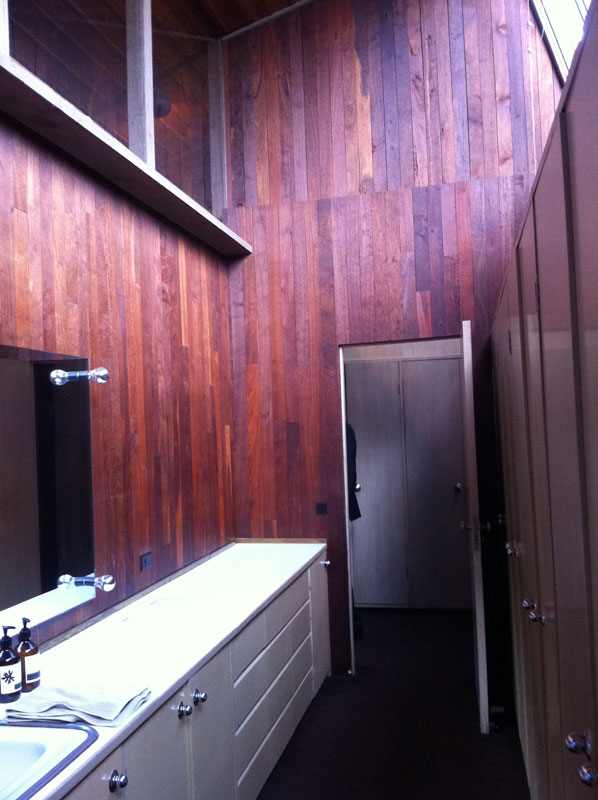
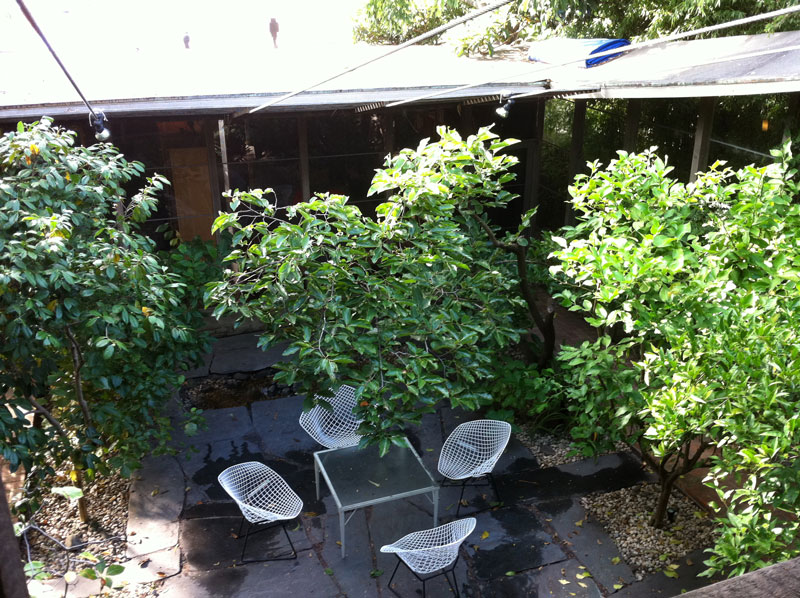
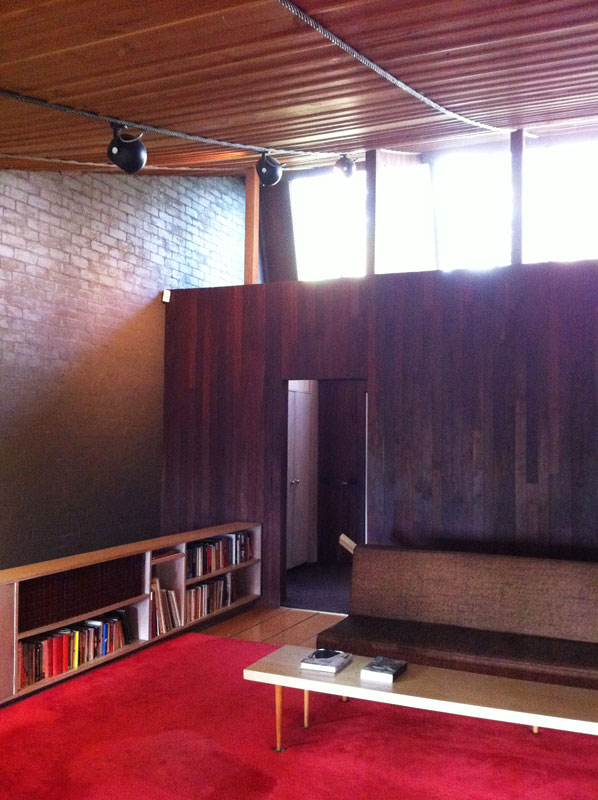
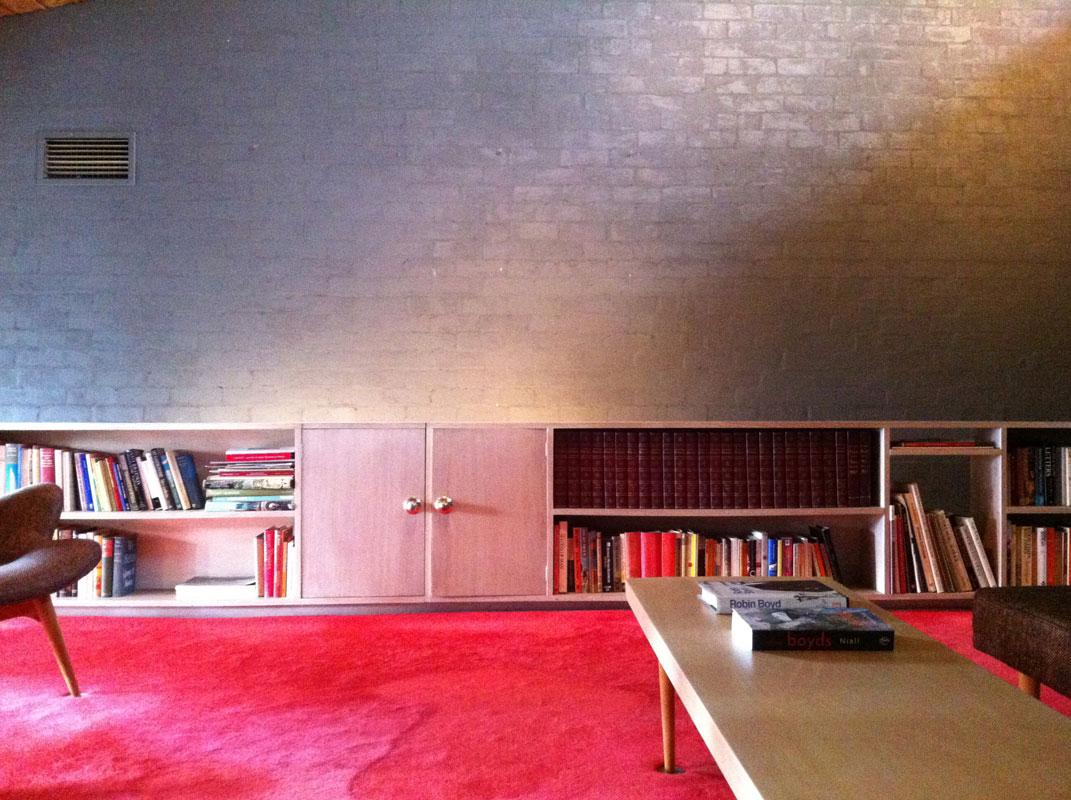
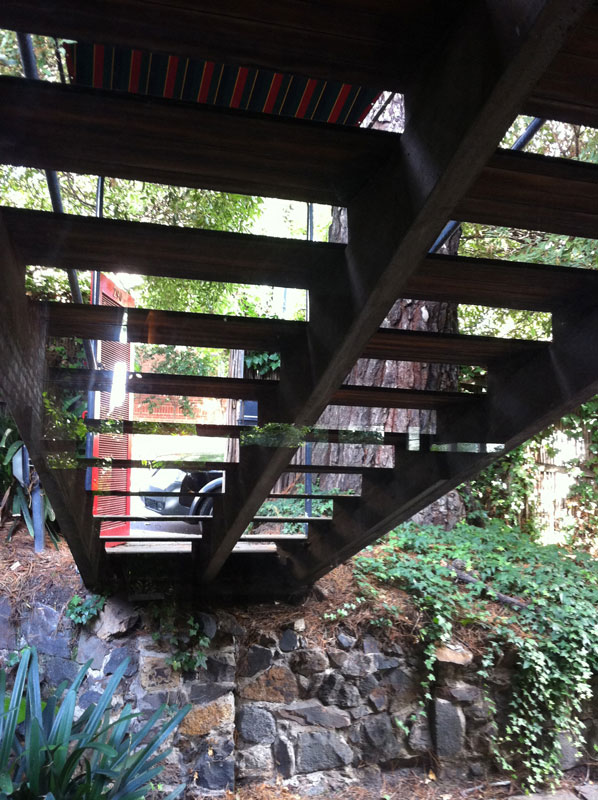
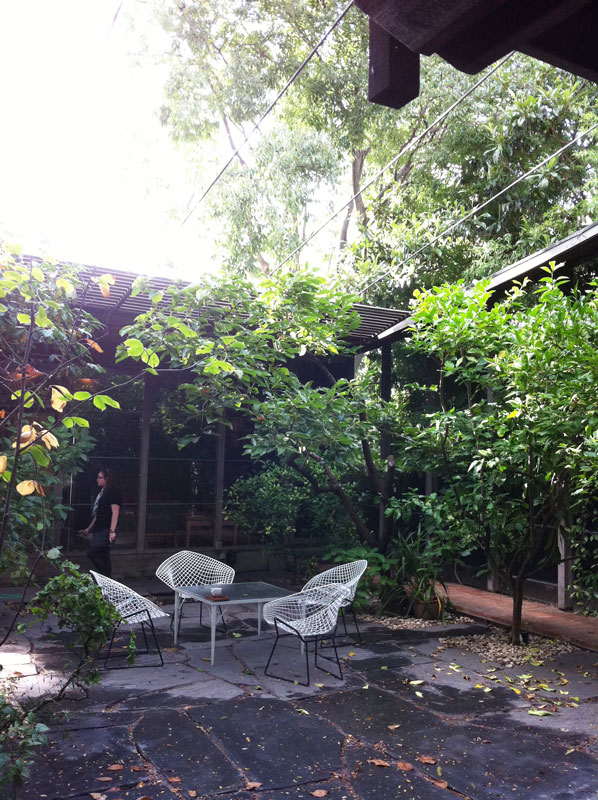
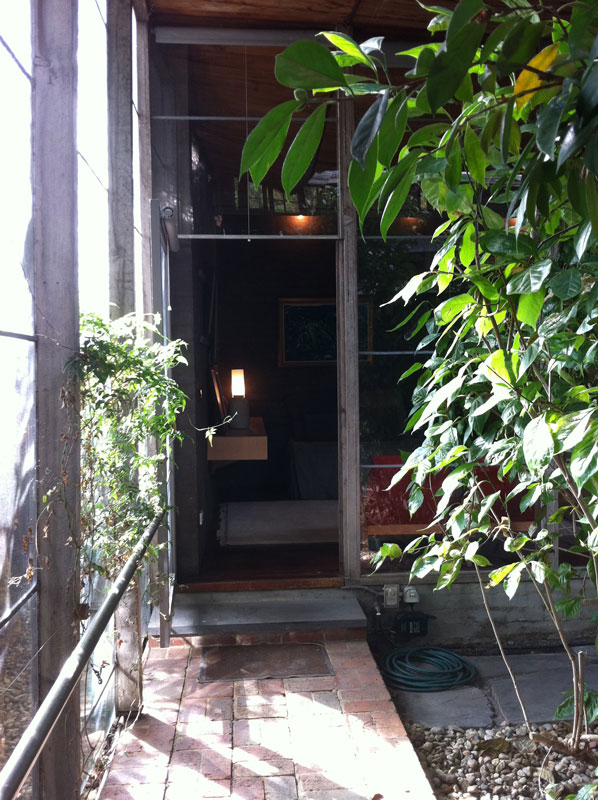
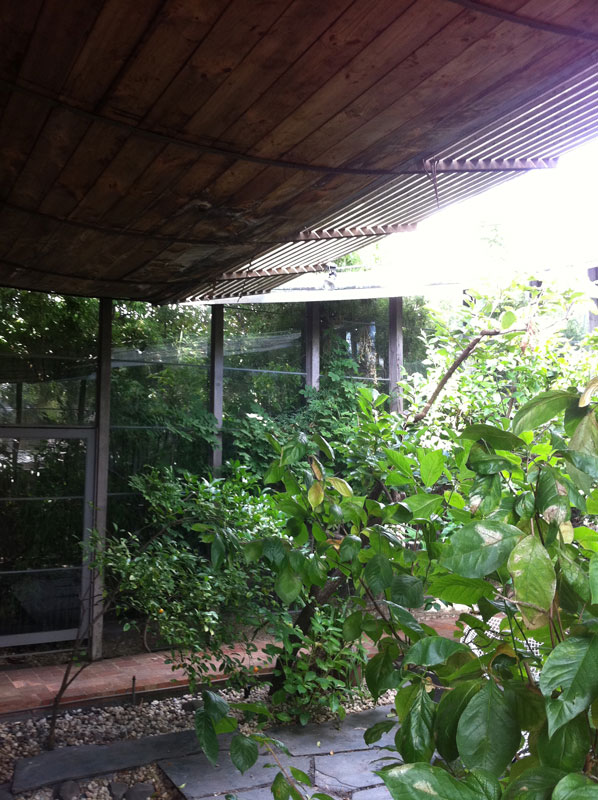
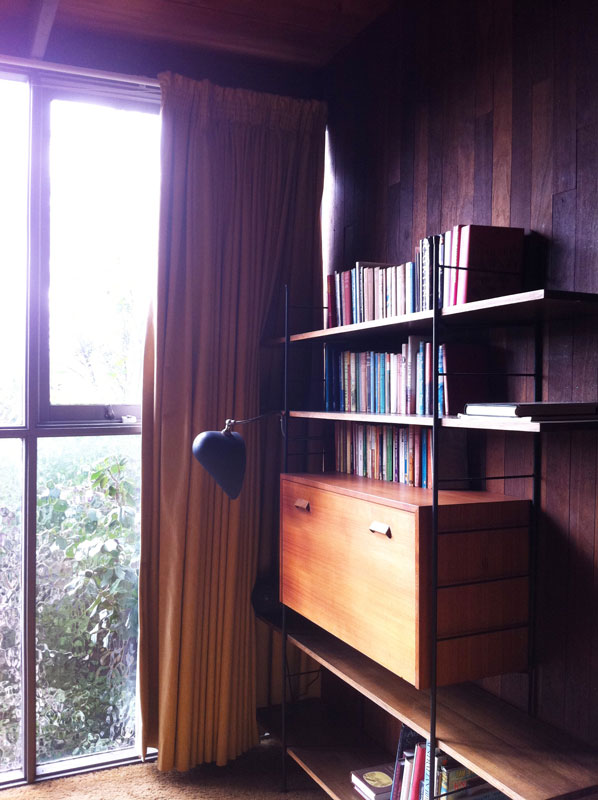
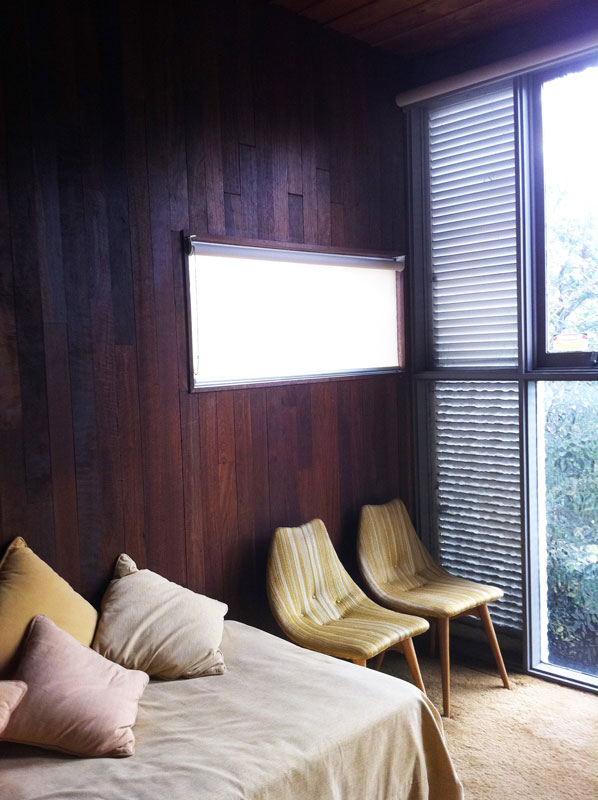
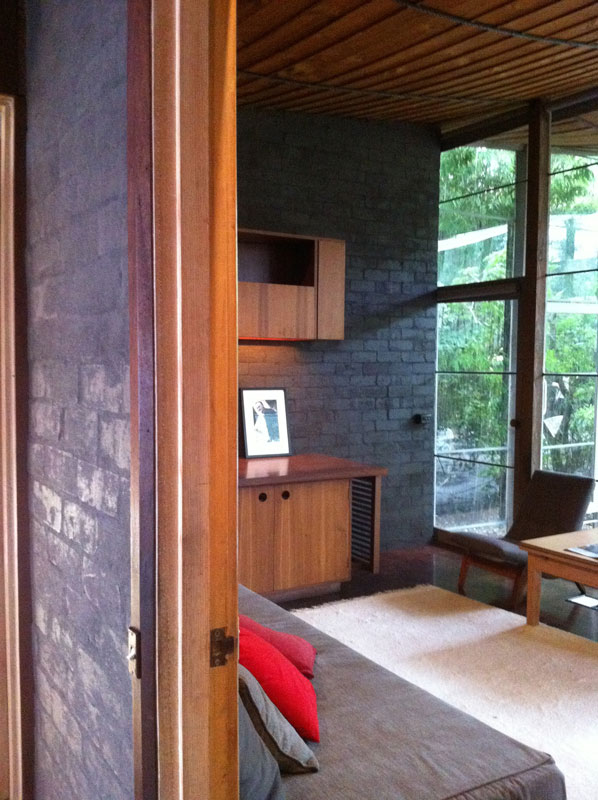
I’ve always considered Robin Boyd (1919-1971) to be Melbourne’s version of a modernist hero.
This isn’t to say that I’ve necessarily idolised his work; but his role in public architectural discourse post-WWII has led to him being perhaps the best-known architectural figure for the Baby Boomer generation (along with Glenn Murcutt and Harry Seidler).
He worked across many scales and media; most widely known for his residential work (the national residential award is named after him) he also worked alongside contemporaries Frederick Romberg & Roy Grounds; presented design on television; and wrote an influential book, The Australian Ugliness that took to task the suburban aesthetic of Melbourne architecture.
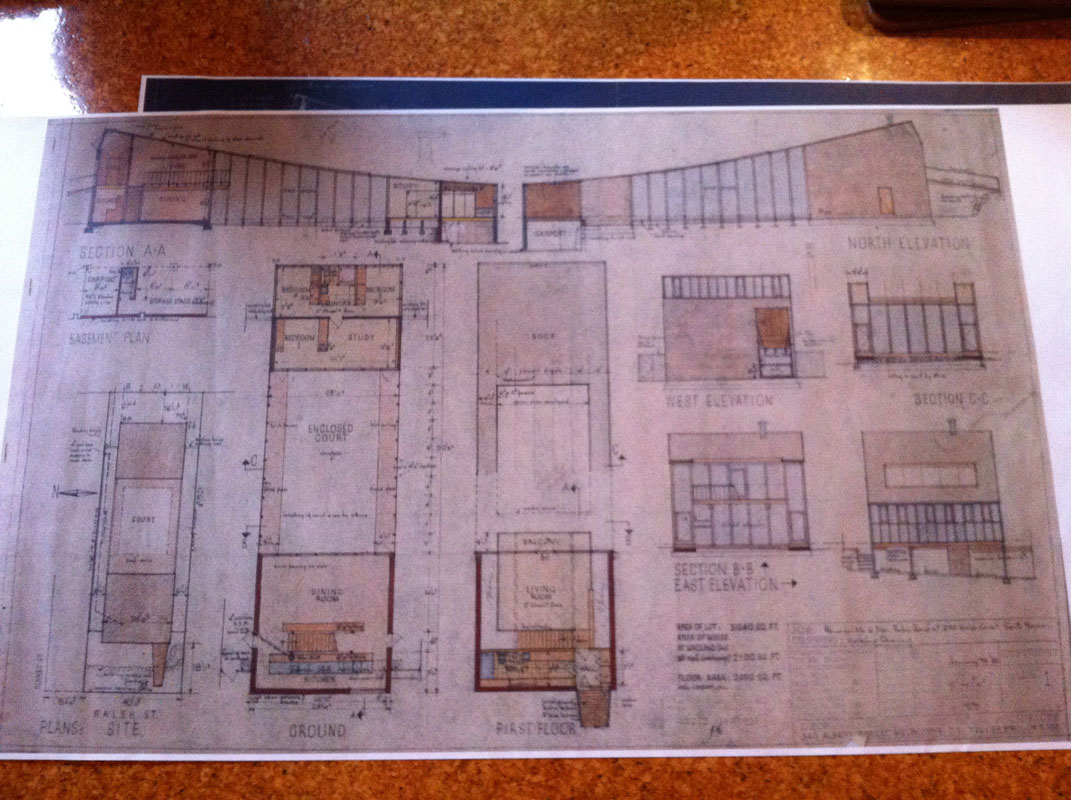
Of particular interest is the work he did setting up the Small Homes Services while Director of the Royal Victorian Institute of Architects.He along with some other architects developed off the plan modernist designs for people to buy and build. The group invited architects to submit their own designs and curated those available to the public, Boyd presenting them in his articles in The Age Newspaper and selling the construction drawings.
(He also lectured at MIT for a couple of years in the late 50s).
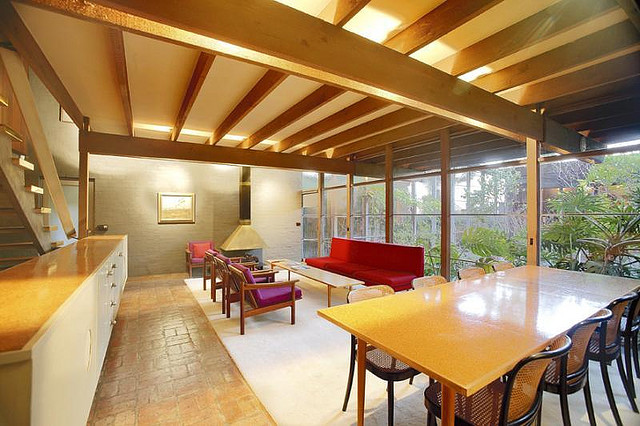
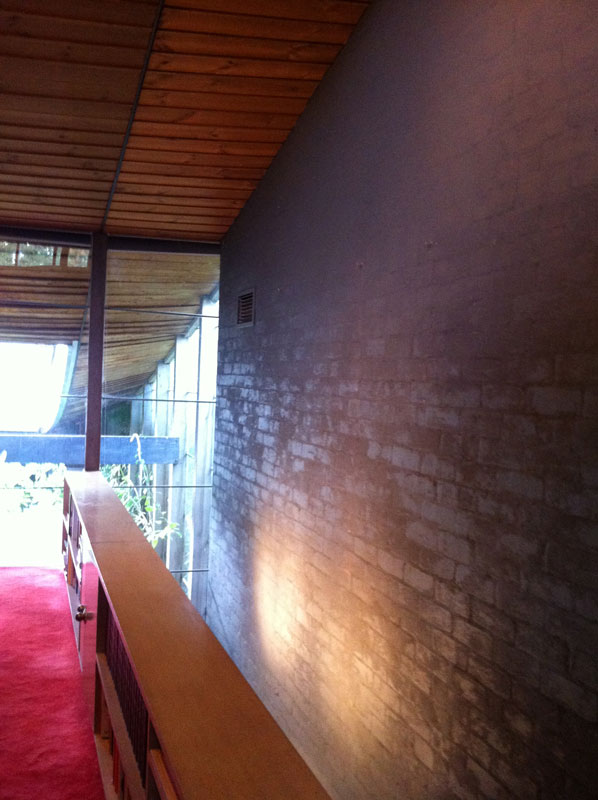
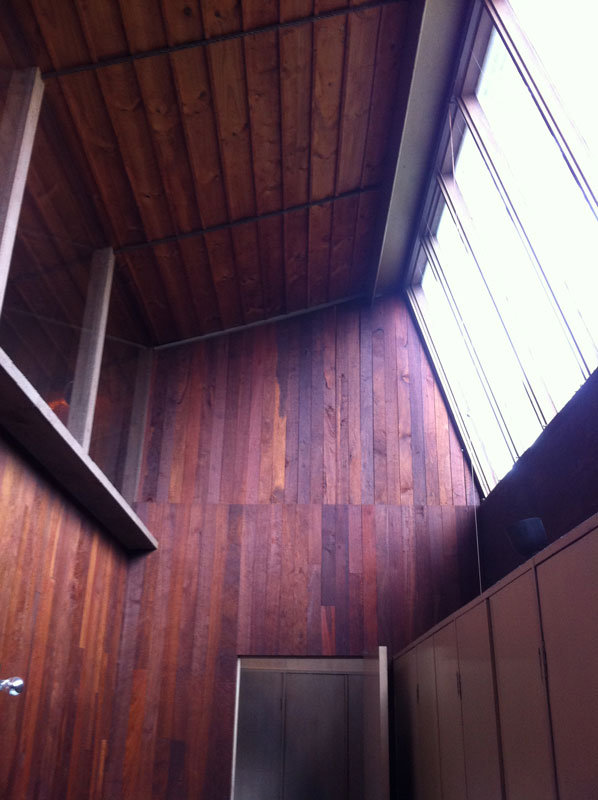
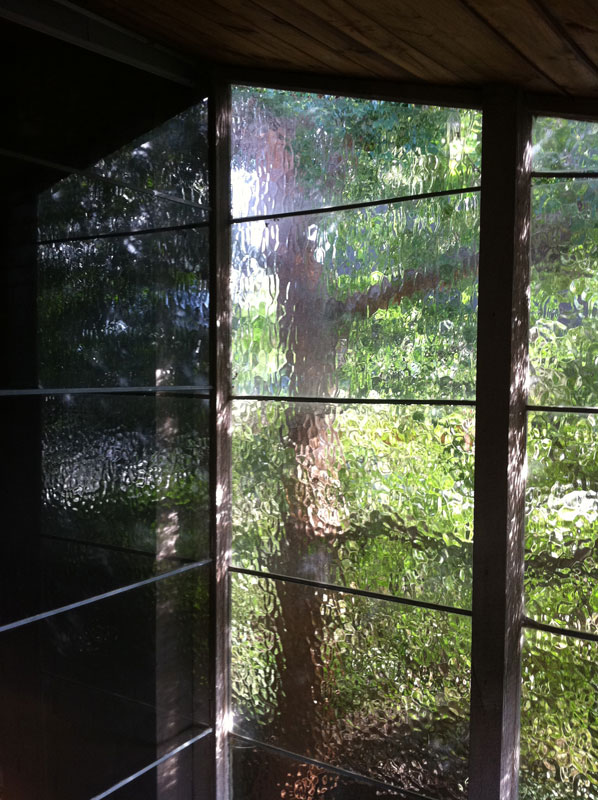
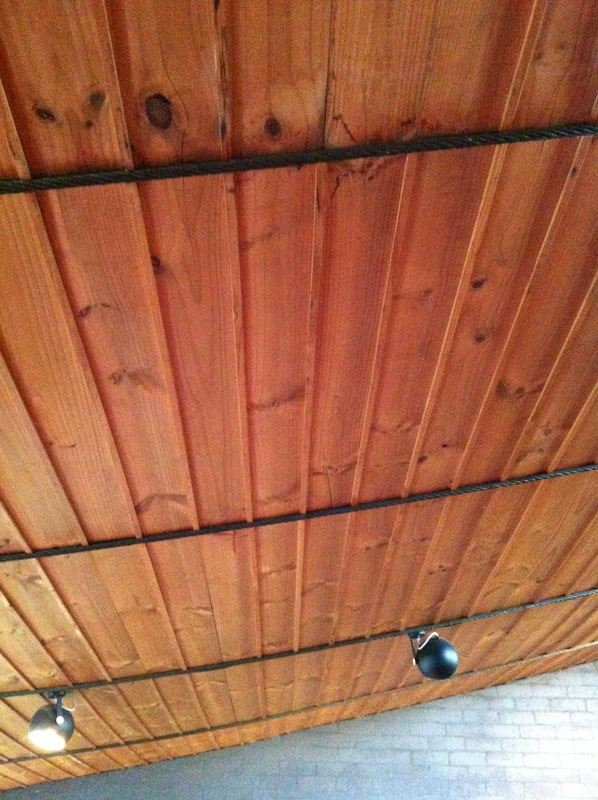
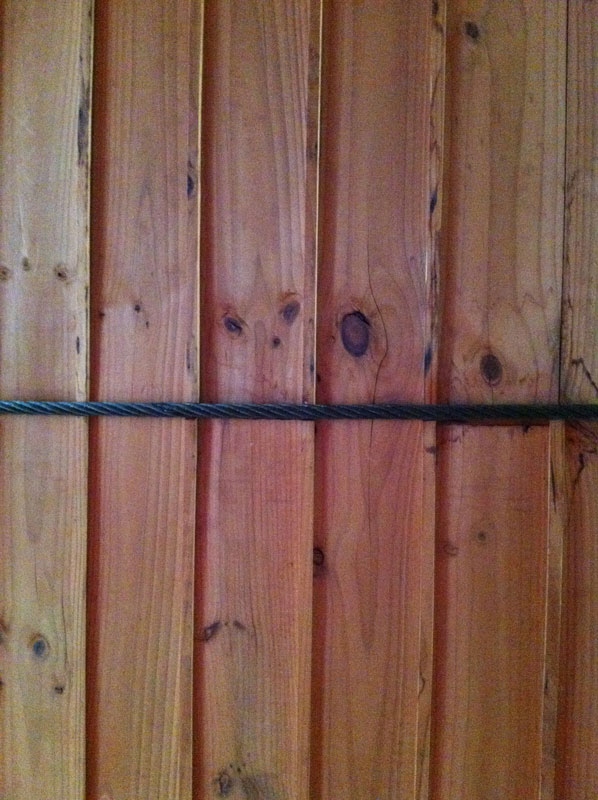
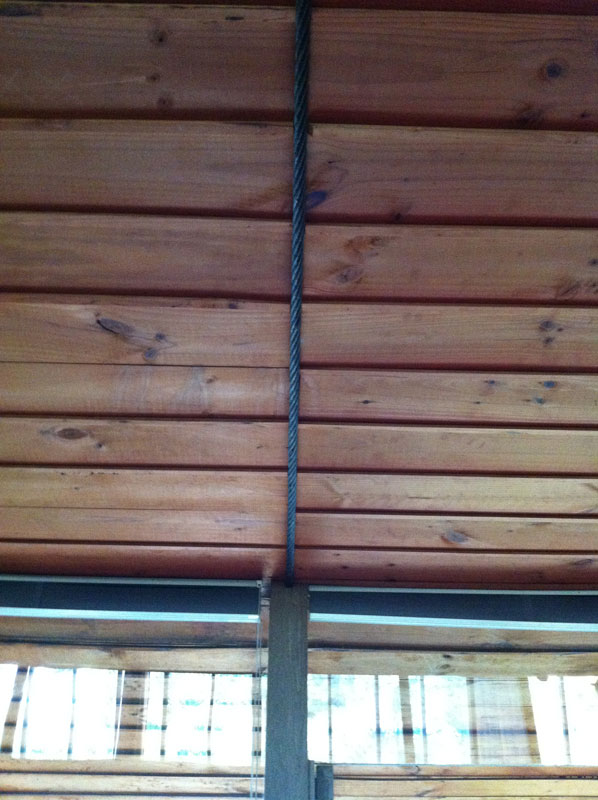
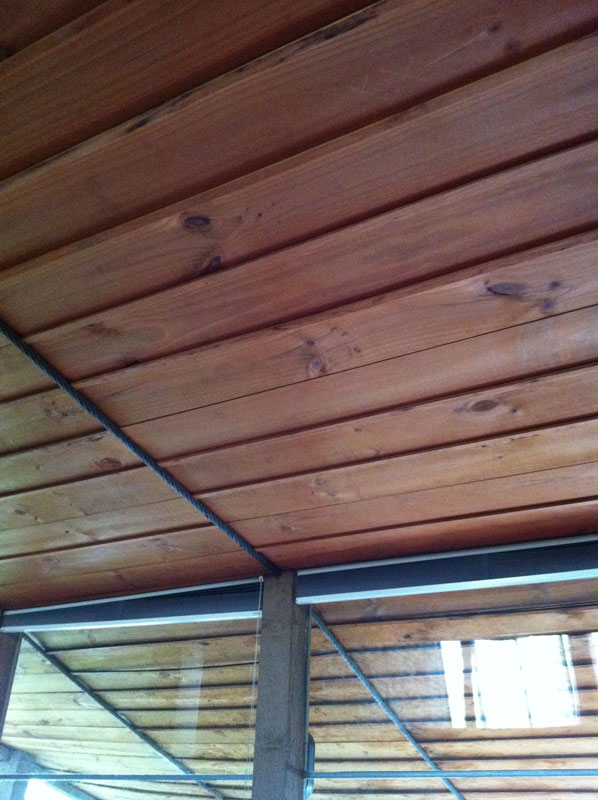
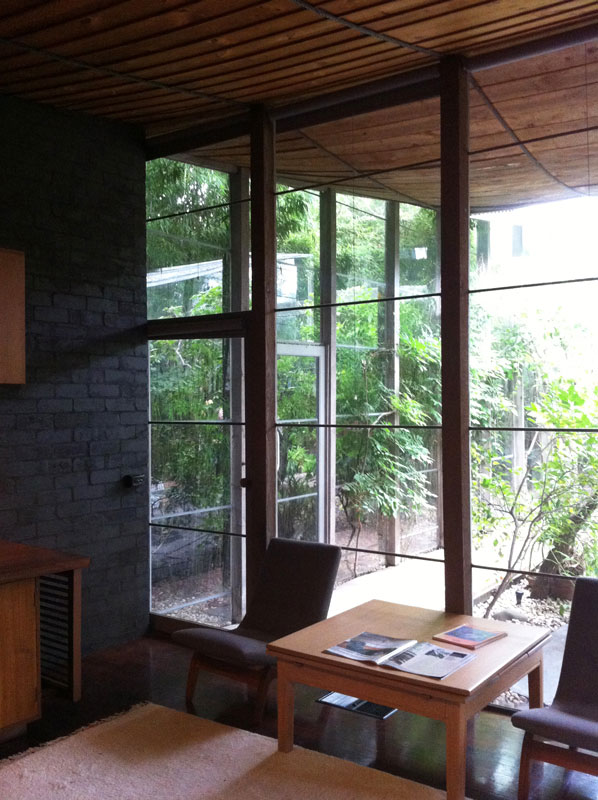
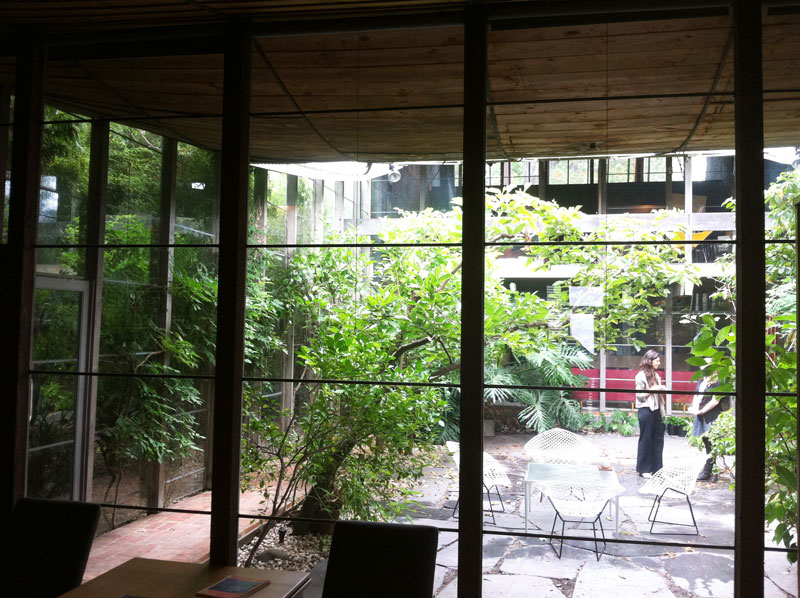
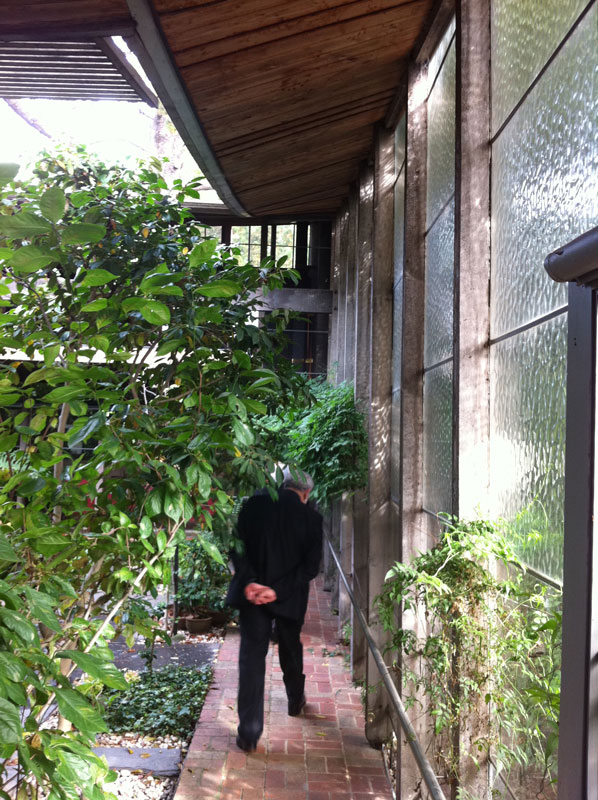
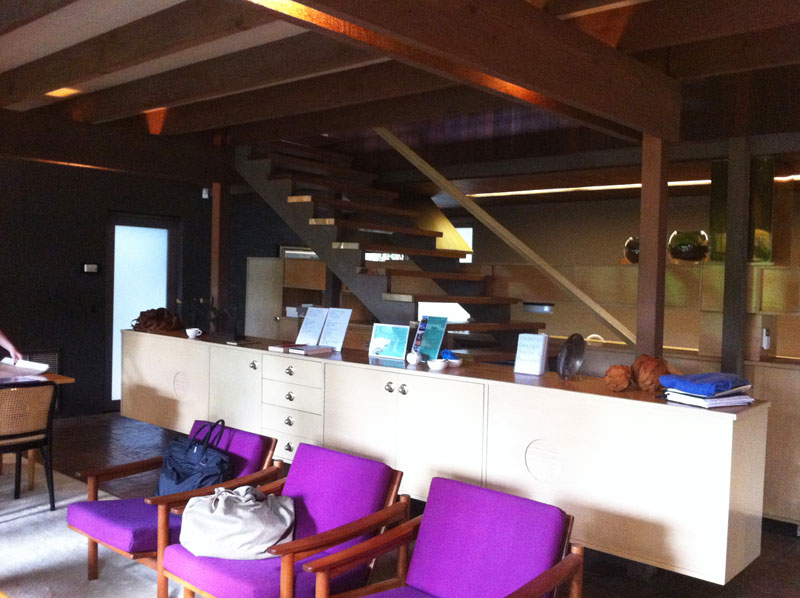
Walsh Street House
Images taken from this very excellent Flickr Pool and Nader Tehrani.


Comments Off on Robin Boyd


How do you reach a hard-to-reach place? Ropes, nets, buckets or trusses.
Comments Off on Accessibility, Redefined